Blood Sugar Balance Tea
A grounding, earthy decoction for the hollow, shaky four o'clock feeling. This warming blend of Ceylon cinnamon and fenugreek offers a gentle hand on the wheel, steadying the invisible rollercoaster of a blood sugar crash.


It happens at four in the afternoon, almost like clockwork. The quiet hum of the day suddenly gives way to a hollow, urgent kind of hunger—the kind that sends you rummaging through the pantry for anything sweet, anything salty, anything right now. Your hands might feel a little unsteady, your focus entirely shattered. You tell yourself it is just a lack of willpower, or perhaps that you did not sleep enough the night before. But the truth is far more mechanical, and far less personal. Your body is simply riding the invisible, exhausting rollercoaster of a blood sugar crash, and it is asking you for a lifeline.
We spend so much time talking about our hormones as if they exist in a vacuum, floating somewhere in the ether of our bodies, dictating our moods and our cycles. But the quiet foundation under all of it—under the energy crashes, the unpredictable periods, the perimenopausal shifts, and the heavy fatigue—is often just blood sugar. When we eat, especially foods that our bodies break down quickly, our blood sugar rises. In response, our bodies release insulin to carry that sugar into our cells for energy. It is a beautiful, elegant system. But when the rise is too sharp, the release of insulin is equally dramatic, sweeping the sugar away so quickly that we are left plummeting into that hollow, shaky four o'clock feeling.
Over time, this constant spiking and crashing does more than just make us tired. It asks our bodies to live in a state of quiet emergency. It demands cortisol, our stress hormone, to help bring our blood sugar back up. It shifts the delicate balance of estrogen and progesterone. For women navigating the shifting terrain of perimenopause, or those managing the complex web of PCOS, this instability can amplify every other symptom. The hot flashes feel hotter, the exhaustion feels heavier, and the brain fog becomes a thick, unyielding blanket. The herbs your body already knows can help steady this rhythm, offering a gentle hand on the wheel rather than a sudden slam on the brakes.
This tea is built around that gentle steadying. It is not a quick fix for a sugar craving, but a slow, daily practice of building resilience. We reach for herbs that have been valued for centuries for their ability to support the body's natural metabolic rhythms. They do not force the body into submission; rather, they remind it of its own inherent balance. When you sip this blend, you are offering your system a quiet, grounding support, a way to smooth out the sharp edges of the day and find a more sustained, reliable source of energy.
The Ritual
This is a tea for the transitional moments of your day. It is best woven into your routine just before or just after a meal, particularly the meal that tends to leave you feeling the most unsteady afterward. For many women, this is lunch, making this blend the perfect companion for the early afternoon, right before the four o'clock crash has a chance to take hold.
The preparation itself is a grounding practice. Because we are working with roots and seeds—the dense, heavy parts of the plants—this is a decoction rather than a simple infusion. It requires a gentle simmer, a little bit of time, and the patience to let the water extract the deep, earthy medicine hidden within. As it simmers on the stove, the kitchen will fill with the warm, spiced scent of cinnamon and the slightly maple-like aroma of fenugreek. It is a scent that feels like a warm kitchen on a cold day, deeply comforting and entirely unhurried.
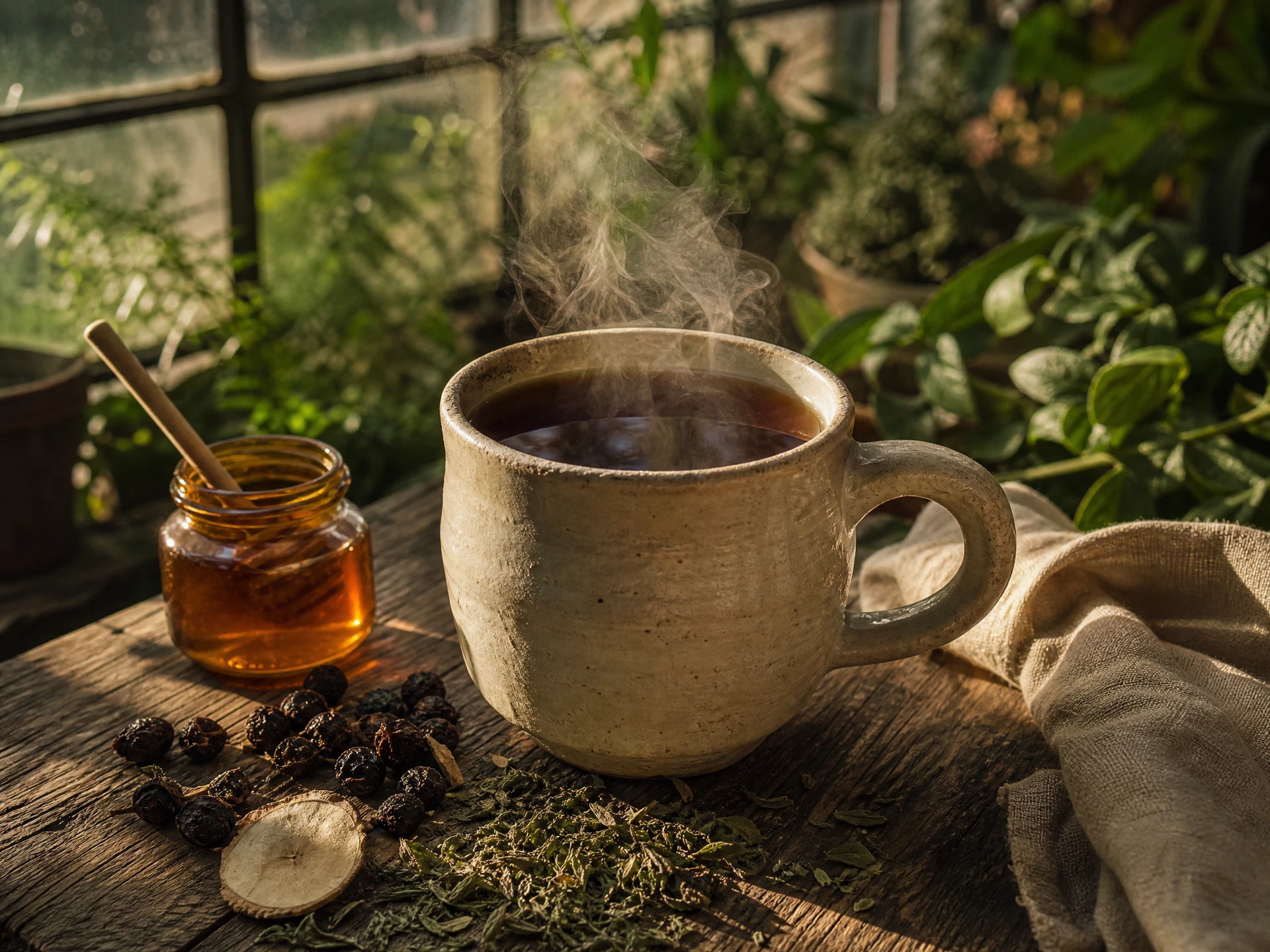
Pour it into a heavy ceramic mug, something that feels substantial in your hands. Drink it slowly, letting the warmth settle into your center. Some women find that drinking a cup of this tea daily for a few weeks helps them feel more anchored, less at the mercy of their cravings, and more present in their own bodies. It is a quiet ritual of reclamation, a way of telling your body that it is safe, that it is nourished, and that it does not need to panic.
Making It Yours
The beauty of a daily herbal practice is that it can, and should, be adapted to fit the unique landscape of your own body and palate. This blend is earthy, slightly bitter, and deeply warming, but there is always room for adjustment.
The cinnamon is the heart of the flavor profile, but it is vital to choose the right kind. You must seek out true Ceylon cinnamon, rather than the more common Cassia cinnamon found in most grocery store baking aisles. Cassia contains higher levels of coumarin, a compound that can be hard on the liver when consumed in large, daily amounts. Ceylon cinnamon is sweeter, more delicate, and perfectly suited for a daily tonic. If you cannot find Ceylon cinnamon sticks, you can use a teaspoon of the powdered bark, though the resulting tea will be a bit cloudier.
Fenugreek brings a wonderful, grounding bitterness and a fascinating side effect: as your body processes it, you may notice that your skin takes on the faint, sweet scent of maple syrup. It is a charming, true detail of working with this seed, a reminder that the plants we take in become a part of us. If the bitterness of the gymnema and dandelion root is too sharp for your liking, the optional licorice root is a wonderful addition. It offers a deep, lingering sweetness that coats the throat and rounds out the harsher edges of the other herbs. However, licorice is a powerful plant and should be used with respect; if you tend to run warm, or if you simply prefer a more savory brew, you can leave it out entirely and perhaps stir in a small spoonful of raw honey once the tea has cooled slightly.
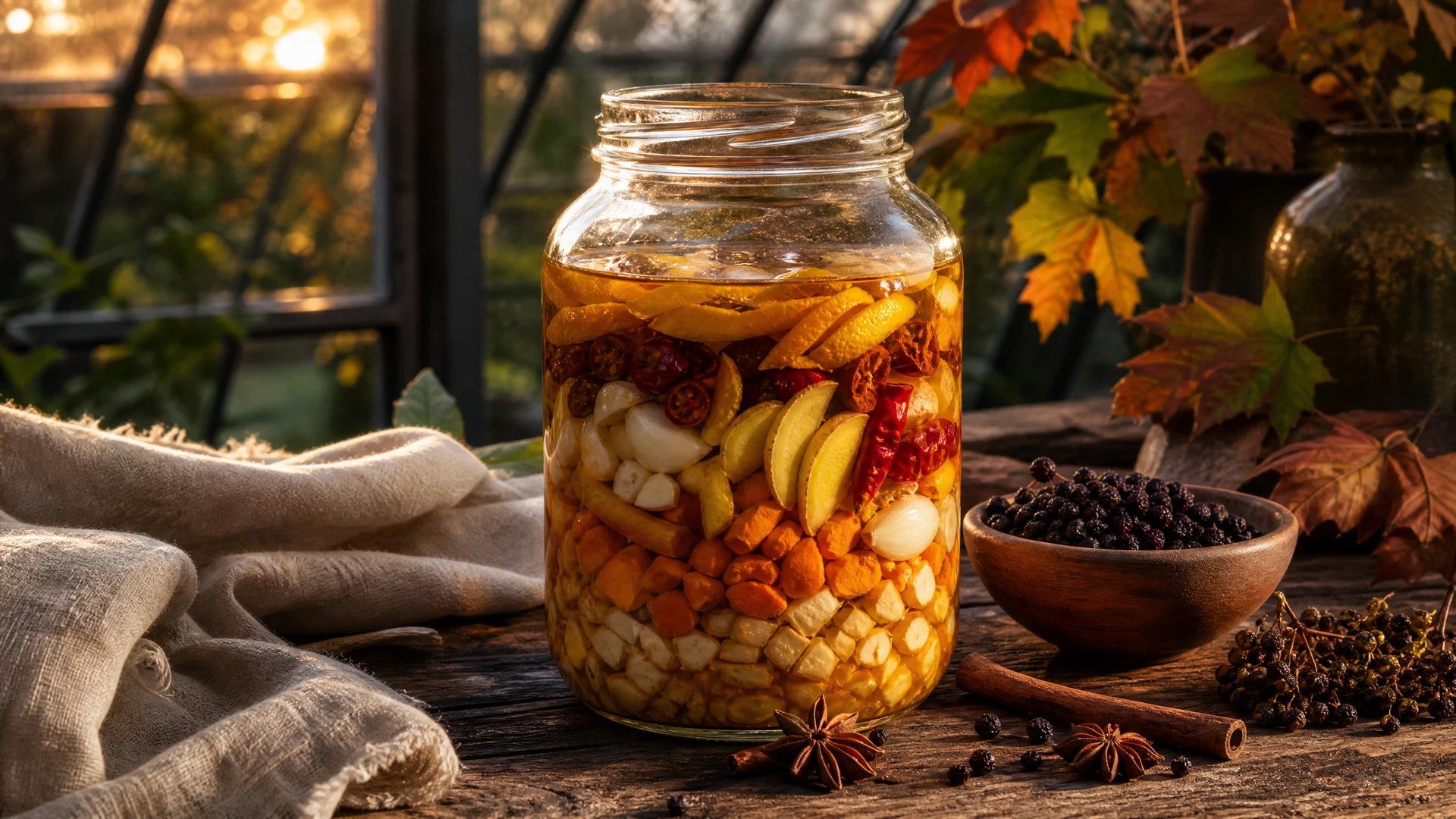
If you find yourself reaching for this blend often, you can easily scale the dry ingredients to make a larger batch. Mix a cup of the dandelion root, half a cup of the fenugreek seeds, half a cup of the gymnema leaf, and a handful of crushed cinnamon sticks in a glass jar. Keep it in a dark cupboard, and simply scoop out a heaping tablespoon whenever you need to simmer a cup.
Best for
The recipe
Blood Sugar Balance Tea
What you'll need
1 stick Ceylon cinnamon
Must be true Ceylon, not Cassia
1 teaspoon Dried fenugreek seed
Whole seeds, lightly crushed
1 teaspoon Dried gymnema leaf
Loose leaf
1 tablespoon Roasted dandelion root
Chopped or cut-and-sifted
1/2 teaspoon Dried licorice root
Optional, for sweetness
How to make it
- 1
Place the Ceylon cinnamon stick, crushed fenugreek seeds, and roasted dandelion root into a small saucepan.
- 2
Pour in two cups of cold water and bring the mixture to a gentle, rolling boil.
- 3
Reduce the heat to low, cover the pan, and let the roots and seeds simmer quietly for ten minutes.
- 4
Remove the pan from the heat and stir in the gymnema leaf and the optional licorice root.
- 5
Cover again and let the herbs steep off the heat for another five minutes.
- 6
Strain the deep, amber liquid into a heavy mug, breathing in the warm, maple-spiced steam before your first sip.
The reasoning
Why This Works
Gymnema leaf has been valued for centuries in Ayurvedic tradition, where its name translates to "destroyer of sugar." Herbalists have long reached for it to help dull the palate's perception of sweetness and support the body's natural metabolic rhythms, offering a steadying influence when cravings feel overwhelming.
Fenugreek seed is a deeply warming, grounding plant that tradition holds can help slow the absorption of carbohydrates. It brings a robust, slightly bitter depth to the cup, working alongside the body's own elegant systems to maintain a more even keel throughout the day.
Dandelion root provides a sturdy, earthy base for the blend, traditionally used to support the liver—the body's quiet, hardworking metabolic center. Ceylon cinnamon adds a delicate, comforting sweetness while being widely respected in folk practice for its ability to encourage a balanced, sustained release of energy.
Before You Brew This
This blend requires deep respect and careful attention. If you are taking insulin or any blood sugar-lowering medication, you must involve your prescriber before drinking this tea, as these herbs can compound the effects of your medication and cause hypoglycemia (dangerously low blood sugar). Gymnema and fenugreek should be avoided during pregnancy. If you choose to include the optional licorice root, please note that it is contraindicated for those with high blood pressure, heart conditions, or kidney issues, and should not be taken with potassium-depleting diuretics. We always encourage you to share your herbal practices with your trusted healthcare provider to ensure they align with your unique needs.
Want more like this?
Pull up a chair.
Start with our free guide, 7 Tonics Every Woman Should Know, then a letter each week — recipes, plant wisdom, and what we're brewing as the season turns.
Coming, eventually
Blood Sugar Balance Tea, pre-blended
One day this will come measured out in a tin, from us. It doesn't yet. Tell us where to write when it does.