 teas
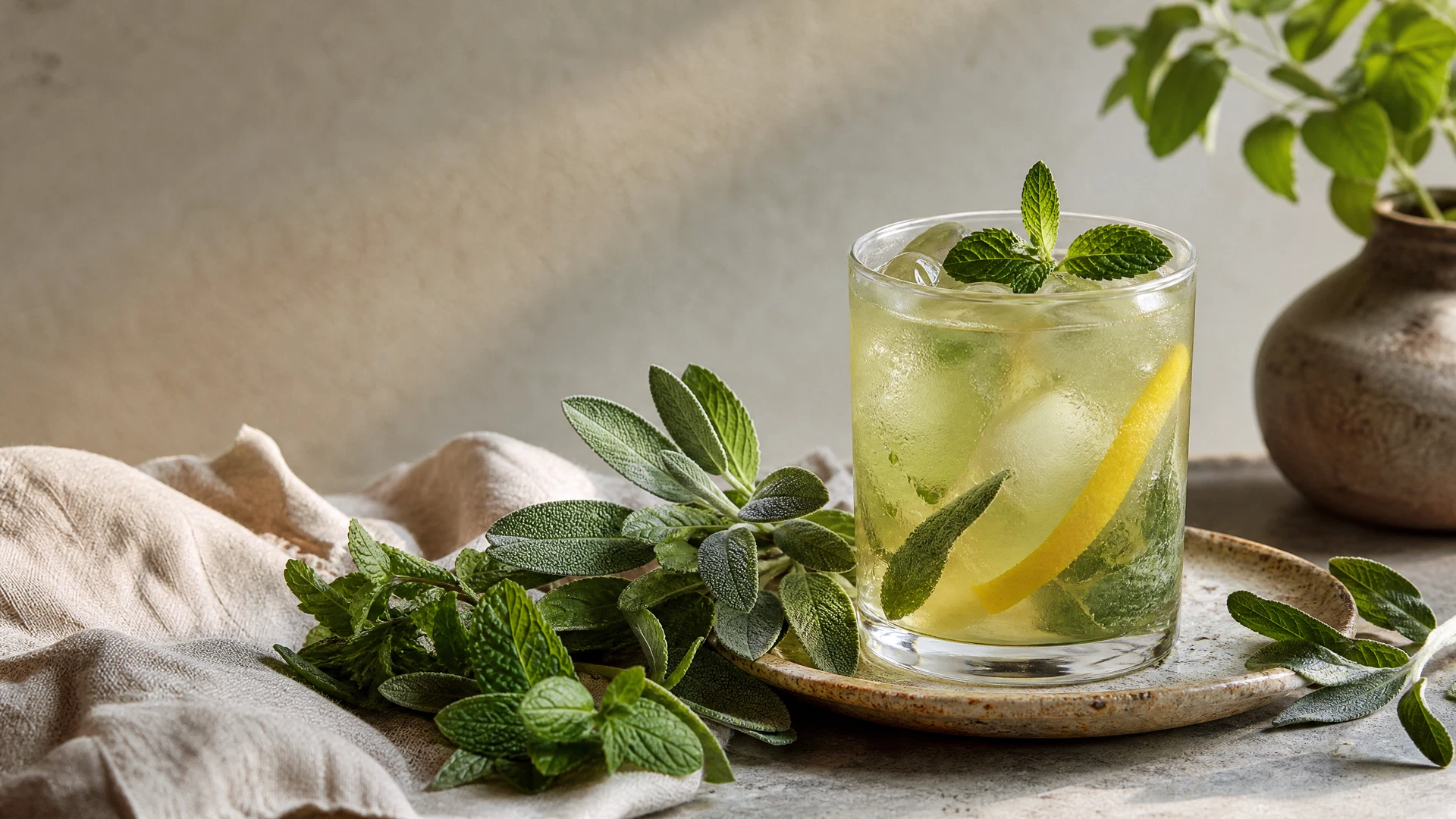
teasCooling Sage & Mint Tea
For the meeting where the heat rises before you can excuse yourself. Sage, spearmint, and lemon balm turn into a cool, green cup that is as good over ice as it is warm.
Perimenopause 12 minutes
The earth already made the medicine
First, the truth
The phrase "hormone balance" has been hollowed out. It has been stamped onto supplement bottles, sold as a quick fix, and packaged as a promise that if you just take this one pill, everything will fall perfectly into place. But your body is not a machine with a broken part, and your hormones are not a single dial waiting to be turned.
Hormones are a conversation. They are the chemical language your body uses to understand the world and respond to it. Your brain whispers to your ovaries, your thyroid checks in with your metabolism, your adrenal glands monitor your stress, and your gut processes the aftermath. When you feel like a stranger in your own skin—when the exhaustion is heavier than usual, when your cycle shifts, when the night sweats arrive—it is not because your body is failing you. It is because the conversation has become strained. Your body is trying to adapt to the environment you have placed it in, and it is asking for a different kind of support.
If you are experiencing severe or persistent symptoms—like the deep, unyielding pain of endometriosis, the complex metabolic shifts of PCOS, signs of thyroid disease, heavy bleeding that leads to anemia, or anxiety that feels impossible to carry—these are signals that warrant real medical investigation. A thyroid panel or an iron panel exists for a reason. We encourage you to involve a trusted clinician in your care. Herbs are a beautiful ally, but they are not a substitute for understanding exactly what is happening beneath the surface.
The phrase "hormone balance" has been hollowed out. It has been stamped onto supplement bottles, sold as a quick fix, and packaged as a promise that if you just take this one pill, everything will fall perfectly into place. But your body is not a machine with a broken part, and your hormones are not a single dial waiting to be turned.
Hormones are a conversation. They are the chemical language your body uses to understand the world and respond to it. Your brain whispers to your ovaries, your thyroid checks in with your metabolism, your adrenal glands monitor your stress, and your gut processes the aftermath. When you feel like a stranger in your own skin—when the exhaustion is heavier than usual, when your cycle shifts, when the night sweats arrive—it is not because your body is failing you. It is because the conversation has become strained. Your body is trying to adapt to the environment you have placed it in, and it is asking for a different kind of support.
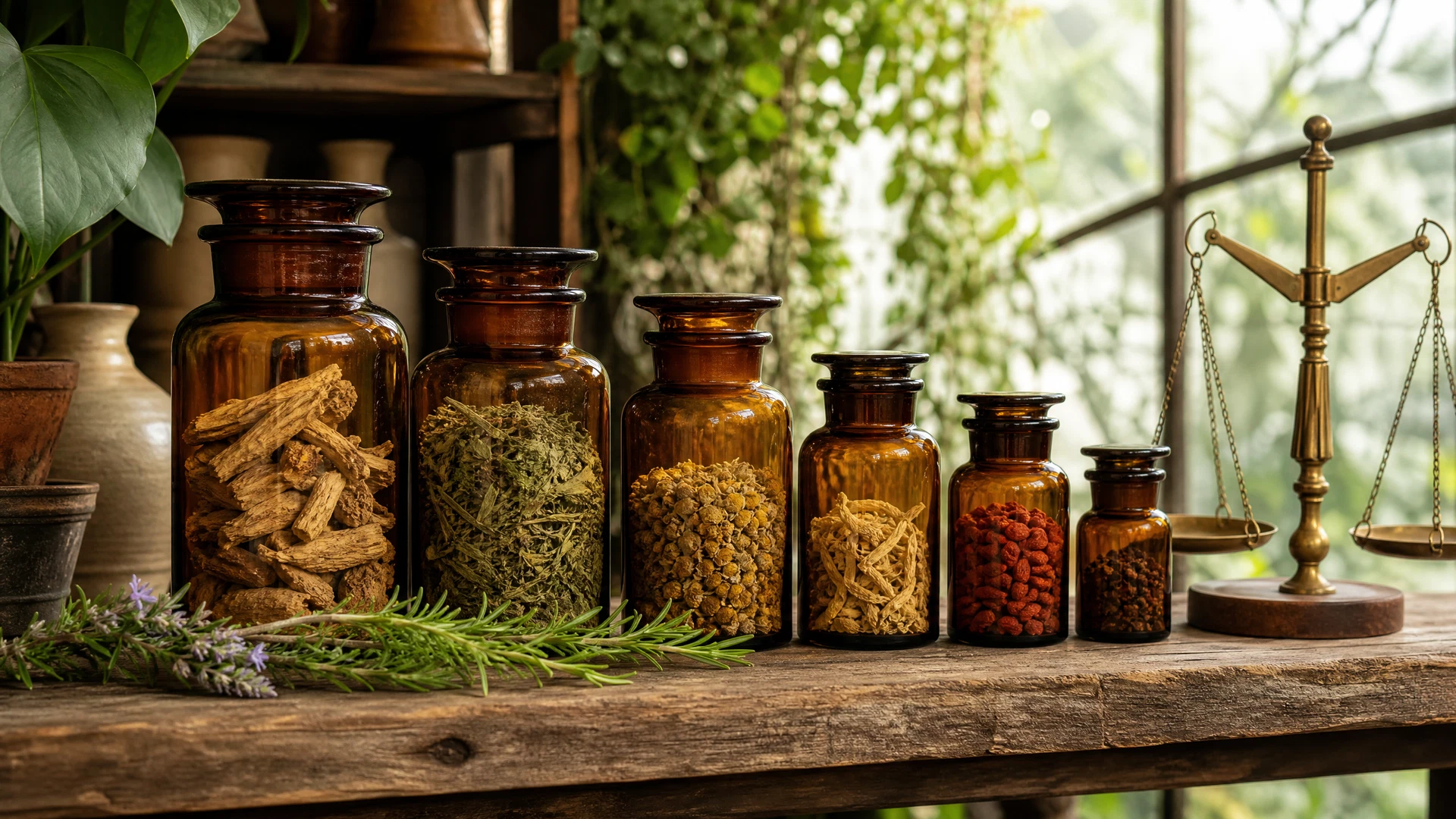
Before we even look to the apothecary shelves, we have to talk about the foundations. The truth that the wellness industry often glosses over is that the basics do more than any herb ever could. Blood sugar stability, consistent sleep, managing your stress load, replenishing your minerals, and eating actual, nourishing food—these are the non-negotiables. If you are running on caffeine and adrenaline, skipping meals, and carrying the weight of the world, no plant can out-work that exhaustion. You cannot trick your body into feeling safe. You have to actually show it safety.
This is where the tradition of herbalism steps in, not as a cure, but as an ally. When the foundations are in place, we can turn to the plants to help smooth the edges and deepen the nourishment. We look for the herbs your body already knows.
One of the most profound ways herbalists have long reached for support is through adaptogens. These are not quick fixes; they are slow herbs. They work quietly in the background, helping your nervous system and adrenal glands build resilience over time. Think of them as a deep well of reserves you can draw from when the demands of life are high. Ashwagandha, for instance, has been valued for centuries in Ayurvedic tradition for its ability to ground the nervous system and support the body's response to stress. It is the herb for the morning after you gave too much of yourself away, helping to restore a sense of calm endurance.
Similarly, Maca is a root traditionally used to support energy and vitality. It does not act like a stimulant; rather, it is deeply nourishing, offering a steady, grounded energy that many women find helpful when navigating the shifts of their cycle or the transition into perimenopause. You might find it comforting to weave these into your daily rhythm, perhaps by whisking them into an Adaptogen Morning Elixir to start your day with intention.
When we talk about the female cycle specifically, the tradition holds that certain plants have a special affinity for the reproductive system. Vitex, also known as chaste tree berry, is one of the most respected herbs in this realm. Herbalists have long reached for it to encourage a regular rhythm, particularly when the conversation between the brain and the ovaries needs a gentle nudge. It is a slow, steady plant that requires patience, often taking months of consistent use to reveal its full support.
Then there are the deep nourishers, the plants that offer a wealth of minerals and quiet strength. Red Raspberry Leaf is a cornerstone of women's herbalism. It is traditionally used to tone the tissues of the womb and provide a rich source of trace minerals. A strong infusion of this leaf is a beautiful practice to incorporate throughout the month, perhaps as part of a Moon Cycle Tonic when you need to turn inward and rest.
The beauty of herbal tea for hormone balance is that the act of making it is medicine in itself. The ritual of boiling water, steeping the leaves, and taking ten minutes to simply sit and breathe is a profound signal of safety to your nervous system. When you brew a cup of Blood Sugar Balance Tea, you are not just extracting plant compounds; you are carving out a moment of stillness in a loud world. You are telling your body that it is allowed to rest.
If you are feeling depleted, you might also explore a Hormone Reset Latte, blending warming spices and grounding roots to offer your body what it has been asking for. These are not just beverages; they are small, daily acts of reclamation.
It is important to remember that herbs for hormone balance women have relied on for generations are powerful, but they demand respect. If you are pregnant, nursing, taking hormone-altering medications, or managing a hormone-sensitive condition, it is essential to tread carefully. The plants are potent, and they interact with our bodies in complex ways. Always listen to your body, and do not hesitate to bring a knowledgeable practitioner into your circle of care.
We are not here to fix you, because you are not broken. We are here to help you remember the language your body speaks, and to offer the plants that can help translate. The earth already made the medicine. We just help you find it. Pull up a chair, pour a cup, and let's begin the slow, beautiful work of coming back to yourself.
Start here
teasFor the meeting where the heat rises before you can excuse yourself. Sage, spearmint, and lemon balm turn into a cool, green cup that is as good over ice as it is warm.
 teas
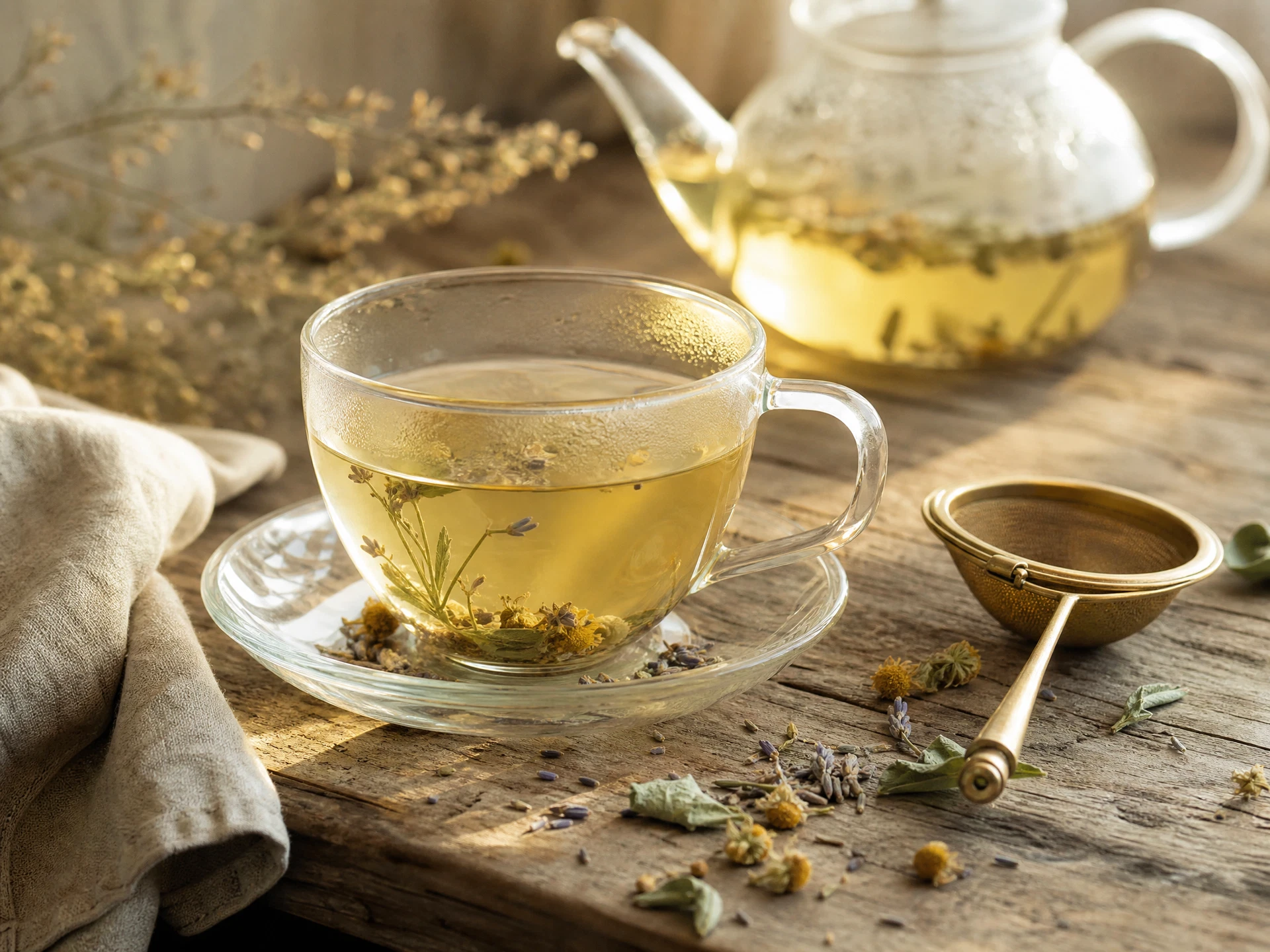
teasA cooling, grounding blend for the nights when the heat wakes you and the mind will not settle. Earthy roots and gentle flowers offer a quiet anchor in the storm of transition.
 lattes
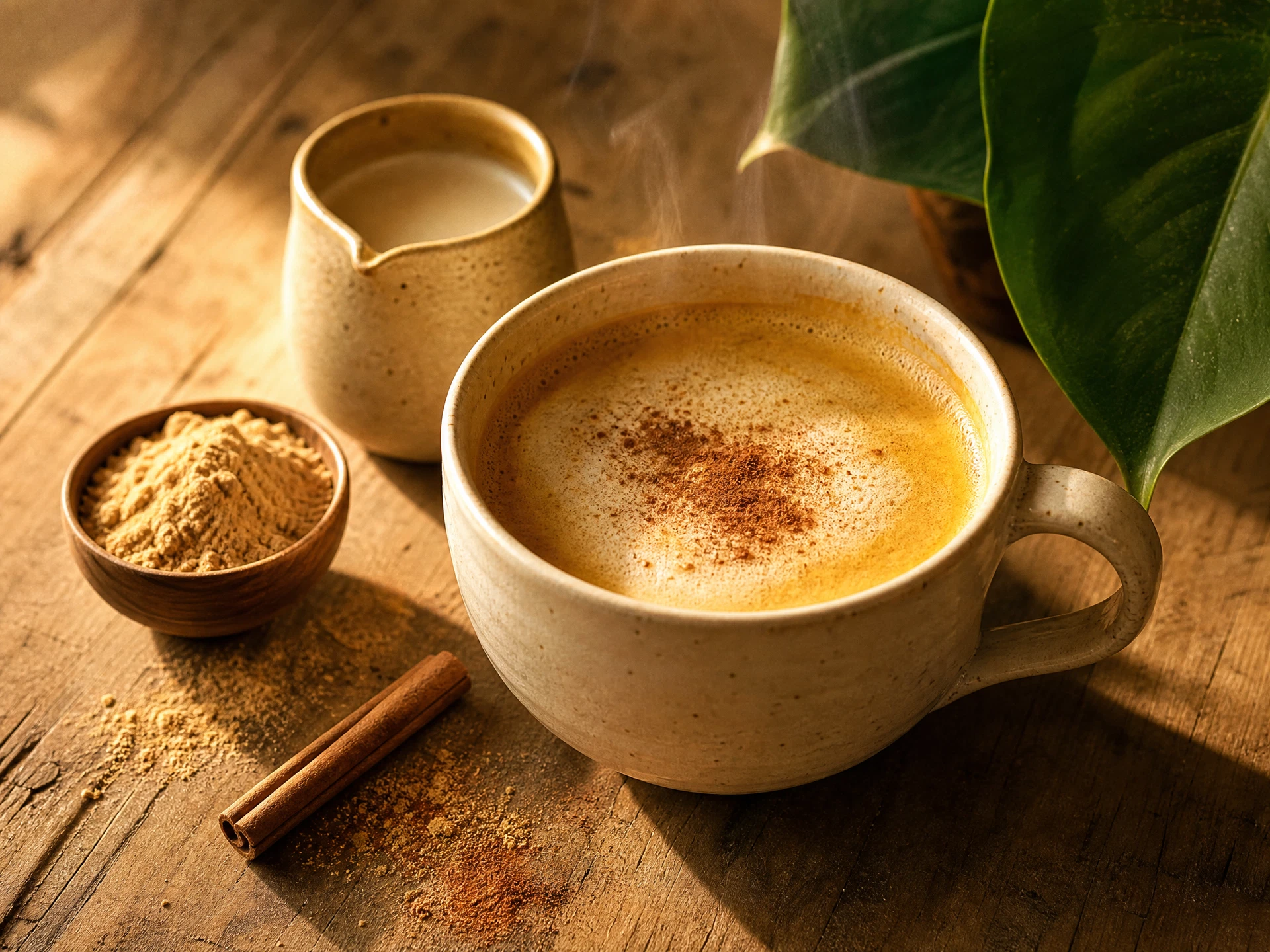
A deeply grounding evening ritual for the week before your period. Warm coconut milk, blooming turmeric, and evening primrose oil offer targeted comfort for breast tenderness and the short fuse.
 tonics
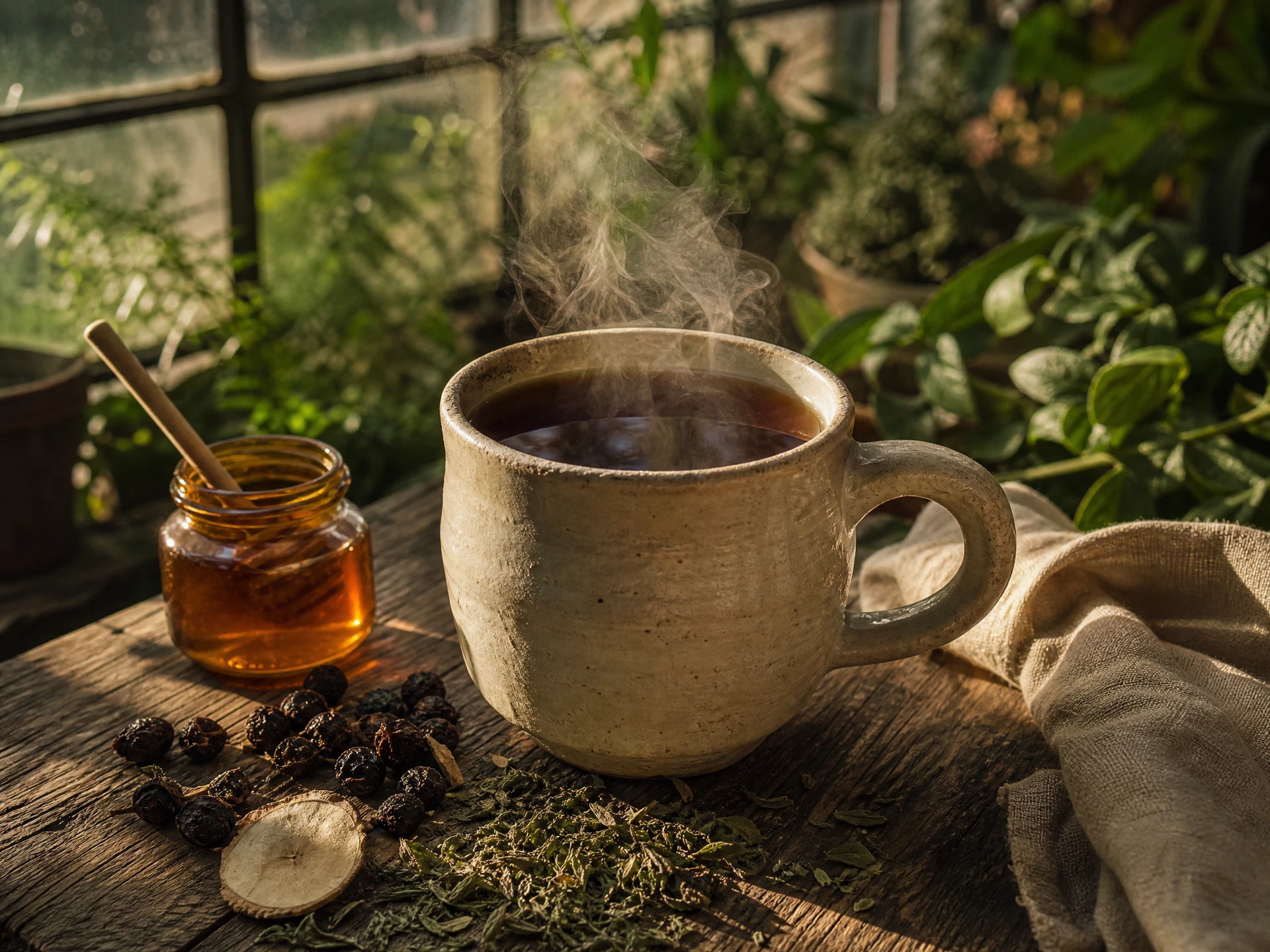
A daily grounding ritual that shifts with the rhythms of your month. Earthy seeds, warming maca, and bright berries blend into a nourishing practice of paying attention to your body's changing needs.
 elixirs
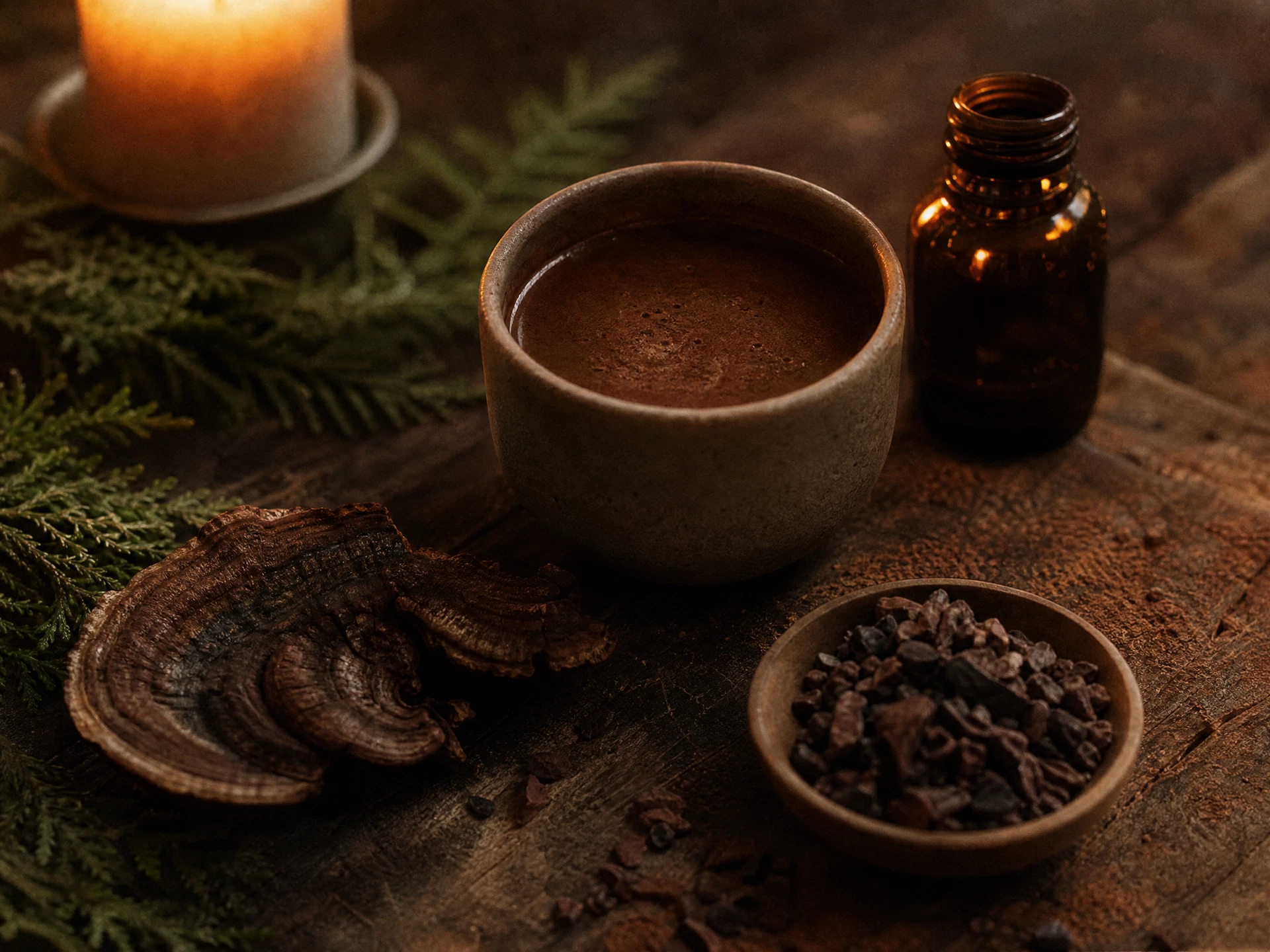
A rich, dark cup of raw cacao anchored by the deep earthiness of roots and mushrooms. The morning after you gave too much of yourself away, this is the slow-burning fire that carries you to lunch without the crash.
lattesThe daily morning ritual that replaces the second coffee. A steady, grounding blend of maca and ashwagandha to carry you through the day without the sudden drop.
Know your plants
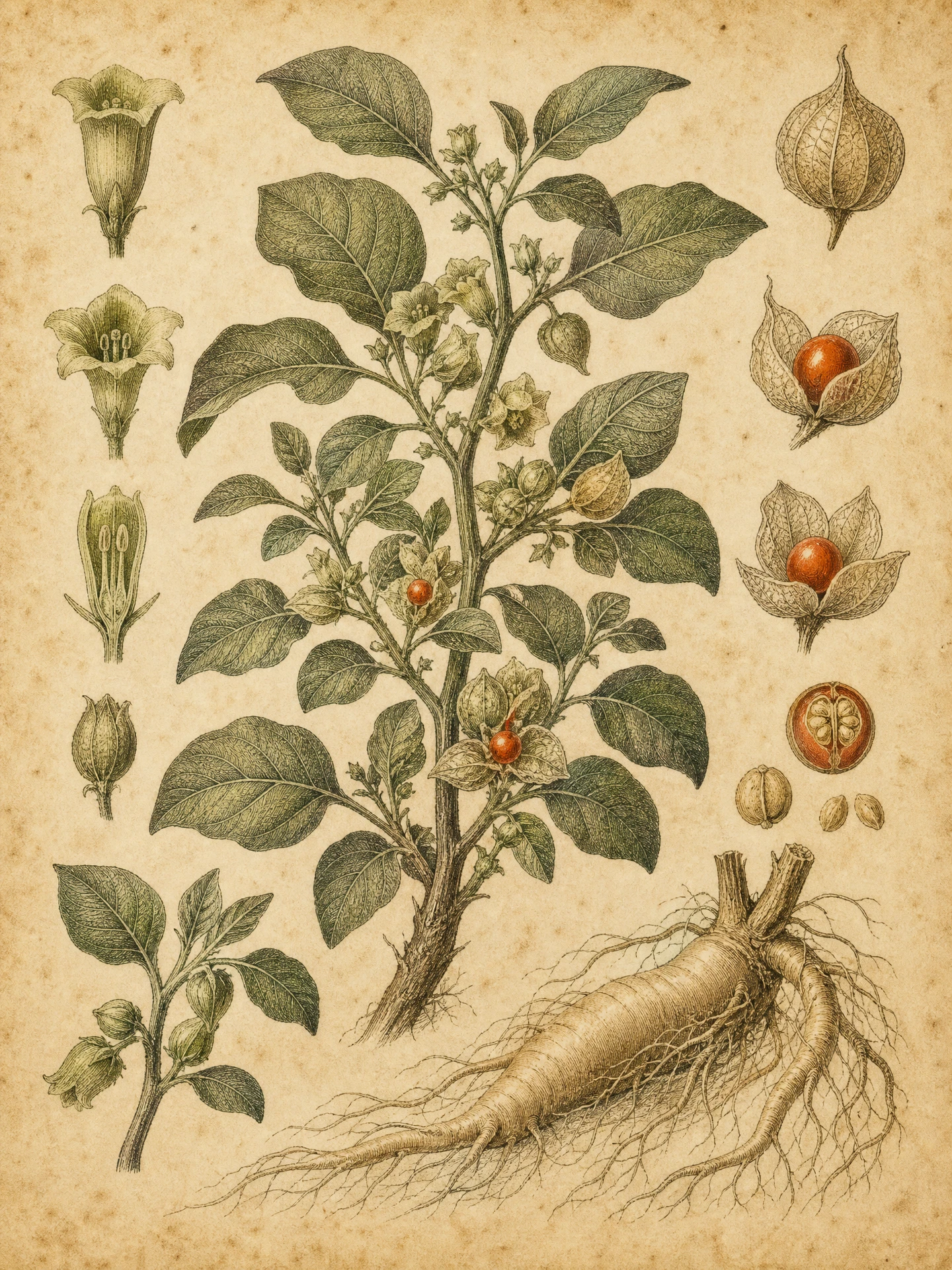
Withania somnifera
A deeply grounding adaptogenic root that helps the body find its footing when the ground feels unsteady. Traditionally used to quiet a racing mind, steady the nervous system, and restore energy that has been drained by chronic stress.
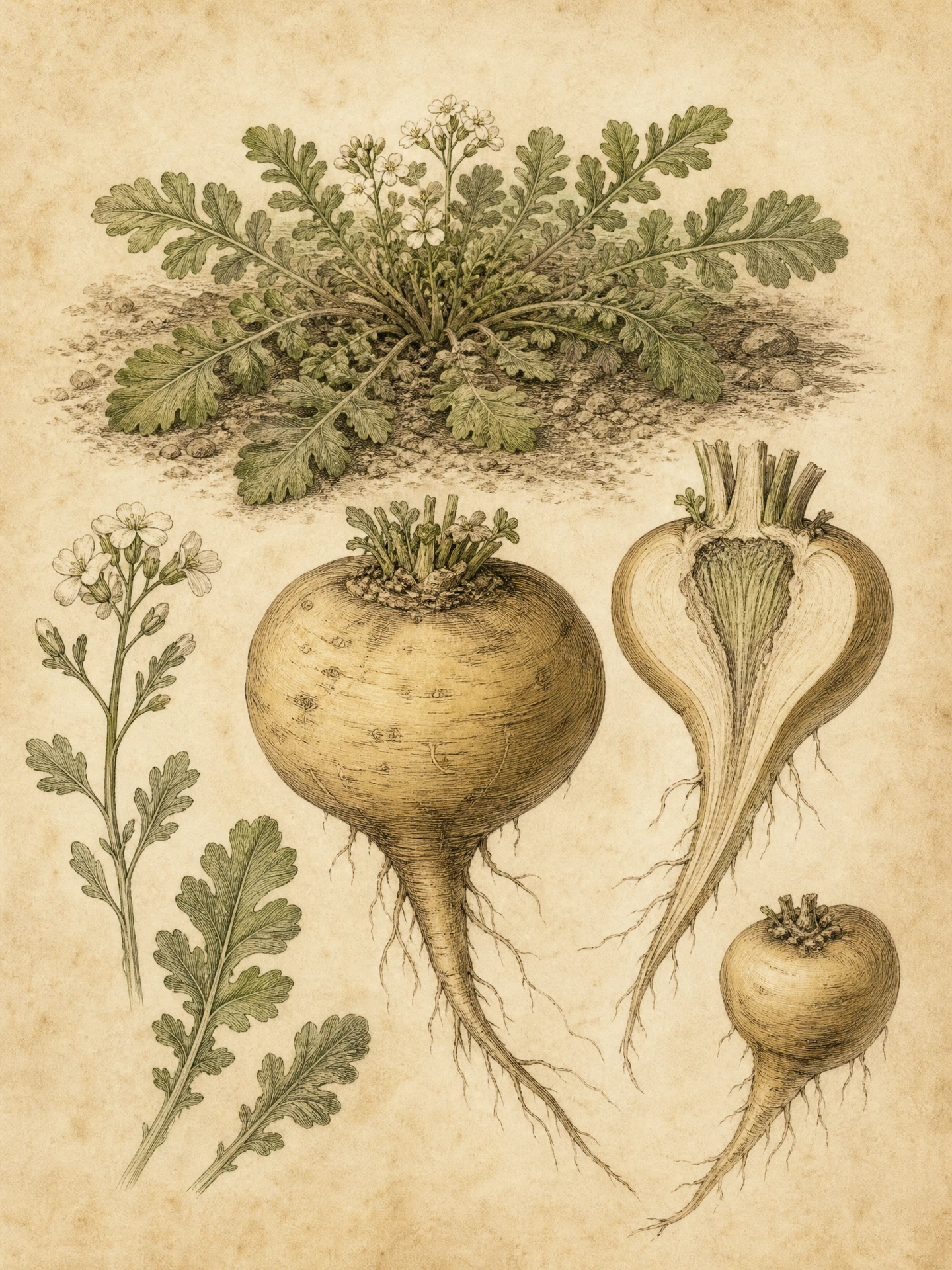
Lepidium meyenii
A resilient cruciferous root from the high Andes, traditionally cooked to nourish vitality and endurance. Maca is a slow, cumulative food that herbalists reach for to support steady energy, libido, and hormonal balance, particularly during the shifts of perimenopause.
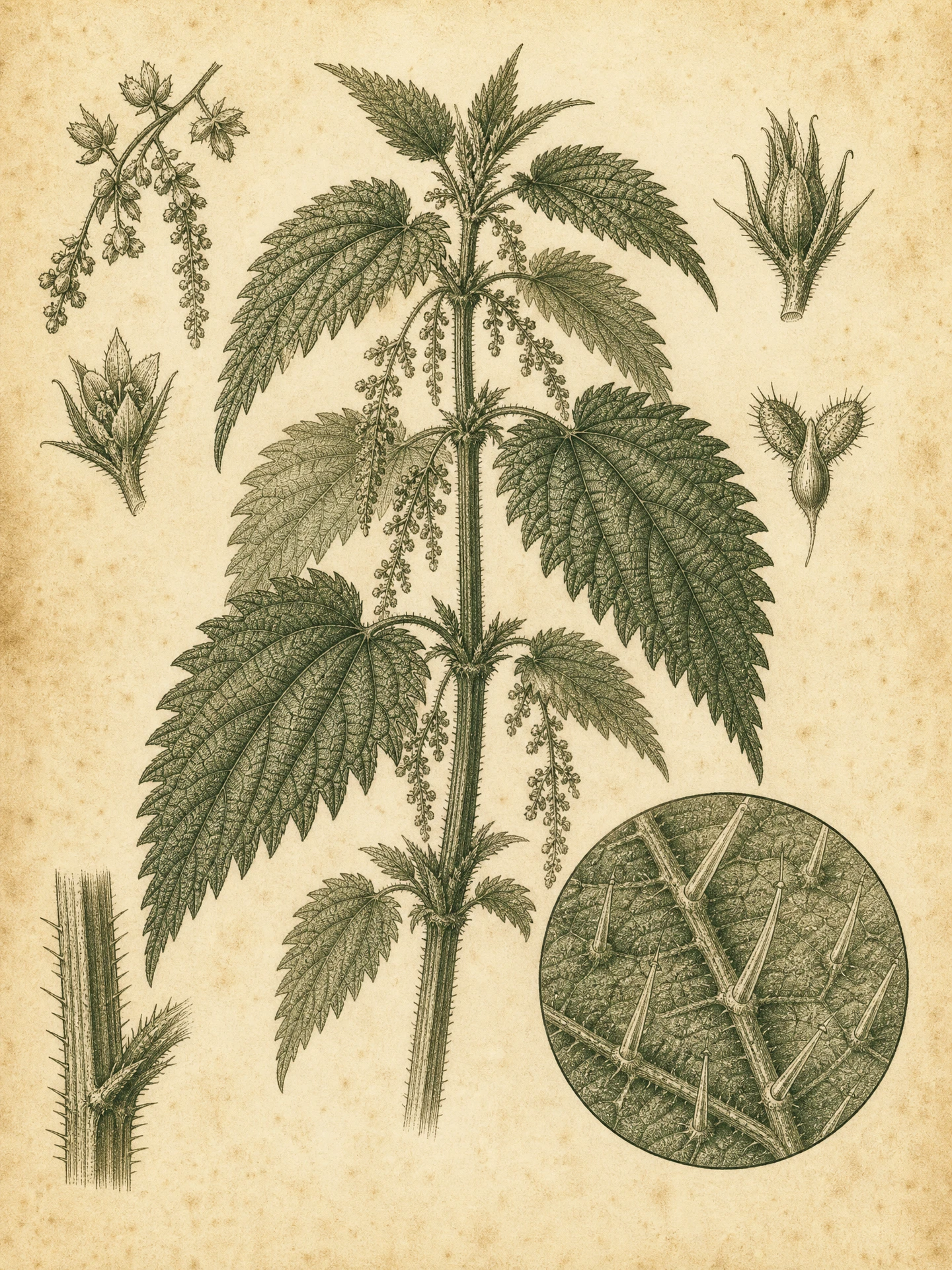
Urtica dioica
The least glamorous and most useful herb in the apothecary. A deeply nourishing, mineral-rich tonic traditionally used to replenish energy, support healthy hair and skin, and rebuild the body from the ground up.
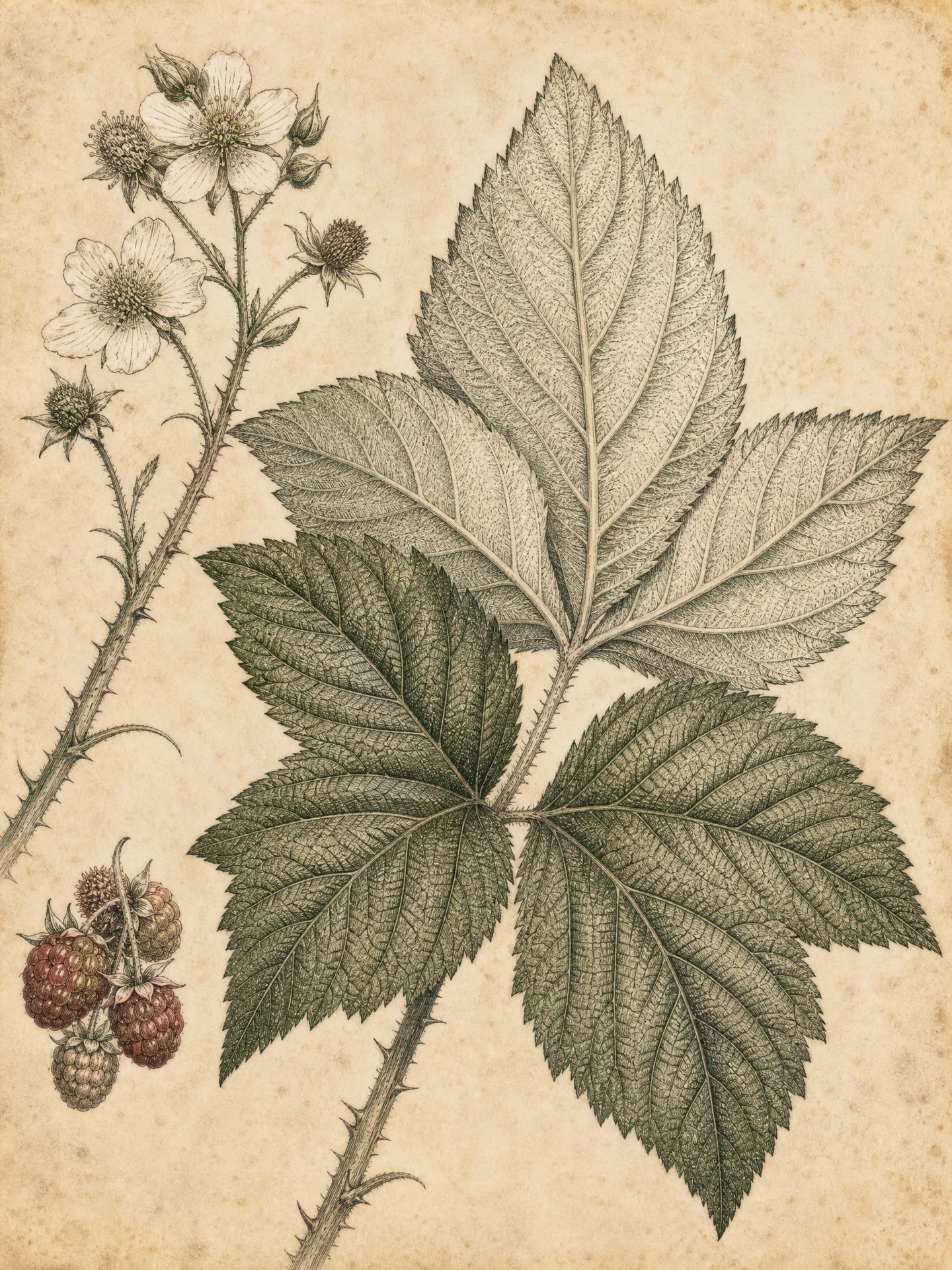
Rubus idaeus
A humble hedgerow leaf that brews into a robust, earthy tea, long revered as the ultimate tonic for the female body. It offers gentle, cumulative nourishment to tone the womb and support the natural rhythms of your cycle.
Read further
guides
A genuinely useful, opinionated stocking list of ten herbs for perimenopause, organized by what they are for rather than alphabetically. We will talk about what each one is traditionally reached for, how to bring it into your home, roughly what it costs, and when you should leave it on the shelf.
11 minute read
guides
Women are taught to treat menstruation as a malfunction to be managed. But your cycle is actually one of the few real-time readouts of overall health that a body offers for free.
8 minute read
From our shelf
Teabloom
Watching an infusion change color is half the ritual. Glass also tells you honestly when your herbs are past their prime.
Mountain Rose Herbs
Mountain Rose tests every lot and publishes the results. Their ashwagandha actually smells like ashwagandha — earthy and a little horsey — which is how you know it isn't cut with filler.
Traditional Medicinals
For travel, or for the days when measuring loose herbs is beyond you. Traditional Medicinals holds their raw material to a pharmacopoeial standard, which almost no tea company does.
Storey Publishing
If you buy one herb book, buy this one. Gladstar writes the way we hope to: warmly, practically, and without ever talking down to you.
Coming, eventually
A gentle everyday adaptogen and mineral blend for the long game. We reach for this when the foundations are steady but the edges need smoothing.