guides
The Perimenopause Pantry: 10 Herbs to Stock Now
A genuinely useful, opinionated stocking list of ten herbs for perimenopause, organized by what they are for rather than alphabetically. We will talk about what each one is traditionally reached for, how to bring it into your home, roughly what it costs, and when you should leave it on the shelf.
You are thirty-nine, or forty-two, or forty-six. You are sitting on the edge of the bed at three in the morning, staring at the ceiling, wondering why your heart is racing and why the sheets are suddenly damp. You are standing in the kitchen, gripping the edge of the counter, suddenly overtaken by a rage so profound and untethered that it frightens you. You sit in the fluorescent light of a clinic, explaining the exhaustion that sleep does not fix, the periods that arrive like floods or vanish for months, the feeling that you have been hollowed out and rewired. And the doctor looks at your chart, smiles gently, and says, "Your labs are normal. You're too young for that."
But you are not too young, and your body is not lying to you. You have arrived at the threshold of perimenopause, the great, unmapped transition that can begin a full decade before your periods actually stop. It is a profound shift, a dismantling of the hormonal architecture you have lived in for decades. And yet, so many of us arrive here entirely without warning, handed nothing but a pamphlet and a suggestion to try yoga or manage our stress.
This is not a space where we pretend that deep breathing is enough for a hot flash that feels like a furnace, or that a cup of chamomile will cure a systemic hormonal shift. If your symptoms are severe, if they are stealing your life, hormone therapy is a legitimate, vital conversation to have with a clinician. The herbs we gather here are not positioned against medical care. They are the daily tending, the quiet, steady support that herbalists have reached for across centuries to help women navigate this crossing.
This is your perimenopause pantry. It is a genuinely useful, opinionated stocking list of ten perimenopause herbal remedies, organized not by their Latin names, but by the very real things you are asking them to hold. We will talk about what each one is traditionally reached for, how to bring it into your home, roughly what it costs, and—crucially—when you should leave it on the shelf.
For the Three A.M. Ceiling
The sleep of perimenopause is often brittle and unyielding. You fall asleep exhausted, only to wake precisely at three in the morning, your mind suddenly sharp and racing, your body humming with an anxious, vibrating energy. This is not insomnia born of a late cup of coffee; this is the nervous system asking to be held as the hormonal tides shift beneath it.
1. Reishi
When the exhaustion is bone-deep but the mind refuses to quiet, herbalists have long reached for reishi. This is not a sedative that will knock you out or leave you groggy the next day; it is a deeply grounding mushroom, traditionally used to support the body's resilience to stress over time. It feels like a heavy, comforting blanket for a frayed nervous system. Many women find that steady, daily use helps them sleep more deeply and wake feeling less hollowed out by the demands of the day.
How to buy it: Look for dual-extracted reishi powders or tinctures from reputable mushroom foragers or growers. You want the fruiting body, not just the mycelium grown on grain. Expect to pay around $30 to $40 for a month's supply of a high-quality extract. How to use it: It has a bitter, earthy taste that pairs beautifully with rich flavors like cacao. Whisk a spoonful into a deep sleep reishi cocoa an hour before bed as a winding-down ritual. When to skip it: If you are on blood thinners, blood pressure medication, or immunosuppressants, reishi is not for you.
2. Passionflower
If reishi is the heavy blanket, passionflower is the hand on your shoulder telling you it is safe to rest. When you are lying awake, your thoughts looping endlessly over the same anxieties, passionflower is traditionally used to quiet the mental chatter. It is the herb for the mind that cannot turn off, the circular thinking that keeps you trapped in the dark while the rest of the house sleeps.
How to buy it: Dried passionflower leaf and flower is inexpensive and easy to find from reputable herb suppliers. A large bag of loose leaf should cost around $15. Tinctures are also excellent and usually run about $15 to $20. How to use it: Steep a strong infusion—a tablespoon of dried herb in a cup of hot water, covered for fifteen minutes. Drink it when you feel the evening anxiety rising, or keep a tincture by the bed for when you wake in the night and need to settle back down. When to skip it: Do not use passionflower if you are pregnant, or if you are taking prescription sedatives or MAO inhibitors, as it can significantly amplify their effects.
3. Ashwagandha
Sometimes the sleep disruption is driven by a nervous system that has been running on adrenaline for far too long. Ashwagandha is an adaptogen, a root traditionally used to support the body's ability to process stress and regulate its own rhythms. It is for the woman who feels both wired and tired, whose cortisol rhythm has lost its way and forgotten how to power down at night.
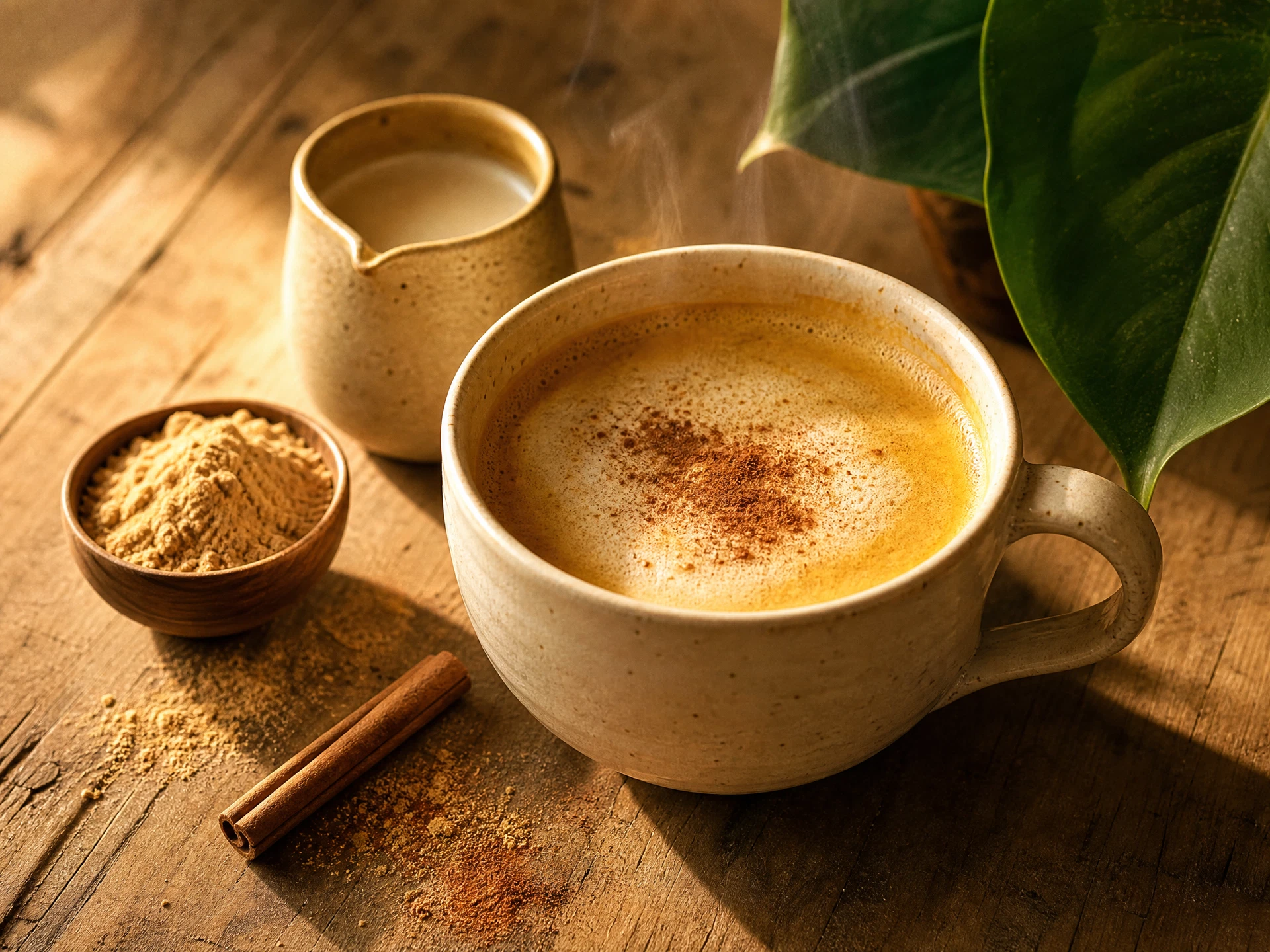
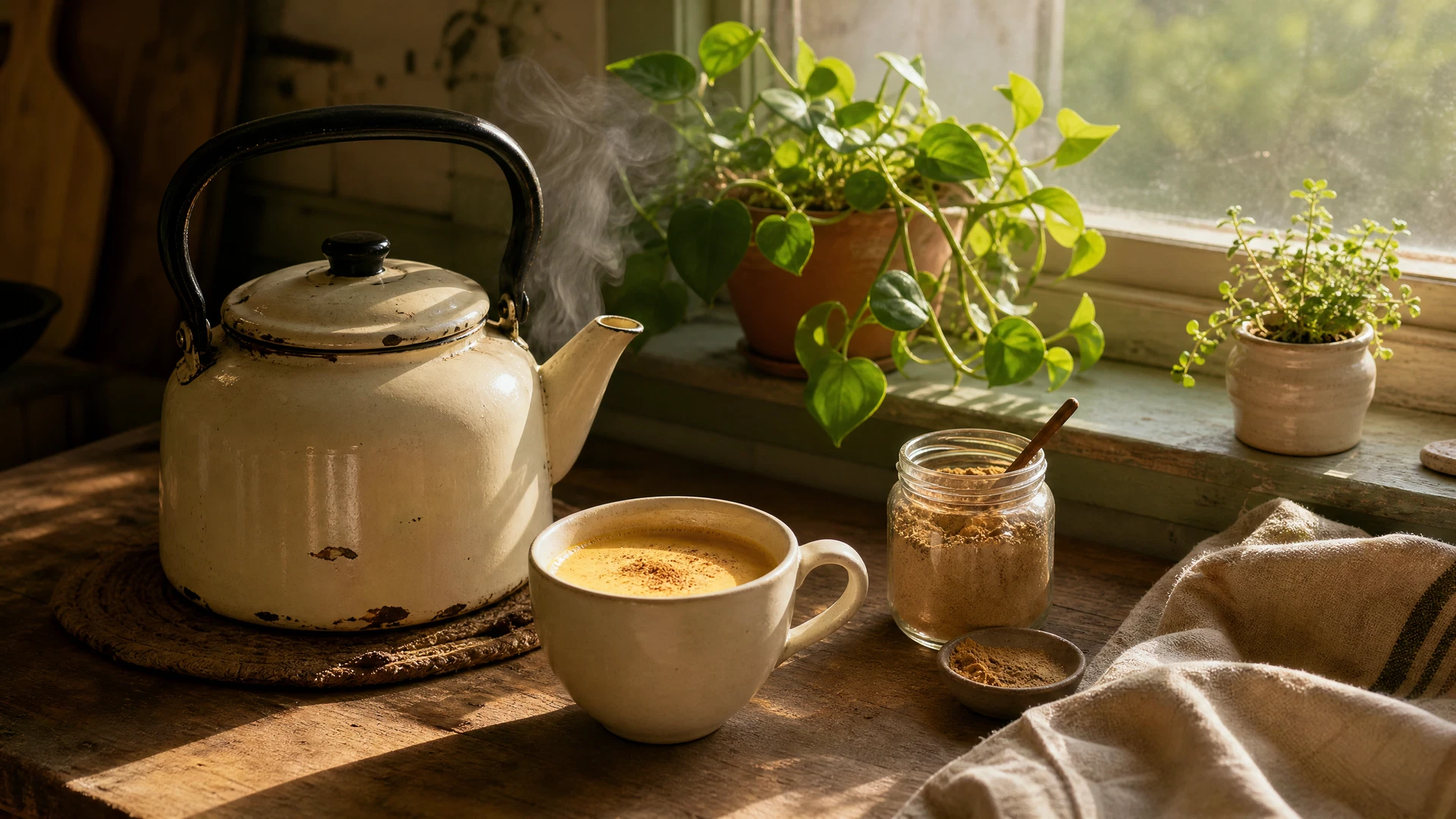
How to buy it: Ashwagandha root powder is widely available and affordable, often around $15 for a jar. Tinctures and capsules are also common, though the powder allows for traditional preparation. How to use it: The powder is traditionally simmered in warm milk with a little honey, cinnamon, and cardamom. It is a comforting, earthy evening ritual that signals to the body that the day's labor is done. When to skip it: Ashwagandha is a member of the nightshade family; if you are sensitive to nightshades, avoid it. It can also stimulate the thyroid, so if you have hyperthyroidism or are on thyroid medication, leave this one alone.
For the Heat and the Rage
The temperature shifts of perimenopause are not just physical; they are intensely emotional. The sudden, overwhelming heat of a hot flash is often mirrored by a sudden, overwhelming surge of irritability or rage. These herbs are traditionally reached for to cool the system, both literally and metaphorically, when you feel like you are burning up from the inside out.
4. Black Cohosh
Black cohosh is perhaps the most famous of the herbs for perimenopause, and for good reason. When the hot flashes are intense, frequent, and accompanied by a dark, brooding mood or a feeling of being trapped in your own skin, this is the root herbalists have historically turned to. It is a powerful plant, and it demands respect and careful use.
How to buy it: Tinctures are the most reliable way to work with black cohosh, allowing for precise, drop-by-drop dosing. A quality tincture will cost around $15 to $20. How to use it: This is not an herb for casual tea. It is used in small, measured doses, often just a few drops of tincture at a time. Crucially, traditional practice holds that black cohosh is for limited duration use—typically no more than six months at a time. It is a bridge to help you cross a difficult span, not a permanent residence. When to skip it: The cautions here are real and non-negotiable. Do not use black cohosh if you have a history of liver disease, or if you have a hormone-sensitive condition like breast cancer, endometriosis, or uterine fibroids. If you are pregnant or nursing, it is strictly off-limits.
5. Motherwort
When the rage rises in your chest, accompanied by a racing heart, a flushed face, or a feeling of sudden panic, motherwort is the traditional ally. Its very name speaks to its purpose: a comforting embrace for the mother, for the woman who has been holding everything together for everyone else and is suddenly fraying at the edges. It is intensely bitter, but that bitterness is part of its medicine, pulling the frantic energy down and grounding the heart.
How to buy it: Because it is so intensely bitter, most women prefer motherwort as a tincture rather than a tea. A bottle will cost around $15. How to use it: Keep the tincture in your bag or on your kitchen counter. When you feel the sudden surge of heat or anger, take a dropperful in a splash of water. It is fast-acting and deeply steadying. When to skip it: Motherwort can stimulate the uterus, so it is never used during pregnancy. If you are on heart medication or have a thyroid condition, consult your clinician before bringing it home.
For the Deep Exhaustion
This is not the tiredness that comes from a long day of work; it is the profound, cellular depletion that makes your limbs feel heavy and your mind feel thick. It is the exhaustion of a body that is working incredibly hard behind the scenes to navigate a massive internal transition, leaving very little energy for the actual living of your life.
6. Maca
When your vitality feels entirely spent, and your libido has quietly packed its bags and left without leaving a forwarding address, maca is the root we reach for. Grown in the harsh, high altitudes of the Andes, it is a resilient plant that imparts that same resilience to the body. It is traditionally used to support energy, stamina, and a sense of grounded, embodied vitality.
How to buy it: Gelatinized maca powder (which has been gently heated to remove the starches, making it much easier to digest) is the best choice. A bag will cost around $20 and last for months. How to use it: It has a malty, butterscotch-like flavor that blends beautifully into smoothies, oatmeal, or warm milk. Start with a small amount, perhaps half a teaspoon, and slowly work your way up to a full teaspoon daily. When to skip it: Maca can be quite stimulating for some women, almost like caffeine. If you are prone to severe anxiety or have a hormone-sensitive condition, approach it with caution or skip it entirely. If you have thyroid disease, be aware that raw maca contains goitrogens; always choose the gelatinized form.
7. Holy Basil (Tulsi)
Holy basil, or tulsi, is a supreme adaptogen, revered in Ayurvedic tradition for its ability to bring light and clarity to the mind. It is for the exhaustion that comes from carrying too much mental load. When you feel scattered, overwhelmed, and physically drained by the sheer volume of your life and the shifting of your hormones, tulsi is traditionally used to lift the heavy fog and bring a sense of calm, focused clarity.
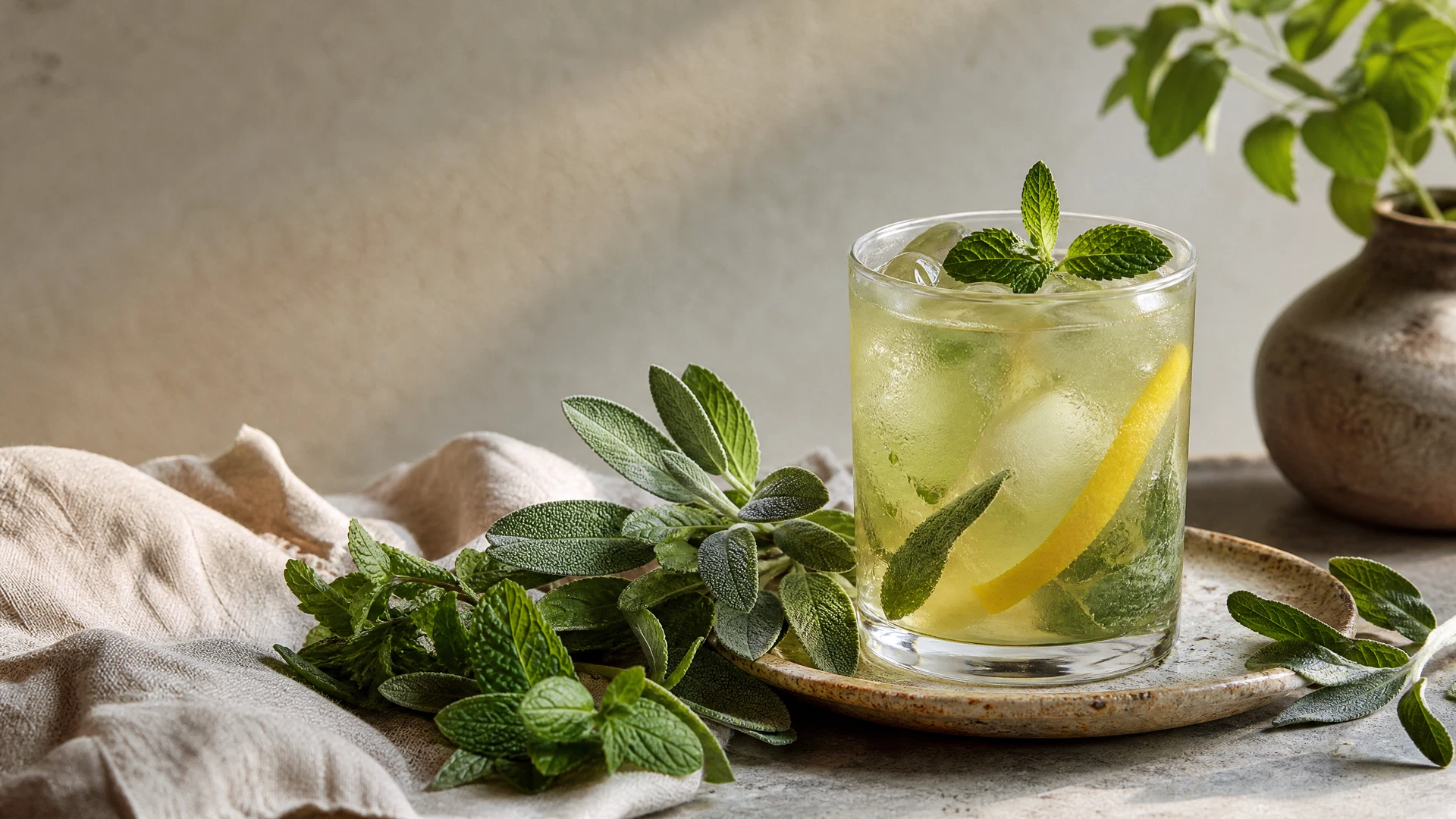
How to buy it: Dried tulsi leaf is widely available and very affordable. A large bag of loose leaf will cost around $15. How to use it: Tulsi makes a beautiful, fragrant, slightly spicy daily tea. Steep a tablespoon of the dried leaves in hot water for ten minutes. It is gentle enough to drink throughout the day, whether hot in a mug or poured over ice. When to skip it: Tulsi may lower blood sugar, so if you are diabetic or taking medication for blood sugar control, monitor yourself closely. It can also have a mild blood-thinning effect, so pause it before any scheduled surgery.
For the Shifting Cycle
In perimenopause, the menstrual cycle often becomes a wild card. It may arrive early, late, heavy, or light. The predictable hormonal rhythm you have known for years is changing, and these herbs are traditionally used to offer a steadying hand during the fluctuation.
8. Vitex (Chaste Tree Berry)
Vitex is a slow, steady, foundational herb. It does not contain hormones; rather, it is traditionally believed to communicate with the pituitary gland, encouraging the body to find its own rhythm and balance its own production of progesterone and estrogen. It is often reached for when cycles become wildly erratic, or when the premenstrual phase becomes suddenly, intensely difficult.
How to buy it: Vitex is most commonly taken as a tincture or in capsules, as the berries are quite peppery and strong-tasting. Expect to pay around $15 to $20 for a month's supply. How to use it: Vitex requires deep patience. It is typically taken daily, first thing in the morning, and it may take three to six months of consistent use to feel its effects. It is a long-term relationship, not a quick fix for a bad day. When to skip it: Because it influences the pituitary, do not use vitex if you are on hormonal birth control, hormone replacement therapy, or medication for Parkinson's disease. It is also not recommended for those with a history of depression, as it can sometimes exacerbate it.
9. Red Clover
As estrogen levels begin to fluctuate wildly and eventually decline, herbalists often turn to red clover. It is a deeply nourishing herb, rich in minerals and isoflavones—plant compounds that can gently bind to estrogen receptors. It is traditionally used to support the body through the physical shifts of perimenopause, offering a subtle, grounding nourishment that helps smooth the edges of the transition.
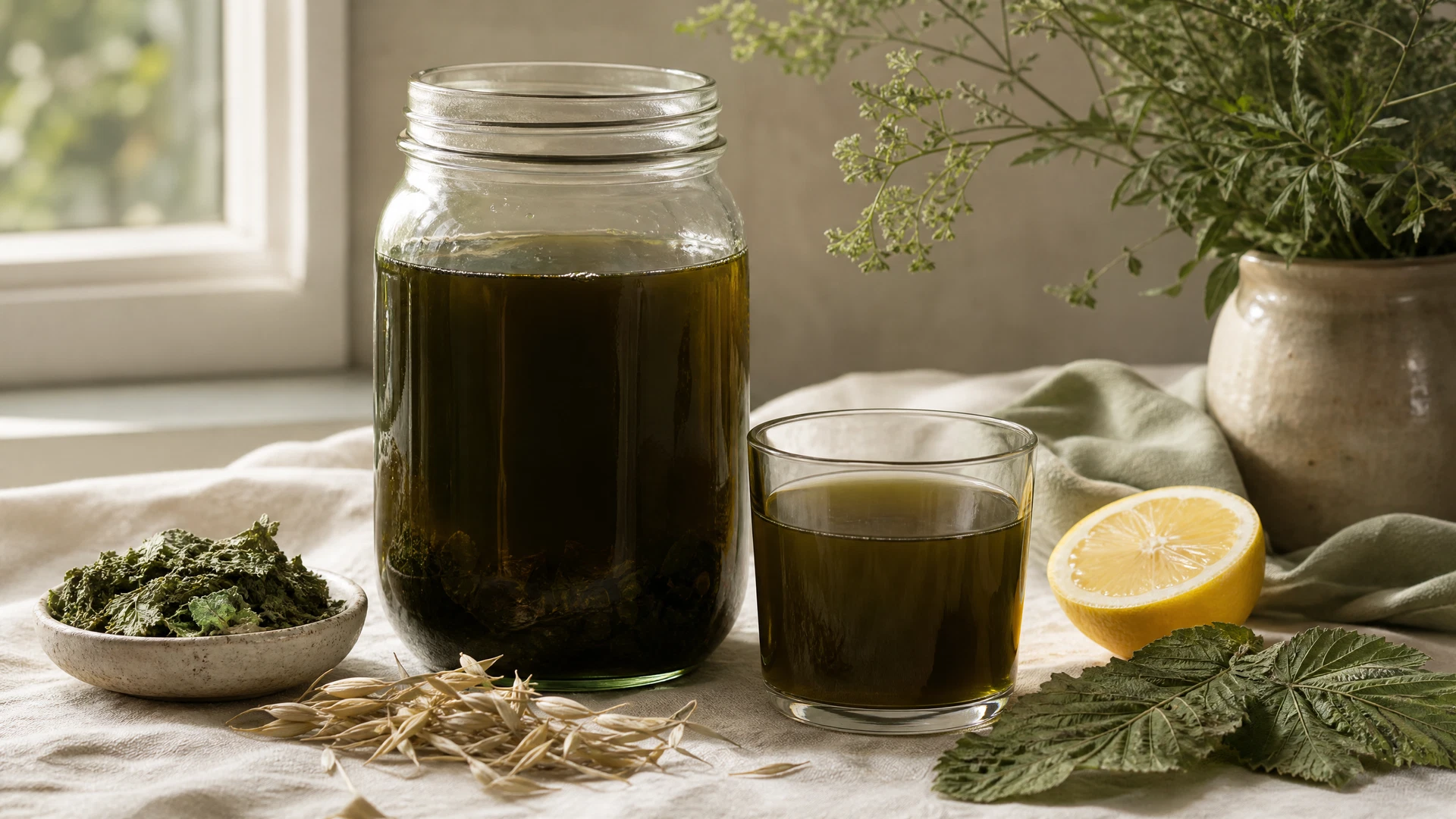
How to buy it: Dried red clover blossoms are beautiful, sweet-smelling, and inexpensive. A large bag will cost around $15. How to use it: Red clover is best prepared as a strong, overnight infusion to extract its deep mineral content. Place a handful of blossoms in a quart jar, fill with boiling water, cover, and let it steep on the counter overnight. Strain and drink it throughout the next day. When to skip it: Because of its isoflavone content, red clover should be avoided if you have a history of estrogen-receptor-positive breast cancer or other hormone-sensitive conditions. It also has mild blood-thinning properties, so skip it if you are on anticoagulant medication or preparing for surgery.
For the Nervous System
Beneath the hot flashes, the sleeplessness, and the shifting cycles, the nervous system is bearing the brunt of the perimenopausal transition. It is the foundation upon which everything else rests, and it needs to be fed, watered, and deeply cared for.
10. Oatstraw
If there is one herb that belongs in every single perimenopause pantry, it is oatstraw. This is the dried stem of the oat plant, harvested before the grain matures. It is profoundly rich in calcium, magnesium, and B vitamins. Herbalists consider it a supreme trophorestorative—a food for the nervous system. When you feel frayed, brittle, and entirely out of reserves, oatstraw is the quiet, steady nourishment your body is asking for.
How to buy it: Oatstraw is incredibly affordable. You can buy it by the pound for around $15 to $20, and a pound will last you a very long time. How to use it: Like red clover, oatstraw is best made as a strong overnight infusion. A handful of the dried herb in a quart jar of boiling water, steeped overnight, yields a mild, slightly sweet, deeply mineral-rich brew. It is the foundation of our perimenopause peace tea, and it is gentle enough to drink by the quart, every single day. When to skip it: Oatstraw is generally considered safe for almost everyone. If you have celiac disease, ensure you are buying oatstraw that is certified gluten-free, as cross-contamination in processing is common.
The Work of the Crossing
Building a perimenopause pantry is not about finding a cure for a natural transition. It is about gathering your tools. It is about acknowledging that your body is doing profound, exhausting work, and deciding to offer it support rather than demanding it perform exactly as it did a decade ago.
You do not need all ten of these herbs. Look at the list, listen to what your body is asking for, and choose two or three to begin. Bring them into your kitchen. Make the tea. Take the tincture. Let the ritual of preparing them be the first quiet moment of the day where you tell your body: I hear you. I am paying attention. We are going to navigate this crossing together.
If you are struggling, if the bleeding is heavy enough to cause anemia, if the anxiety is persistent and overwhelming, or if you suspect underlying issues like thyroid disease or PCOS, please involve a clinician. You do not have to endure suffering to prove your resilience. The earth already made the medicine, and sometimes that medicine is a plant, and sometimes it is a prescription, and very often, it is the wisdom to know when you need both.
Keep reading with us
Pull up a chair.
Start with 7 Tonics Every Woman Should Know, then a letter each week.