lifestyle
Why Your Grandmother's Remedies Were Right
An enormous amount of household plant knowledge lived in women's hands and was passed down in kitchens. We explore the profound wisdom of folk herbalism, what was lost to modern medicine, and how you can start the chain again.
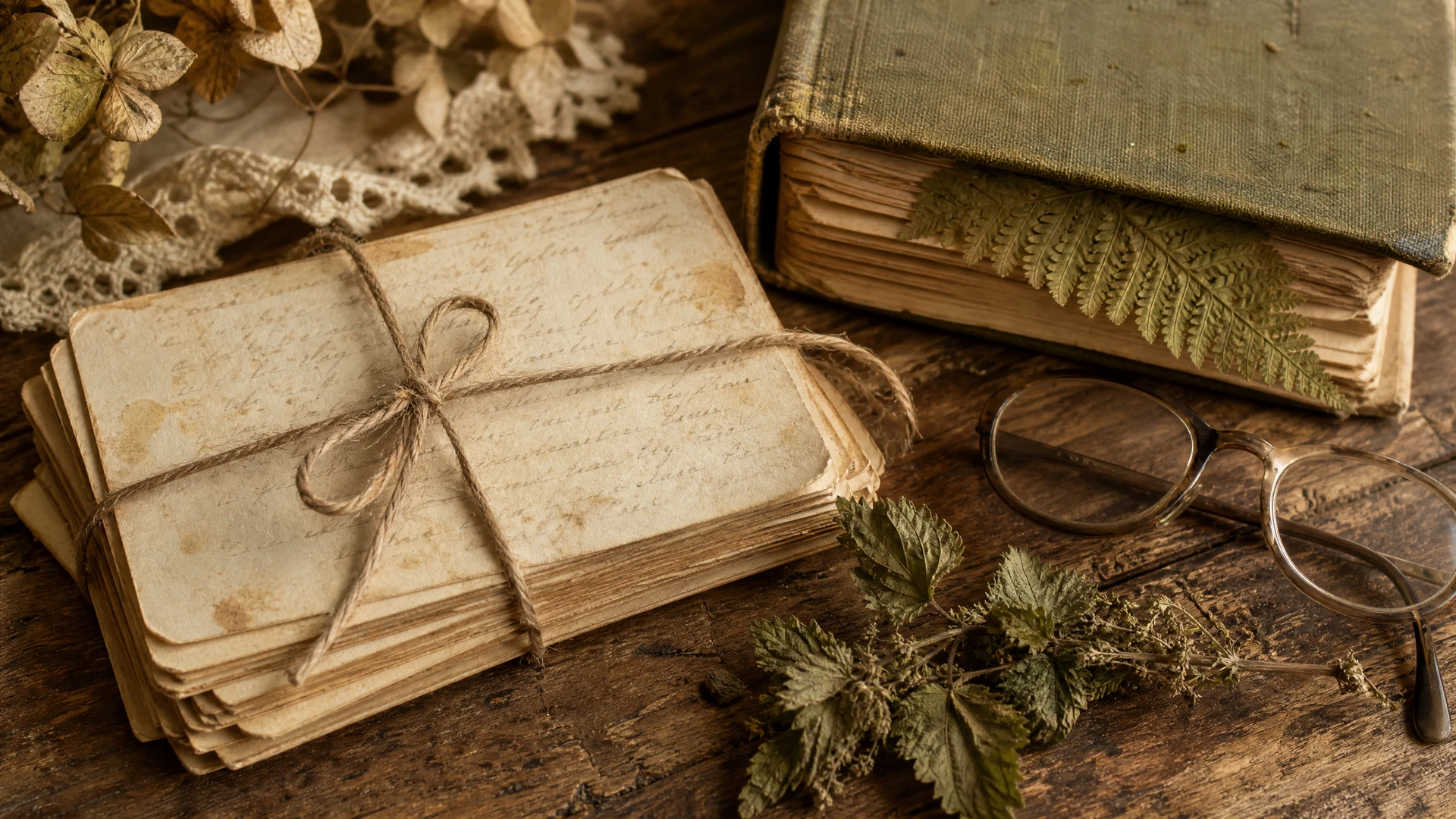
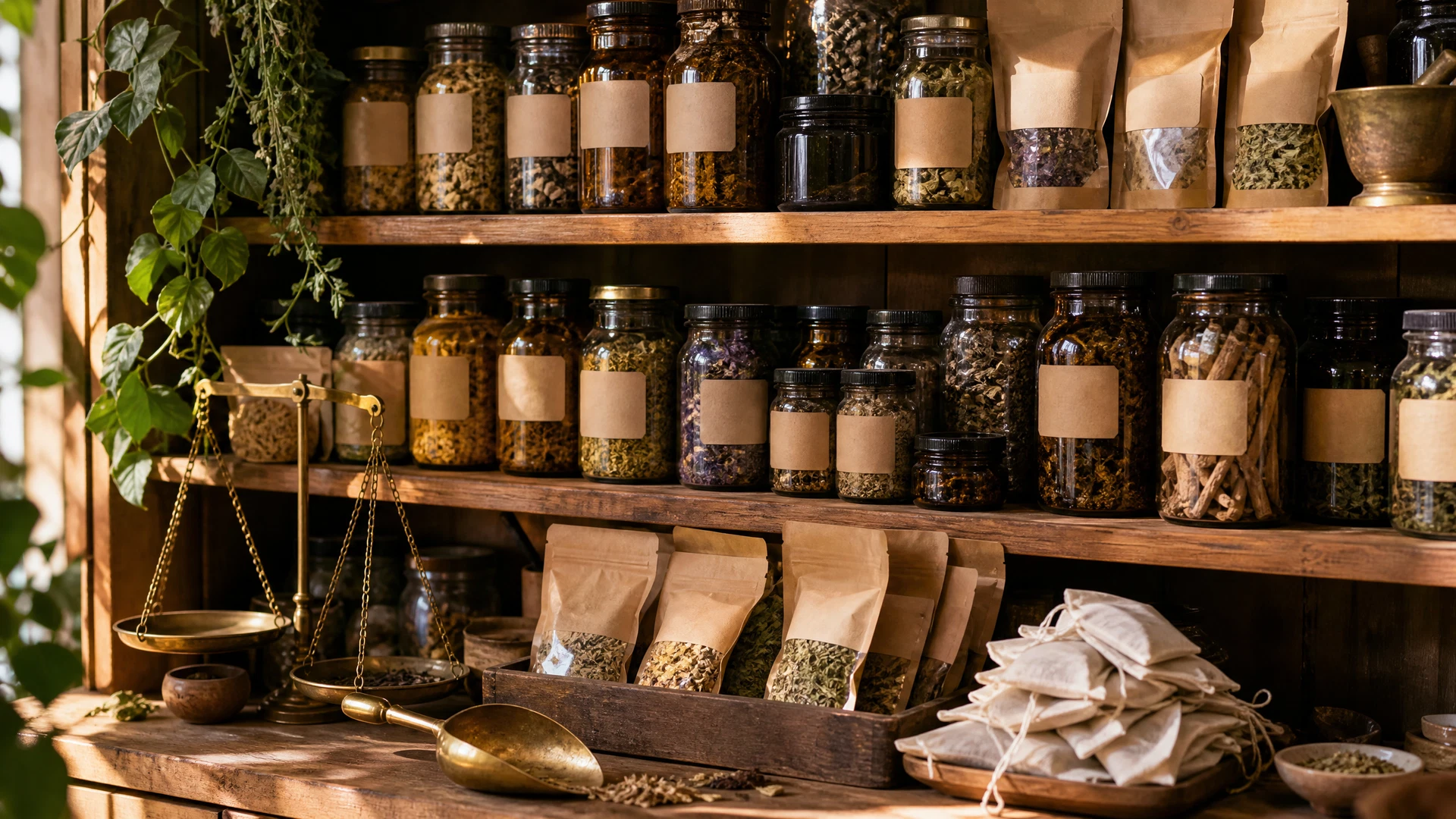
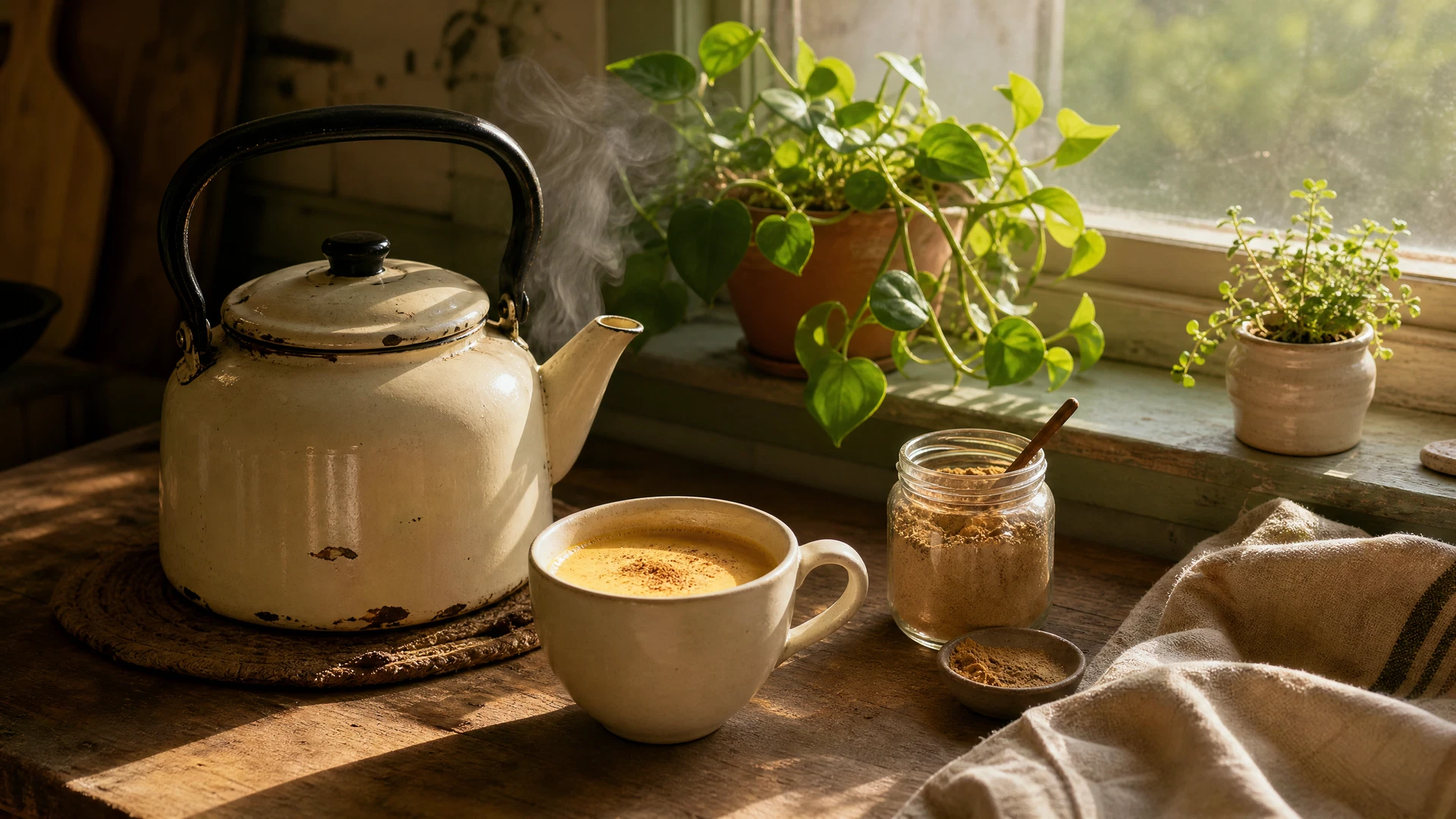
There was a time, not so very long ago in the span of human history, when the kitchen was the center of the household's health. It was the original apothecary, a place where the line between food and medicine was porous, if it existed at all. The women who tended these spaces knew the plants that grew outside their doors not merely as scenery, but as allies. They knew which roots to dig before the first frost, which leaves to gather in the height of summer, and how to coax the medicinal properties from bark and berry using nothing more than water, vinegar, honey, or alcohol. This was the domain of folk herbalism, a vast, living body of knowledge held almost entirely in women's hands. It was a quiet, daily practice of observation and response, woven seamlessly into the fabric of domestic life. The smell of drying herbs hanging from the rafters, the dark, macerating jars of tinctures tucked into the back of a cupboard, the bubbling pots of roots and barks on the stove—these were the ordinary, essential tools of survival and care.
This knowledge was not learned in lecture halls or codified in peer-reviewed journals. It was transmitted through the intimate, domestic rhythms of daily life. It was passed down in kitchens, over steaming pots and drying racks. It was shared over fences between neighbors, whispered from mother to daughter, and traded among the women who attended the births and laid out the dead. It was a deeply empirical science, built on centuries of careful observation, trial, error, and inherited wisdom. When a child woke with a fever, or a woman's cycle brought crippling pain, the first response was not to seek outside intervention, but to turn to the pantry and the garden. The women who held this knowledge were the first line of defense against illness, the keepers of the community's well-being.
Today, we often look back on these traditional home remedies with a mixture of nostalgia and condescension. We romanticize the image of the wise grandmother with her jars of dried herbs, even as we dismiss her practices as 'old wives' tales'—a phrase that itself reveals the gendered contempt with which this knowledge was eventually treated. We have been taught to view the history of medicine as a straight line of progress, moving from the dark ages of superstition and folklore into the bright, sterile light of modern science. But the truth is far more complex, and the displacement of household plant knowledge was not simply a matter of science triumphing over ignorance. It was a profound cultural shift, a transfer of power and authority from the domestic sphere to the professional realm.
The twentieth century brought profound changes to how we understand and manage our health. There is no denying the miraculous nature of these advancements. The discovery of antibiotics, the development of vaccines, the mastery of surgical techniques, and the ability to synthesize life-saving drugs have transformed the human experience. Modern medicine saves lives every single day that tradition could not have saved. If you have a ruptured appendix, a severe infection, or a complex disease, you do not need a cup of tea; you need a hospital. It is crucial to be intellectually honest about this. Folk practice was not a flawless utopia of natural healing. It contained remedies that were ineffective, superstitions that were baseless, and practices that were sometimes dangerous. The romanticization of the past often glosses over the very real suffering that our ancestors endured, suffering that modern medicine has largely alleviated.
However, the rise of professionalized medicine did not merely offer new, life-saving interventions; it actively marginalized and delegitimized the domestic healing traditions that preceded it. As medicine became a formalized, male-dominated profession, the knowledge held by women in their kitchens was systematically devalued. It was rebranded as unscientific, primitive, and ultimately, irrelevant. The marketing engines of the pharmaceutical and medical industries worked diligently to convince the public that true health could only be purchased in a bottle from a pharmacy, prescribed by a credentialed expert. The message was clear: you are not qualified to care for yourself or your family. You must outsource your well-being to the professionals.
In the process, we lost something profound. We lost the mechanism of transmission. When the chain of knowledge was broken, we lost the quiet confidence that comes from knowing how to respond to the everyday ailments of the human body. We lost the intimate connection to the plants that grow around us, forgetting their names and their uses. We forgot that the earth already made the medicine, and that we have the capacity to find it and use it. The loss of this transmission meant that generations of women grew up without the basic literacy of their own bodies and the natural world. We became consumers of healthcare rather than active participants in our own healing.
Yet, even as the medical establishment dismissed folk herbalism, it quietly mined it for its most potent discoveries. The traffic between the two worlds has always been heavy, though rarely acknowledged. The classic example is aspirin, one of the most widely used drugs in the world. Its active ingredient, salicylic acid, was derived from the bark of the willow tree—a plant that herbalists and indigenous healers had used for centuries to reduce fevers and ease pain. Similarly, quinine, the first effective treatment for malaria, was isolated from the bark of the cinchona tree, a traditional remedy of the Quechua people of Peru. Digitalis, used to treat heart failure, comes from the foxglove plant, long used in folk medicine. Modern pharmacology is, in many ways, built upon the foundation of traditional plant knowledge.
The irony is that while the isolated, synthesized compounds of these plants were hailed as medical breakthroughs, the women who had been using the whole plants for generations were dismissed as peddlers of folklore. The scientific method validated the efficacy of the plants, but it stripped away the context, the ritual, and the holistic understanding of the body that accompanied their traditional use. A synthesized pill delivers a single, powerful chemical intervention, but a whole-plant preparation offers a complex symphony of compounds that work synergistically, often mitigating side effects and supporting the body in a more balanced, gentle way.
This brings us to the heart of the matter: why your grandmother's remedies were, in so many cases, right. They were right because they were born of a deep, sustained engagement with the natural world and the human body. They were right because they recognized that the body is not a machine to be fixed with isolated chemicals, but a complex, interconnected system that responds to the gentle, multifaceted support of whole plants. The traditional herbalist did not seek to suppress symptoms, but to understand what the body was asking for and to provide the resources it needed to find its way back to balance.
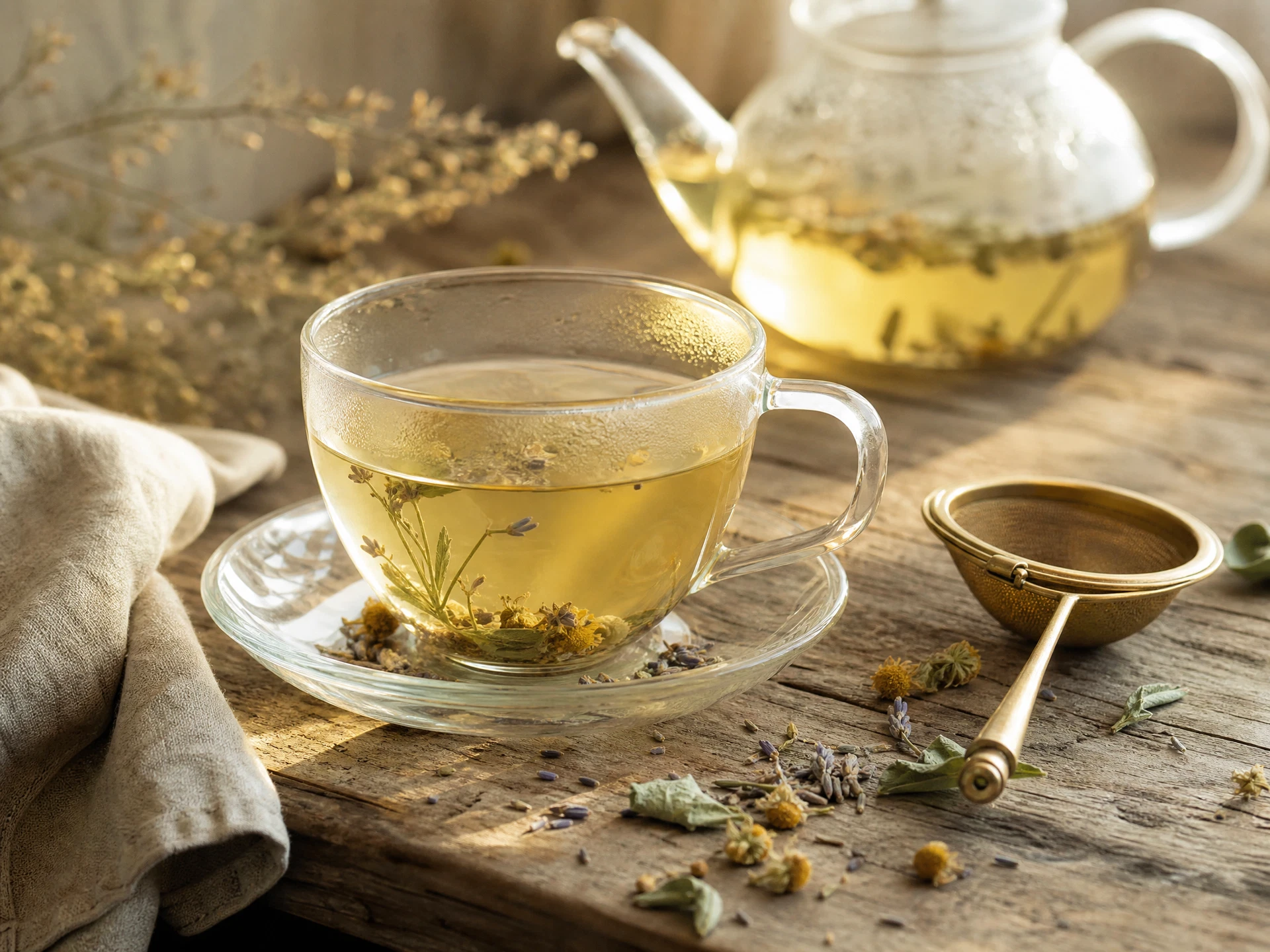
Consider the humble nettle. To the modern eye, it is a weed, a nuisance that stings the unwary gardener. But to the traditional herbalist, it is a powerhouse of nourishment. A deeply steeped iron woman nettle infusion is a classic folk remedy for fatigue, depletion, and the specific nutritional needs of women. Modern analysis confirms what the grandmothers knew: nettle is incredibly rich in iron, calcium, magnesium, and vitamins. It is a deeply restorative tonic that supports the body's foundational health. The tradition didn't need a laboratory to prove its worth; the proof was in the vitality of the women who drank it.
Similarly, red raspberry leaf has been used for centuries as a tonic for the female reproductive system. Passed down through generations of midwives and mothers, it was the go-to herb for toning the uterus, easing menstrual cramps, and preparing the body for childbirth. Today, we understand that it contains fragrine, an alkaloid that helps to tone the muscles of the pelvic region, as well as a wealth of vitamins and minerals. The old wives were right, even if they didn't have the vocabulary of modern biochemistry to explain why. They knew that a daily cup of this earthy, slightly astringent tea could transform a difficult cycle and provide profound support during the childbearing years.
When we look at the traditional approach to immunity, we see a similar wisdom. The folk approach was rarely about 'boosting' the immune system in a vacuum. It was about supporting the body's innate resilience, warming the system, and encouraging the natural processes of elimination. A classic example is fire cider, a pungent, spicy vinegar infusion of horseradish, garlic, onion, ginger, and hot peppers. A hormone-friendly fire cider is not a cure for the common cold, but it is a masterful traditional formulation designed to stimulate circulation, clear congestion, and warm the body from the inside out. It is a remedy that engages the senses and demands a physical response, a far cry from the passive experience of swallowing a pill.
The point of reclaiming this herbal wisdom is not to reject modern medicine. That is a false dichotomy, and a dangerous one. If you are dealing with persistent, severe symptoms—if you suspect endometriosis, PCOS, thyroid disease, anemia, or if you are experiencing persistent anxiety or liver concerns—you must involve a clinician. These are conditions that warrant real medical investigation, and herbs should never be positioned as superior to or in opposition to necessary medical care. The goal is not to replace your doctor with a tea bag. The goal is to build a comprehensive, intelligent approach to your health that utilizes the best of both worlds.
The goal is to reclaim the vast territory of everyday health that lies between perfect wellness and acute illness. It is to remember that you have agency in your own care. When you feel the first scratch of a sore throat, when your energy dips in the dark days of winter, when your cycle brings its familiar aches, you do not have to feel helpless. You can turn to the pantry. You can turn to the garden. You can reach for the herbs your body already knows. You can participate actively in your own well-being, rather than waiting until you are sick enough to require a prescription.
What we are really reclaiming is the inheritance of transmission. We are picking up the broken thread and weaving it back into the fabric of our lives. We are remembering that the kitchen is still an apothecary, and that the simple act of brewing a cup of tea can be a profound act of self-care and connection to the lineage of women who came before us. When we chop the garlic for a fire cider, or measure out the dried nettle for an infusion, we are participating in a ritual that stretches back centuries.
You can start the chain again in your own kitchen. You do not need a degree in botany or a certification in herbalism to begin. You only need a willingness to learn, a respect for the plants, and a desire to listen to your own body. Start small. Learn one plant. Learn how it grows, how it smells, how it tastes. Learn what it does in your body. Make an infusion. Brew a tonic. Share it with a friend. Tell your daughter about it. Write down your recipes and your observations.
Every time you choose to engage with the natural world in this way, you are honoring the wisdom of the grandmothers. You are validating the empirical science of the kitchen. You are refusing the narrative that says you are incapable of caring for yourself. You are stepping back into the long, unbroken line of women who knew that the earth already made the medicine, and who possessed the quiet, unshakeable confidence to find it.
The remedies were right not because they were magical, but because they were rooted in relationship—a relationship between the human body and the botanical world, and a relationship between the women who shared the knowledge. That relationship is still available to us. The plants are still growing. The water is still boiling. The kitchen is waiting. It is time to remember what we once knew, and to pass it on.
Keep reading with us
Pull up a chair.
Start with 7 Tonics Every Woman Should Know, then a letter each week.