The encyclopedia

Know your plants

Every herb here has a history, a mechanism, and a set of honest limitations. We give you all three — including who should leave it on the shelf.

Helps with
Kind

10 plants

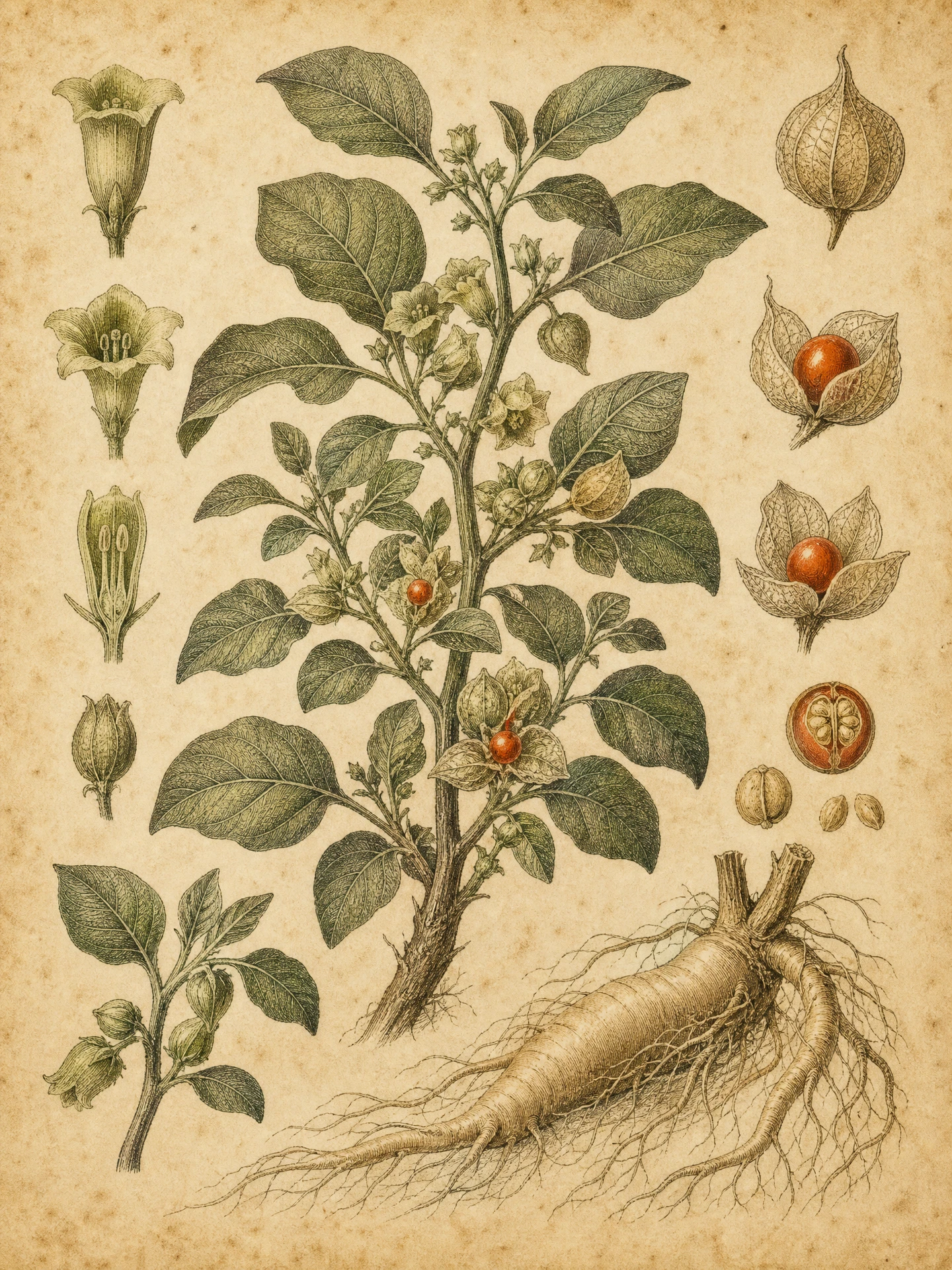
Vintage botanical illustration of ashwagandha showing its ovate leaves, small flowers, red berries, and thick pale root.

Ashwagandha

Withania somnifera

A deeply grounding adaptogenic root that helps the body find its footing when the ground feels unsteady. Traditionally used to quiet a racing mind, steady the nervous system, and restore energy that has been drained by chronic stress.

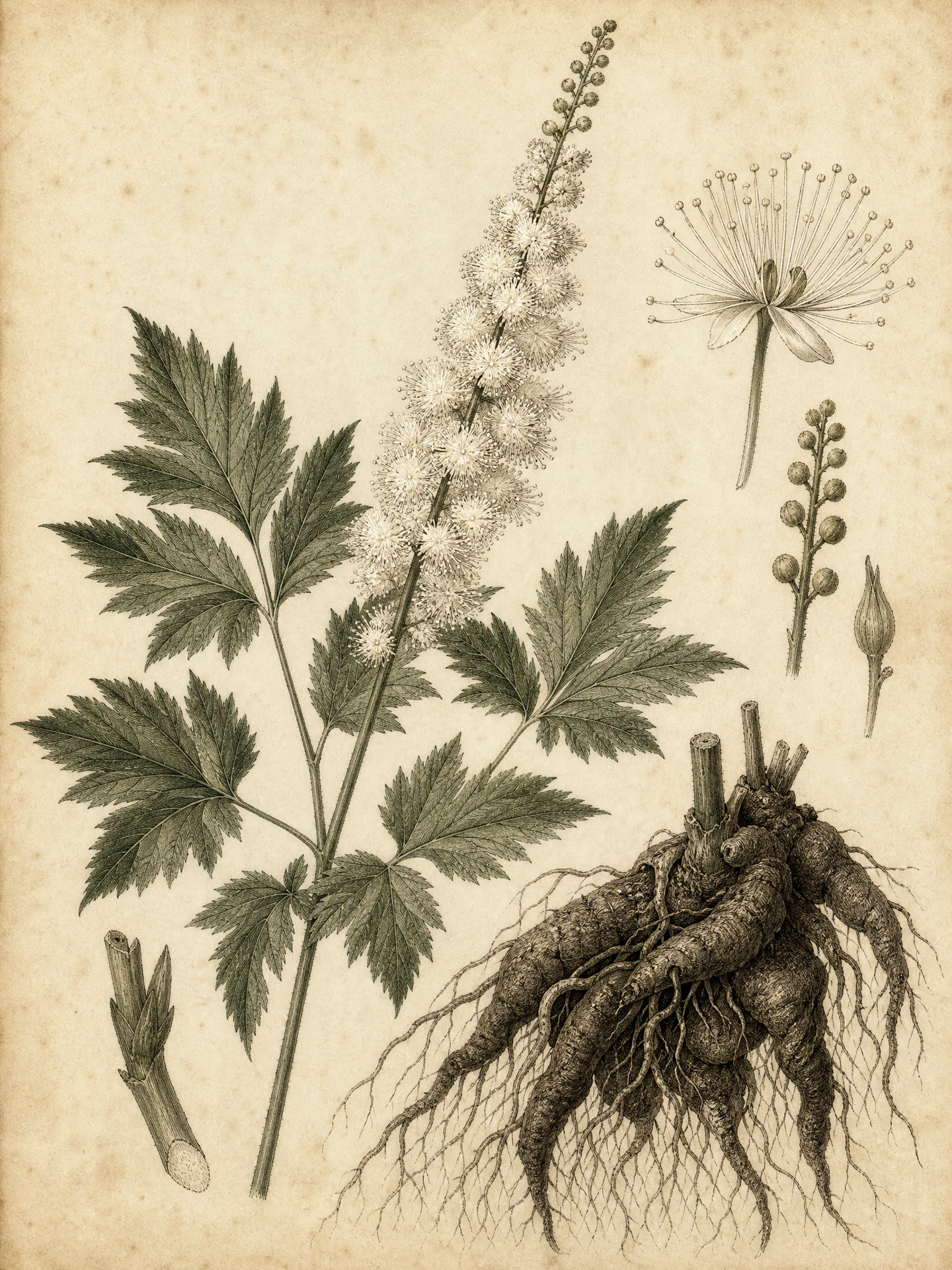
Botanical engraving of black cohosh showing its feathery white flowers, broad leaves, and dark, gnarled root.

Black Cohosh

Actaea racemosa

A tall, white-plumed woodland plant native to eastern North America, long valued in traditional practice for women's transitions. It is most often reached for to support the body through the hot flashes and night sweats of perimenopause.

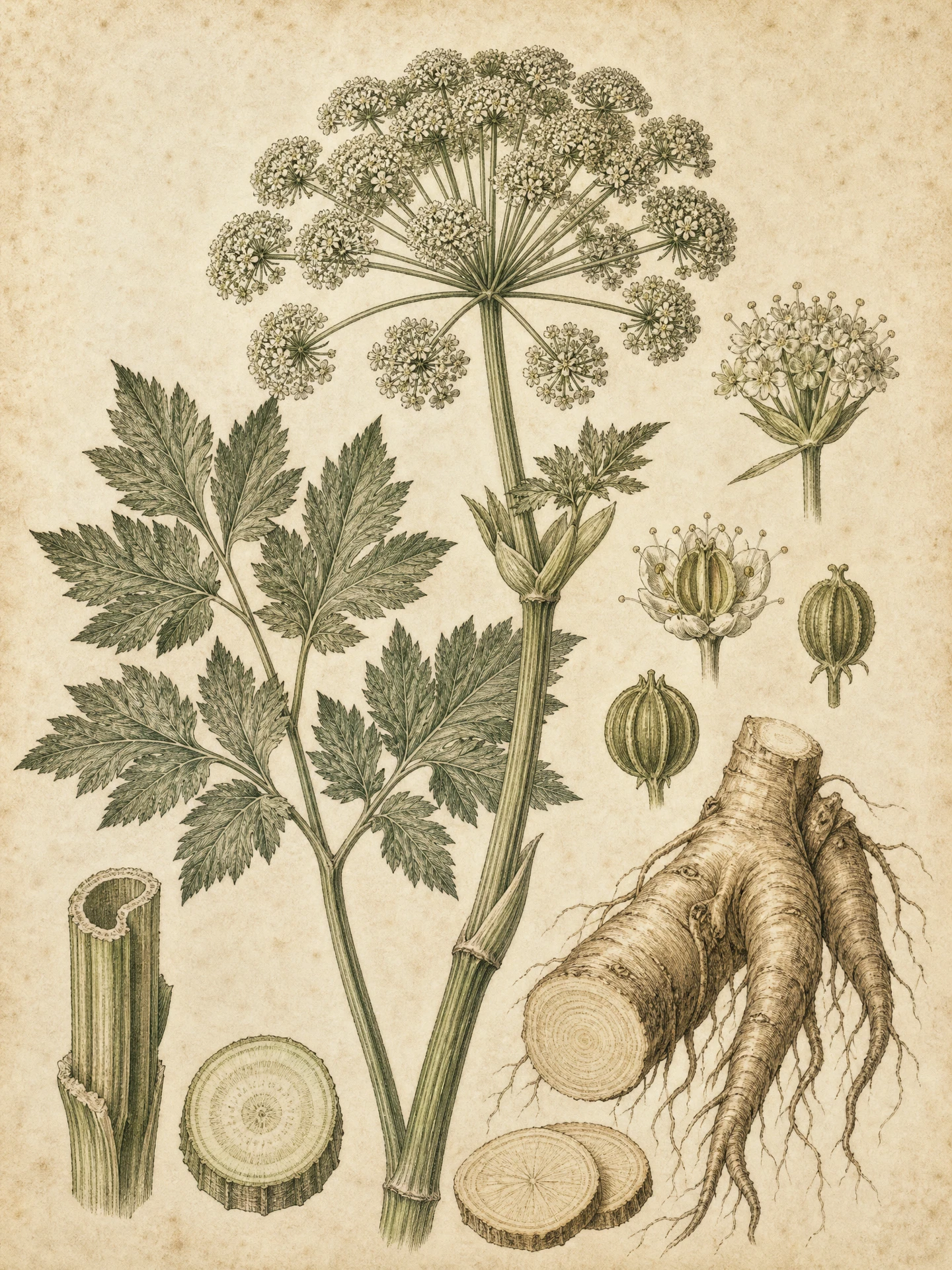
Botanical illustration of dong quai showing its thick branching root, hollow stems, and delicate white flowers.

Dong Quai

Angelica sinensis

Known in traditional Chinese medicine as the ultimate root for women's vitality, dong quai is a warming, grounding herb used to build reserves and encourage a smooth, regular cycle. Often called "female ginseng," it is best used not alone, but woven into thoughtful formulas to deeply nourish the body.

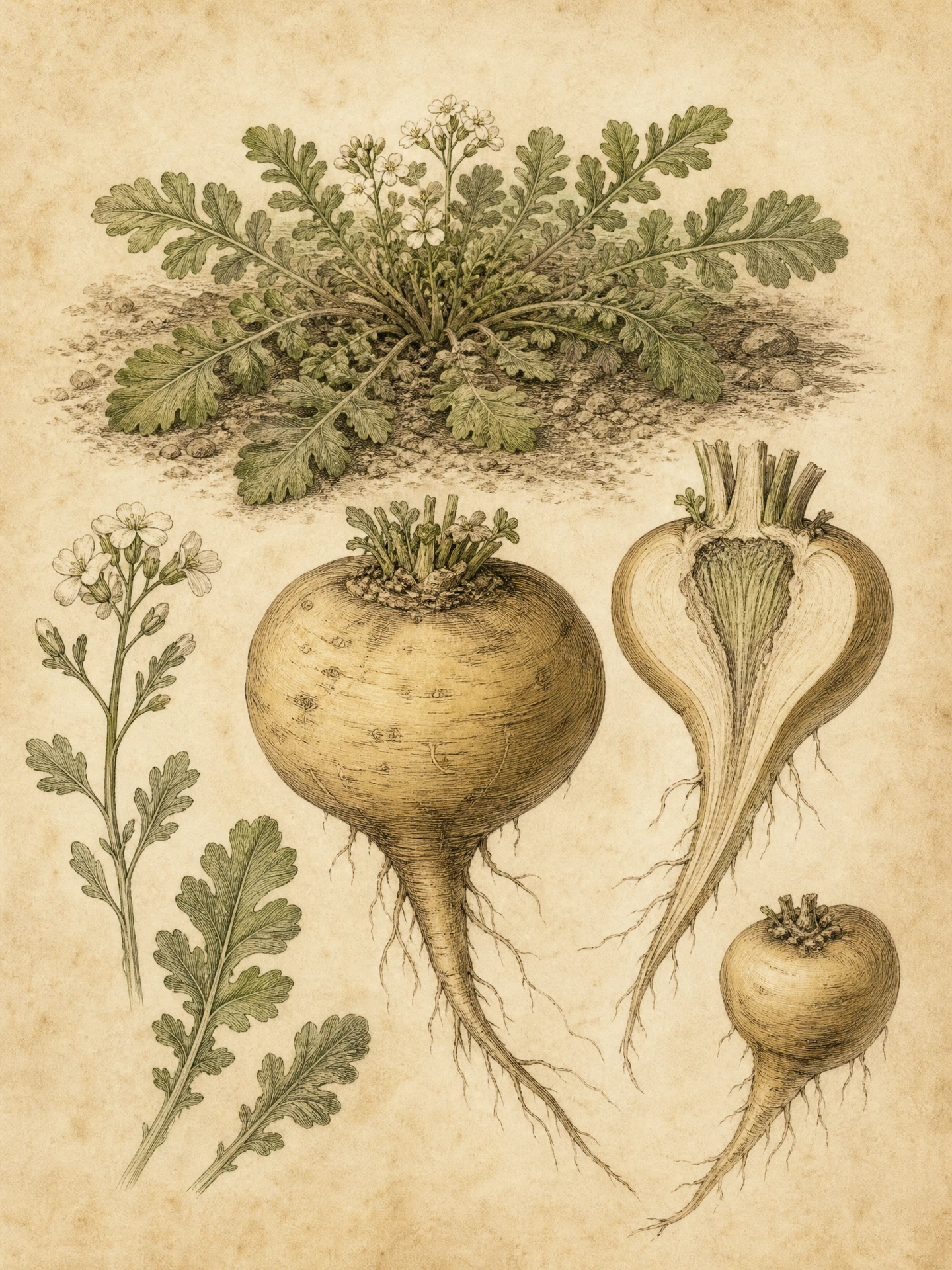
Botanical engraving of a maca plant showing its scalloped leaves, small flowers, and turnip-like root on aged paper.

Maca

Lepidium meyenii

A resilient cruciferous root from the high Andes, traditionally cooked to nourish vitality and endurance. Maca is a slow, cumulative food that herbalists reach for to support steady energy, libido, and hormonal balance, particularly during the shifts of perimenopause.

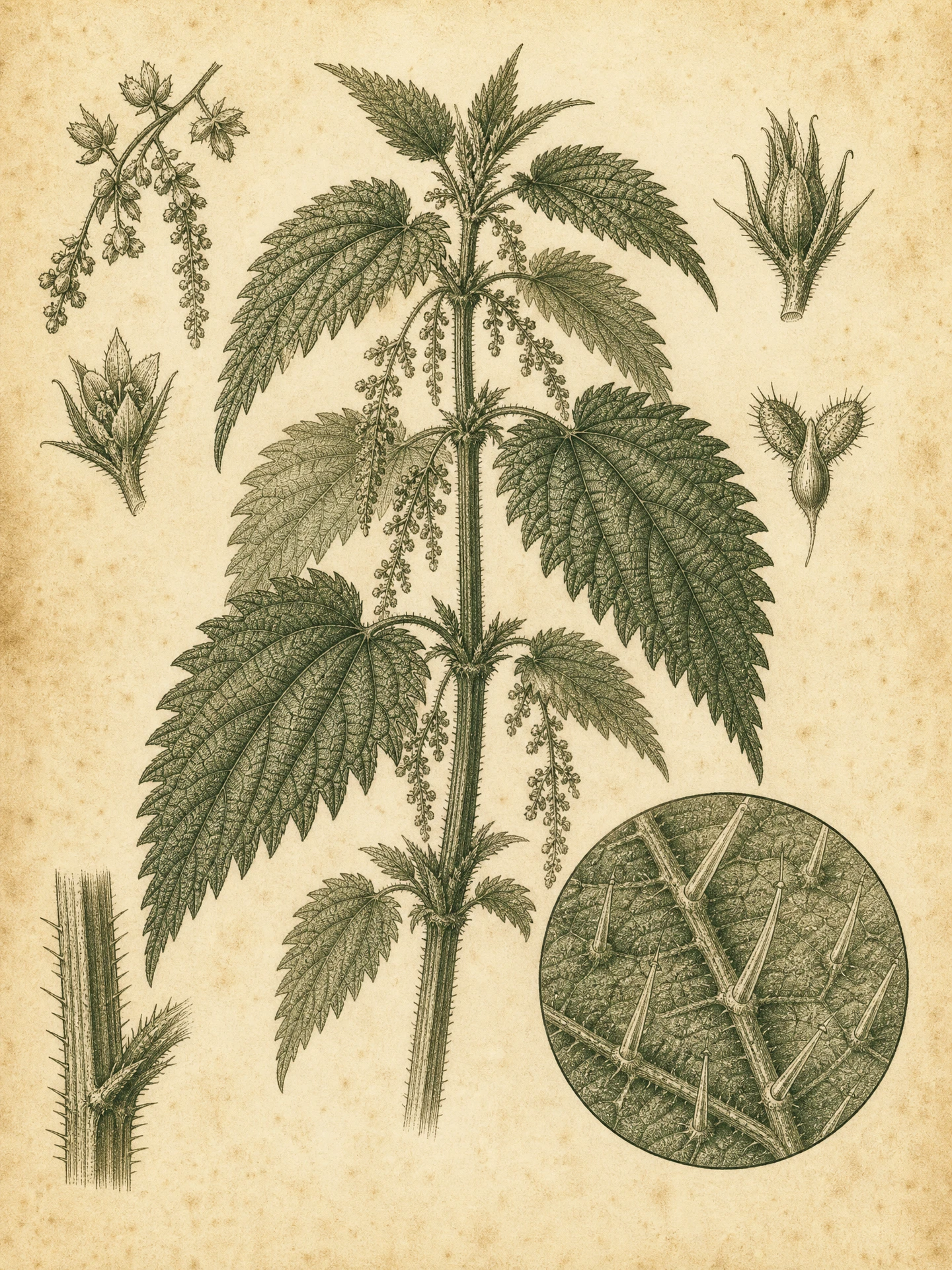
A vintage botanical illustration of a nettle plant, showing its serrated leaves, stinging hairs, and tiny green flowers.

Nettle

Urtica dioica

The least glamorous and most useful herb in the apothecary. A deeply nourishing, mineral-rich tonic traditionally used to replenish energy, support healthy hair and skin, and rebuild the body from the ground up.

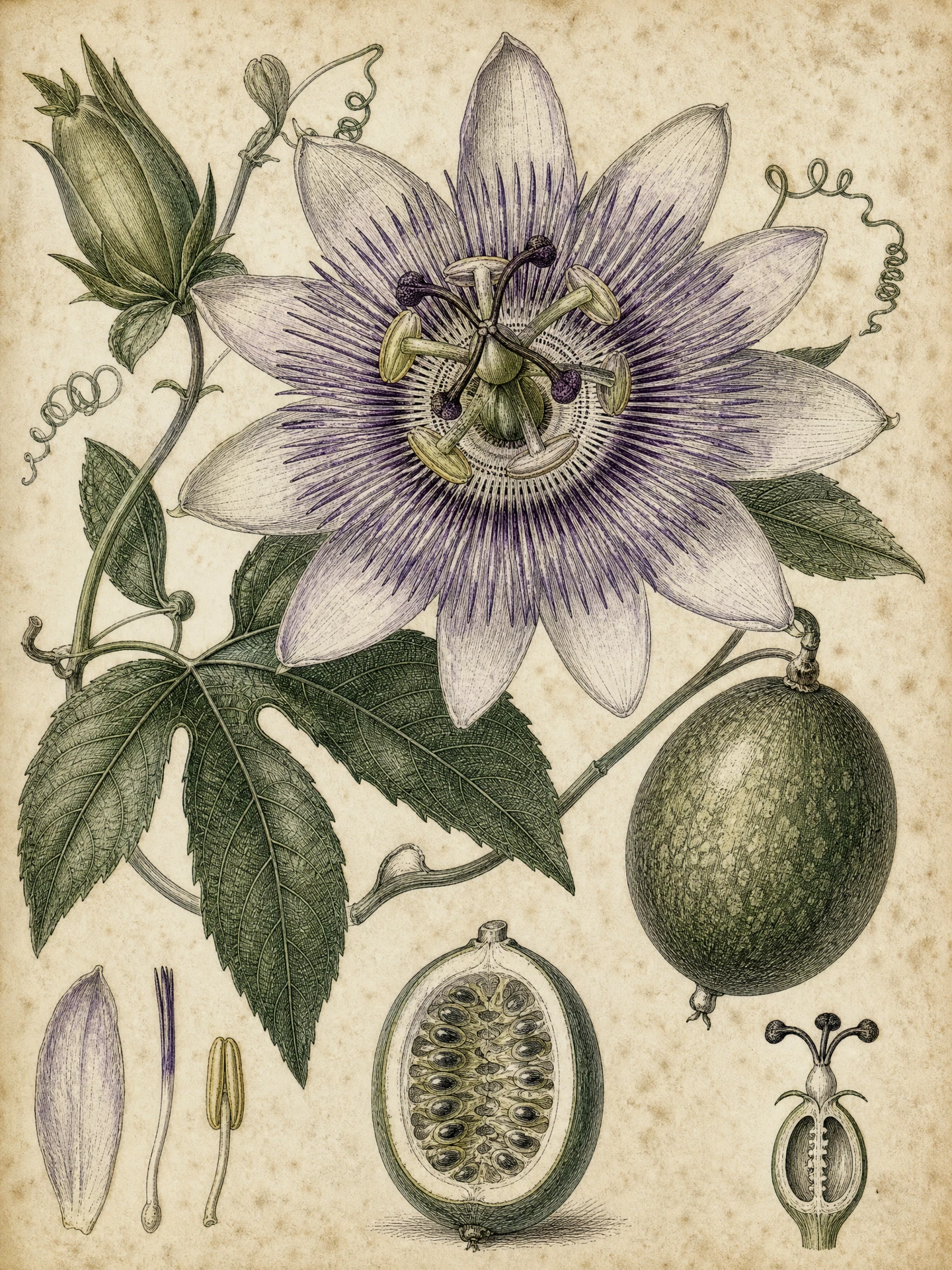
Botanical engraving of a passionflower vine, showing its intricate fringed blossom, lobed leaves, and curling tendrils.

Passionflower

Passiflora incarnata

An extraordinary vine with a complex, otherworldly blossom, passionflower is the herbalist's choice for a mind that will not stop talking. It gently turns down the volume on looping thoughts and nervous tension, inviting a state of natural ease. A deeply supportive, gentle nervine for the restless and the weary.

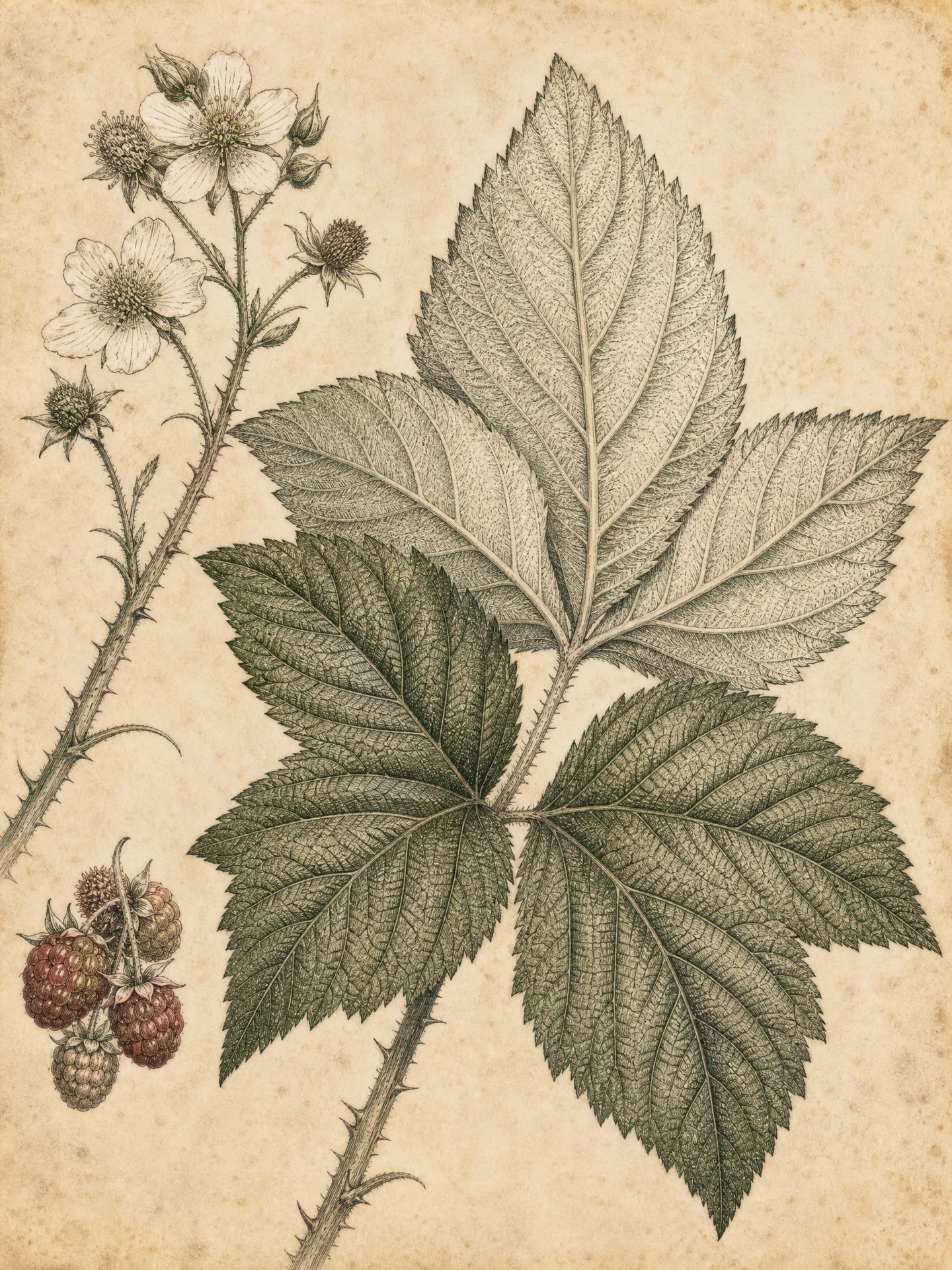
Botanical engraving of red raspberry (Rubus idaeus) showing its serrated leaves, delicate flower, and textured berries.

Red Raspberry Leaf

Rubus idaeus

A humble hedgerow leaf that brews into a robust, earthy tea, long revered as the ultimate tonic for the female body. It offers gentle, cumulative nourishment to tone the womb and support the natural rhythms of your cycle.

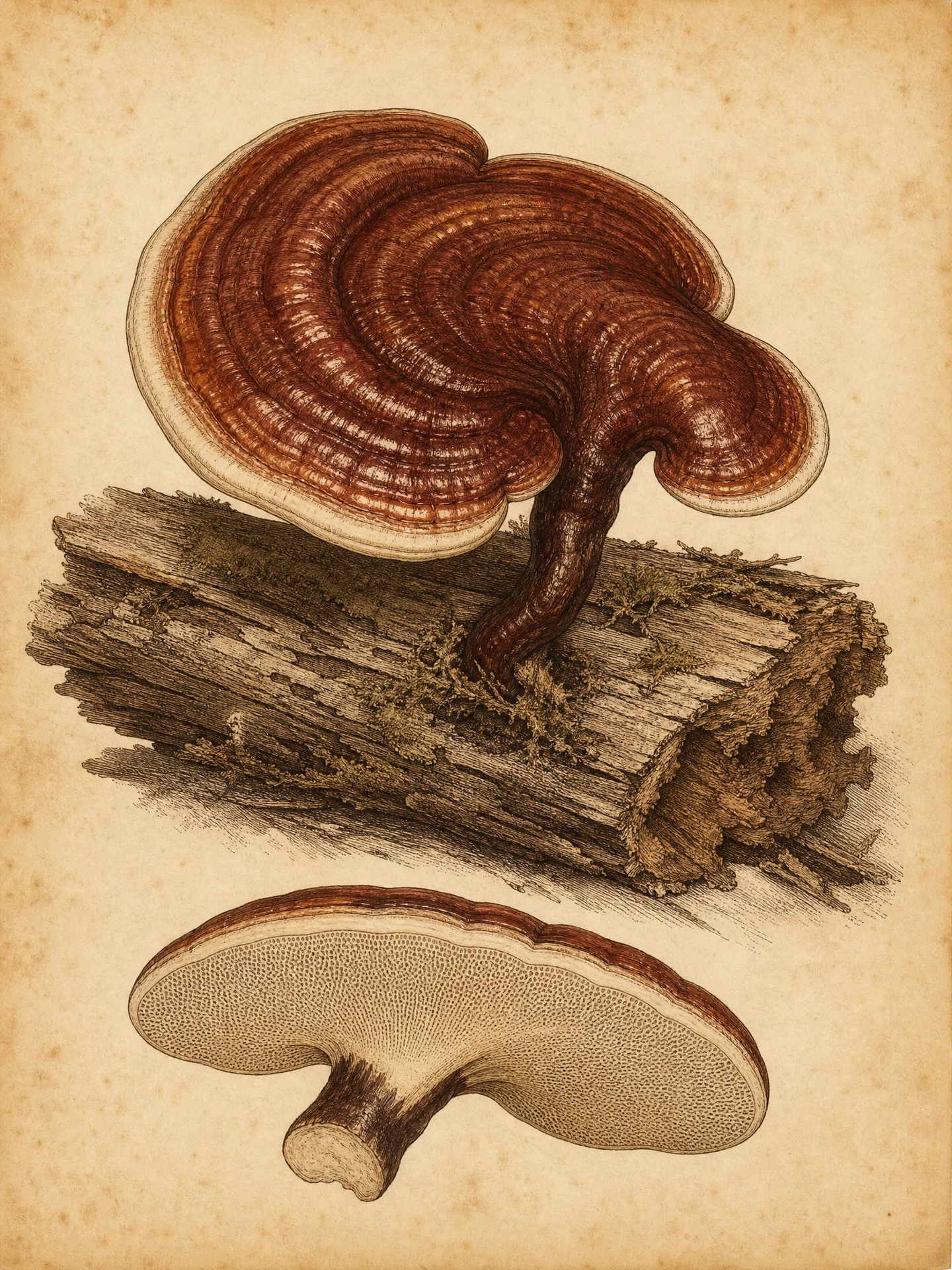
A vintage botanical engraving of a reishi mushroom, showing its lacquered, kidney-shaped cap and woody stem.

Reishi Mushroom

Ganoderma lucidum

Known as the mushroom of immortality, this grounding adaptogen has been revered for centuries to quiet the mind and build deep stress resilience. It is the quiet anchor in the storm, offering a slow, steady nourishment for the woman who is tired but wired.

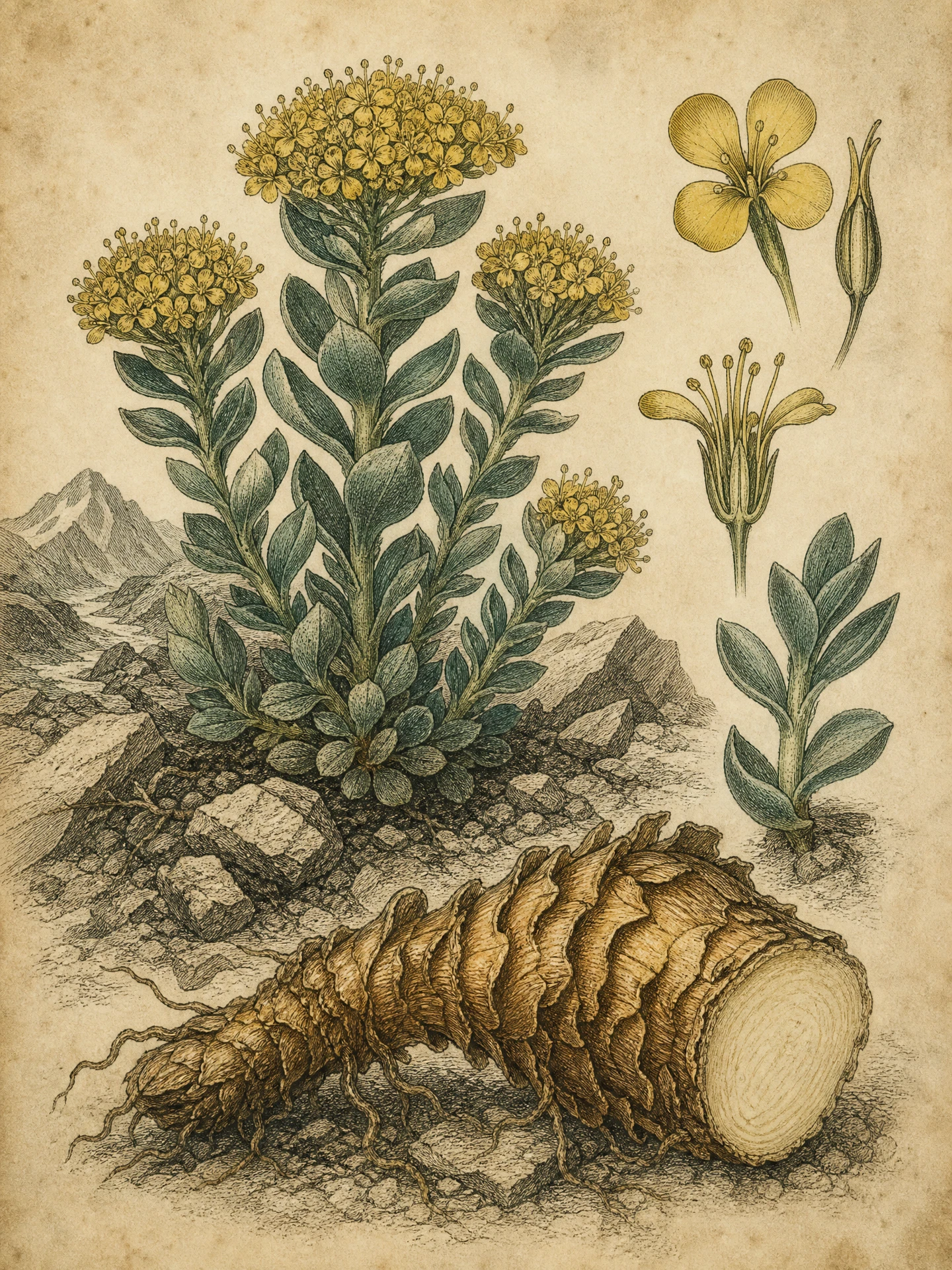
Vintage botanical engraving of Rhodiola rosea, showing its thick gnarled root, succulent leaves, and yellow-green flowers.

Rhodiola

Rhodiola rosea

Known as the arctic rose, this resilient northern root is a potent adaptogen traditionally used to clear mental fog and restore deep stamina. It offers immediate, grounding energy for the days when you feel entirely depleted, helping the body adapt to profound stress.

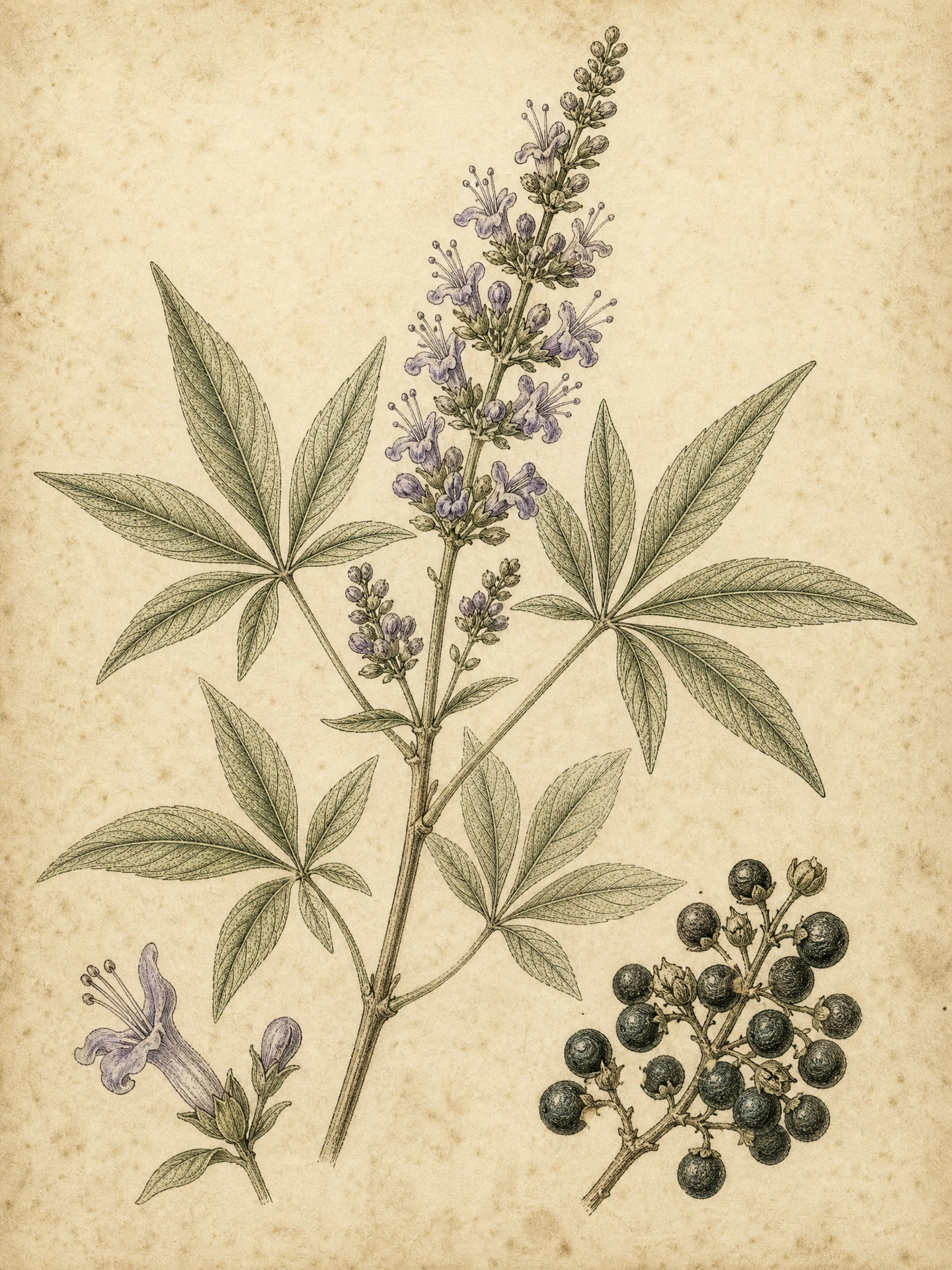
A vintage botanical illustration of the vitex chaste tree, showing its slender leaves, violet flowers, and dark berries.

Vitex (Chaste Tree Berry)

Vitex agnus-castus

A slow, profound berry that works quietly on the pituitary gland to support the delicate dance of estrogen and progesterone. Herbalists have long reached for the chaste tree to encourage regular cycles, soothe premenstrual tension, and prepare the body for conception.