For years, you were likely taught that your cycle was a liability. A monthly inconvenience to be managed, suppressed, or ignored until it demanded your attention through pain or exhaustion. You might have spent a decade on the pill, only to come off it and realize you have no idea what your body's natural rhythm actually feels like. Or perhaps you've been told that losing a week of your life to PMS is just the price of being a woman.
It isn't. Your cycle is information, not an inconvenience. It is a vital sign, as fundamental as your pulse or your breath. When we begin to listen to it, rather than fight it, the entire conversation changes.
The tradition of herbalism has always understood the menstrual cycle as a reflection of the earth's own seasons. There is a time for building, a time for blooming, a time for shedding, and a time for rest. When we try to live in a perpetual summer—expecting the same energy, the same mood, and the same output every single day of the month—we exhaust ourselves. The herbs our grandmothers and their grandmothers reached for were not meant to force the body into submission. They were meant to nourish the soil, to ease the transitions, and to give the body what it has been asking for.
The Four Seasons of Your Month
To understand how to support your cycle, you first have to know where you are within it. Cycle tracking is the free tool that outperforms every supplement on the market. It is the simple, radical act of paying attention. When you know which phase you are in, you stop wondering why you feel so tired on day twenty-six, or why you feel so vibrant on day twelve. You just know what season it is.
The Inner Winter: Menstruation This is the bleed. It is the deep exhale of the month. Your energy draws inward, and your body is doing the heavy work of releasing what it no longer needs. From the inside, this phase often feels like a craving for quiet, for warmth, and for less input from the outside world. The tradition holds that this is a time for deep nourishment. Herbalists have long reached for iron-rich nettle to replenish what is lost, and warming herbs to ease the physical work of the uterus.
The Inner Spring: The Follicular Phase As the bleed ends, the energy begins to rise. This is the building phase. You might feel a renewed sense of curiosity, a desire to start new projects, and a lightness in your body. The soil is being prepared. In folk practice, this is when we focus on gentle nourishment and building the blood. It is a time for vibrant, mineral-rich infusions that support the body's natural upward momentum.
The Inner Summer: Ovulation This is the peak. The bloom. For a few days, your energy is outward, social, and expansive. You might feel more resilient, more communicative, and more visible. The body is at its most fertile, not just in the literal sense, but in its capacity to connect and create. The herbal approach here is often about maintaining balance, ensuring that the fire doesn't burn too hot, and supporting the liver as it prepares to process the hormones that have just peaked.
The Inner Autumn: The Luteal Phase This is the longest phase, and the one that demands the most grace. The energy begins to turn inward again. You might notice a desire to nest, to finish tasks, and to draw boundaries. This is also when the shadows appear—the physical and emotional shifts we call PMS. If you have been running on empty all month, the luteal phase is when the bill comes due. Herbalists have traditionally leaned on roots and berries during this time to ground the nervous system, ease breast tenderness, and support the body's natural progesterone production.
The Traditions of Relief
When the cycle is struggling, the body speaks in the language of symptoms. Cramping, heavy bleeding, and profound mood shifts are not personal failures; they are requests for support.
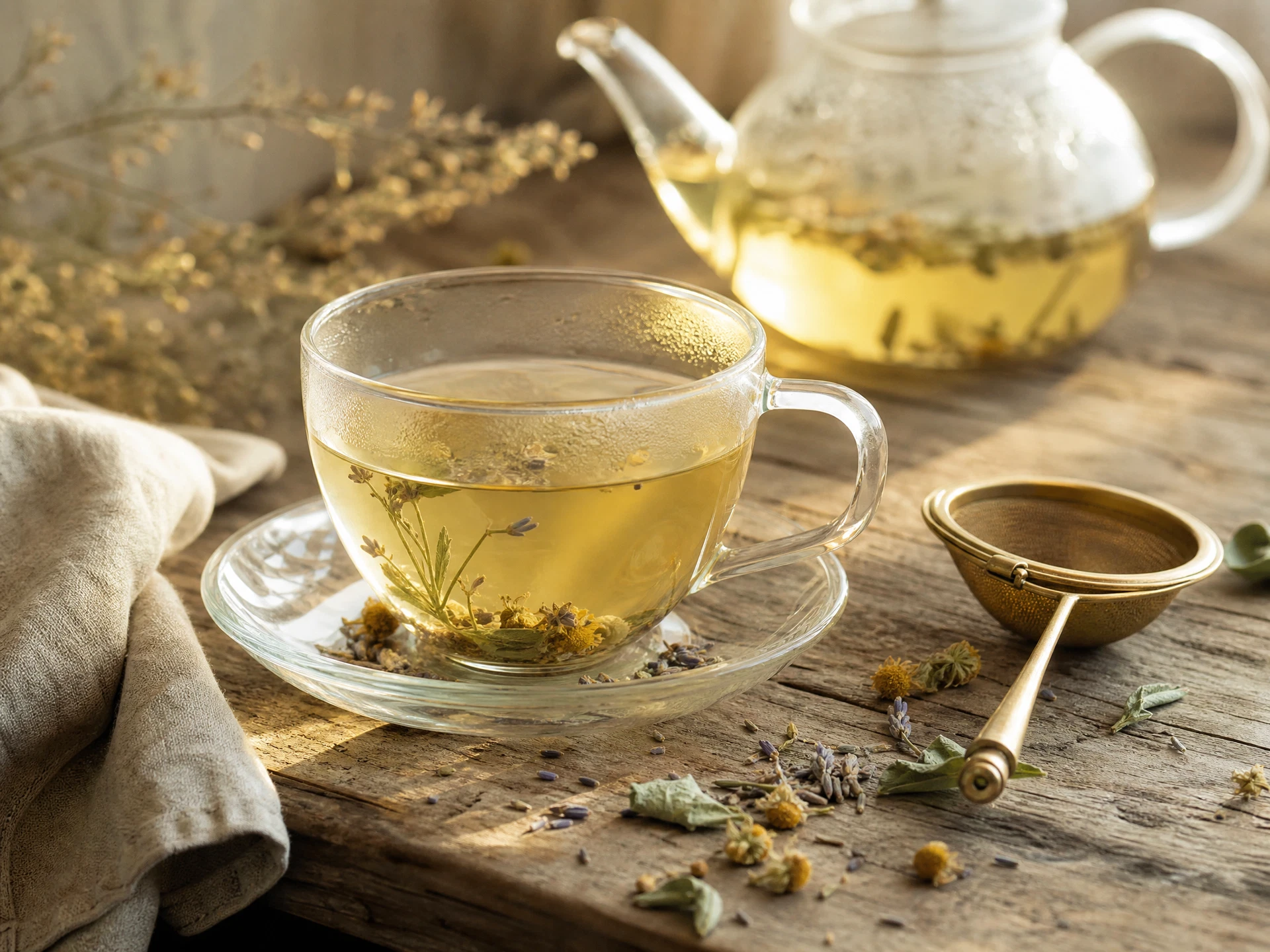
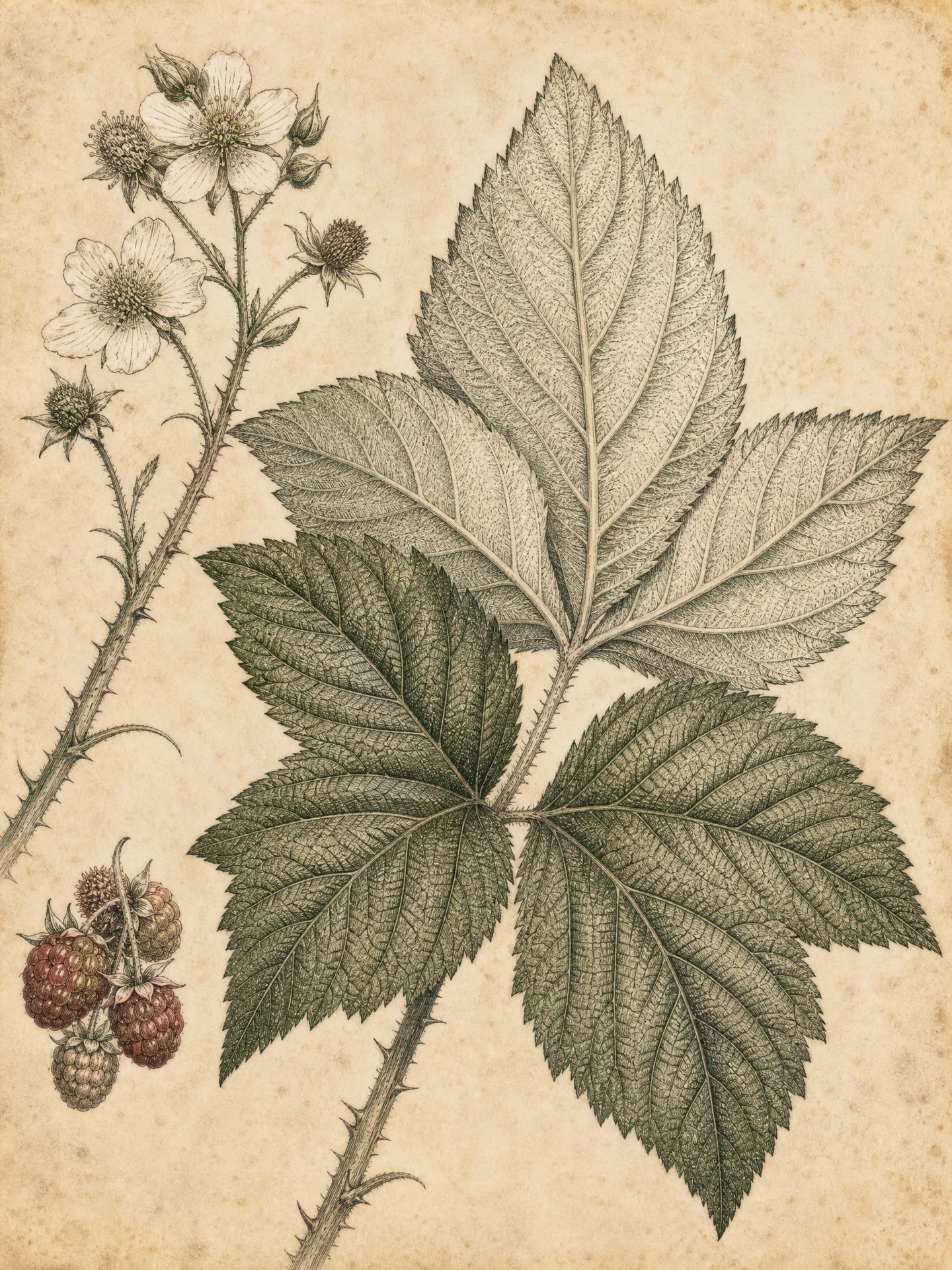
For generations, women have turned to the garden for natural remedies for PMS and menstrual discomfort. Red raspberry leaf has been valued for centuries as a tonic for the womb, traditionally used to tone the uterine muscle and ease the severity of cramps. It is the gentle, steady friend you invite over when the work feels too heavy.
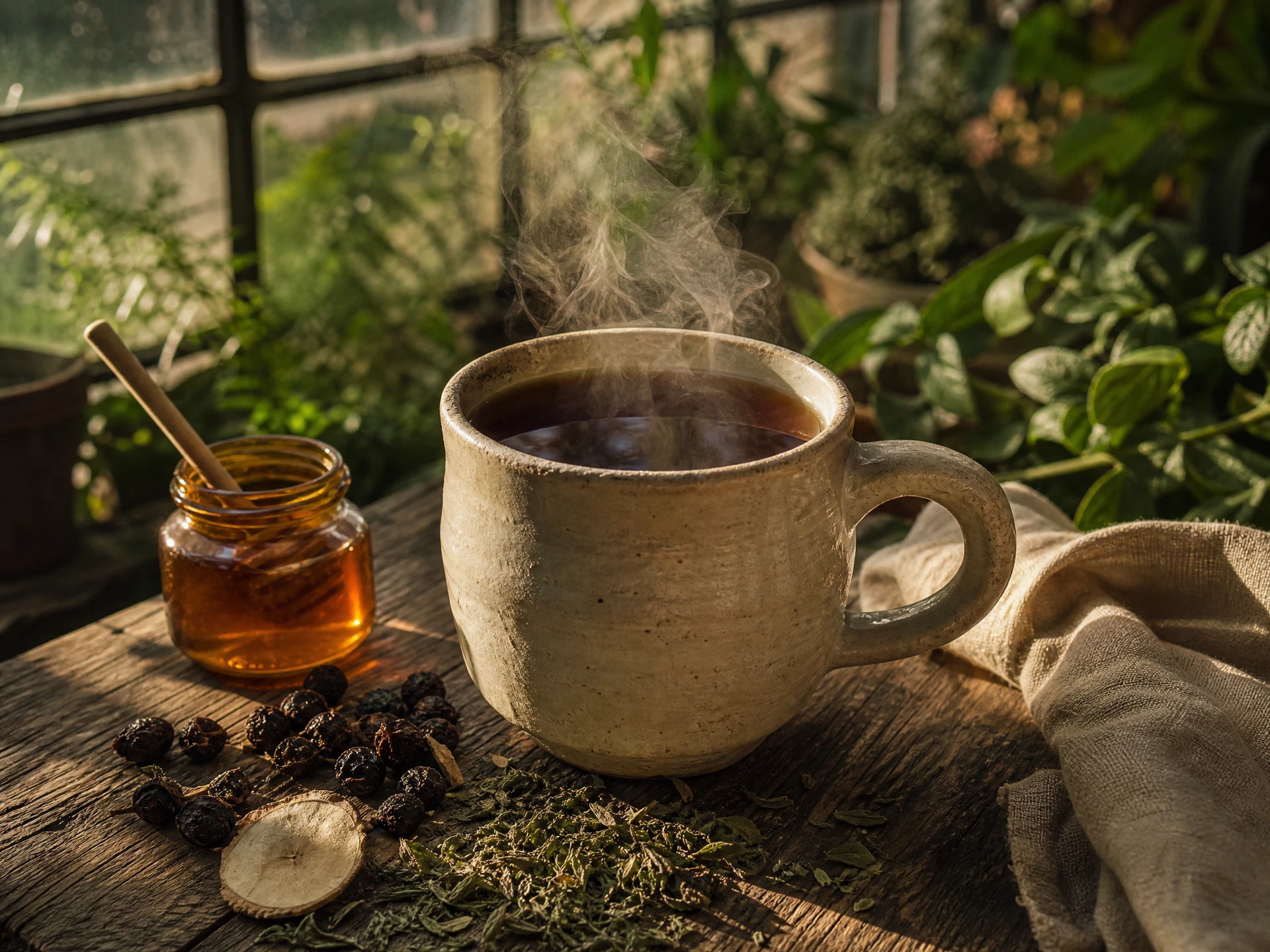
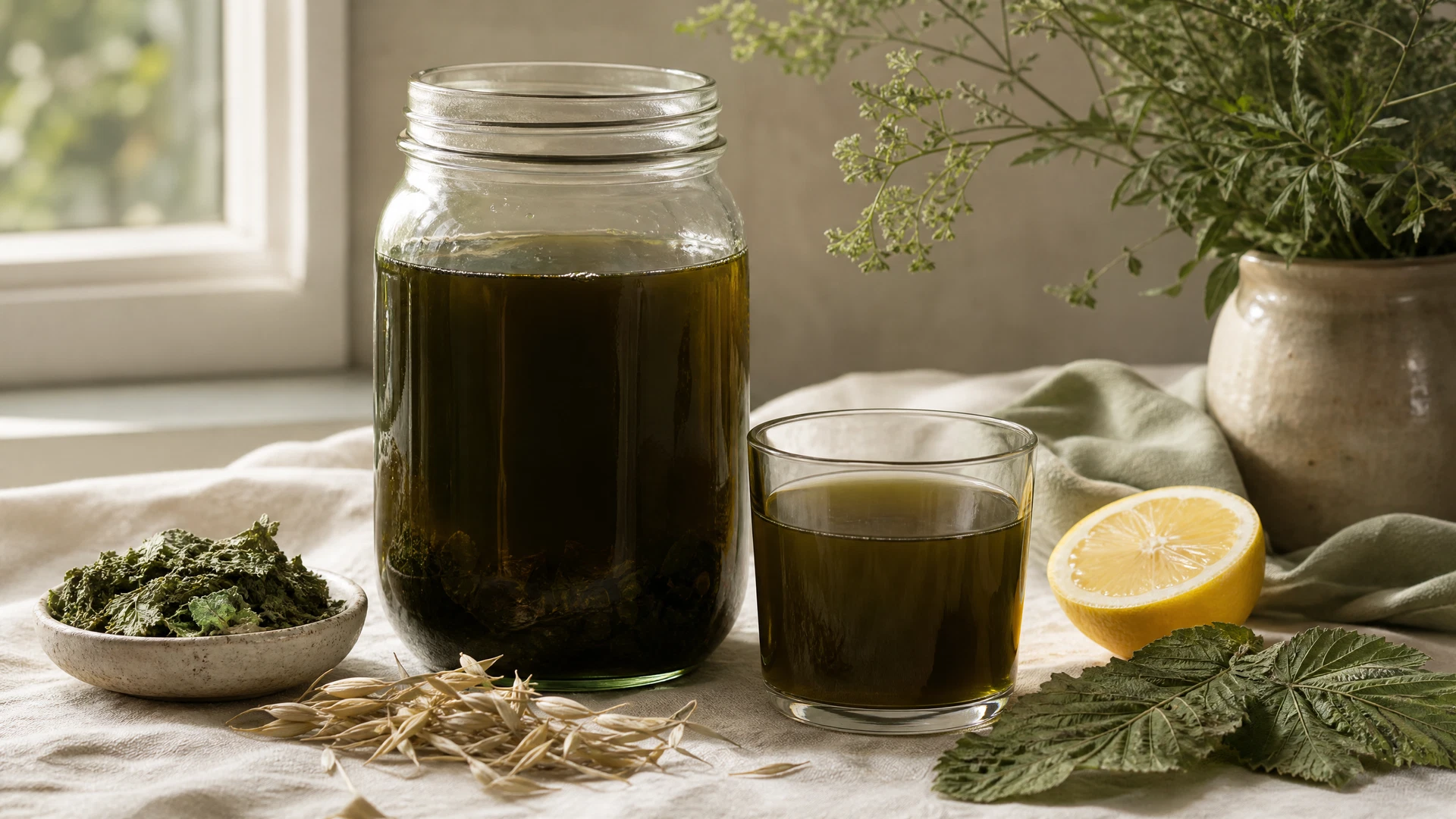
When the blood is heavy and the body feels hollowed out, the tradition points us toward nettle. A dark, earthy iron woman nettle infusion is what herbalists reach for to rebuild the reserves. It tastes like the deep woods, and it offers the kind of foundational nourishment that caffeine can never provide.
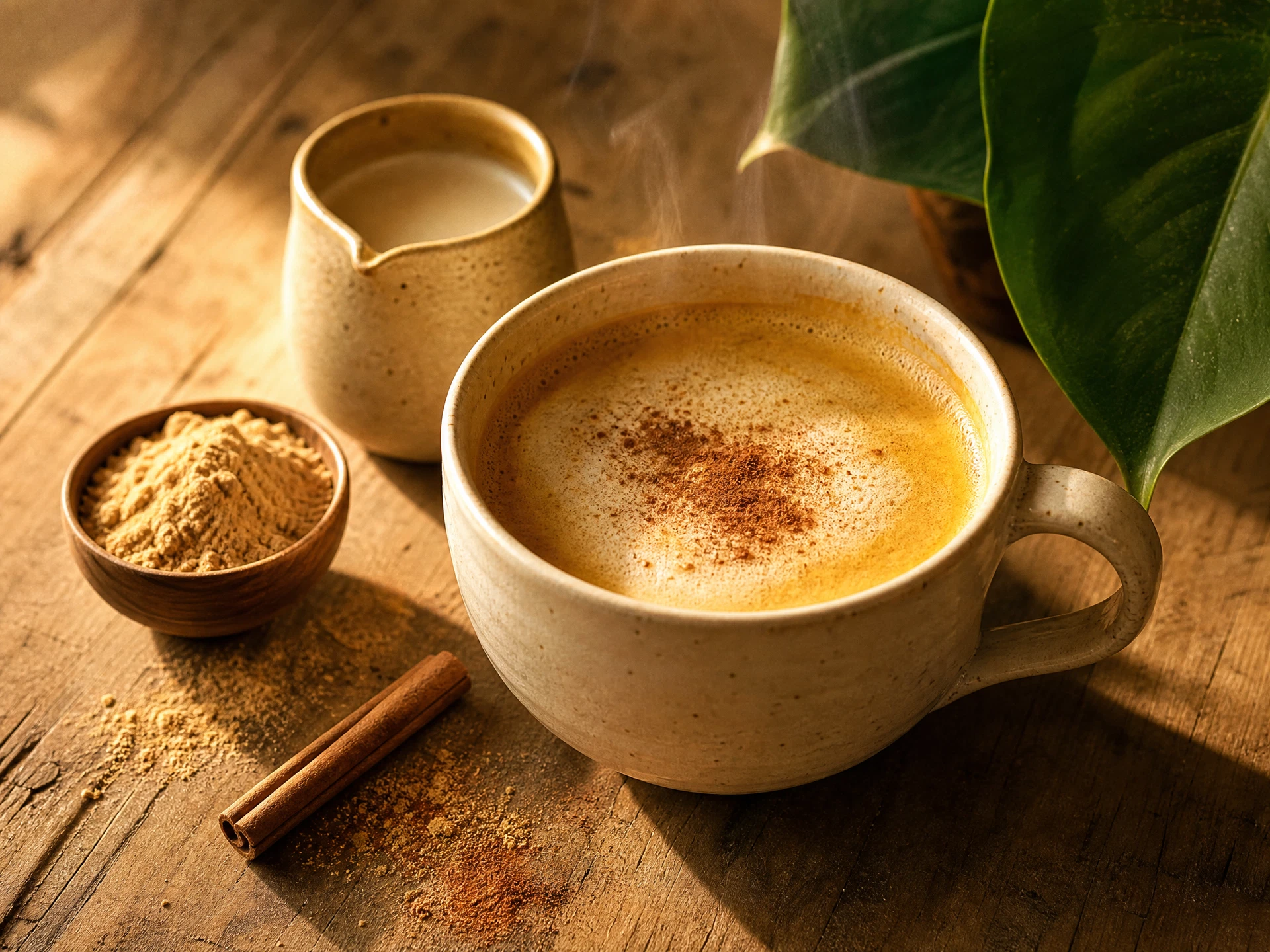
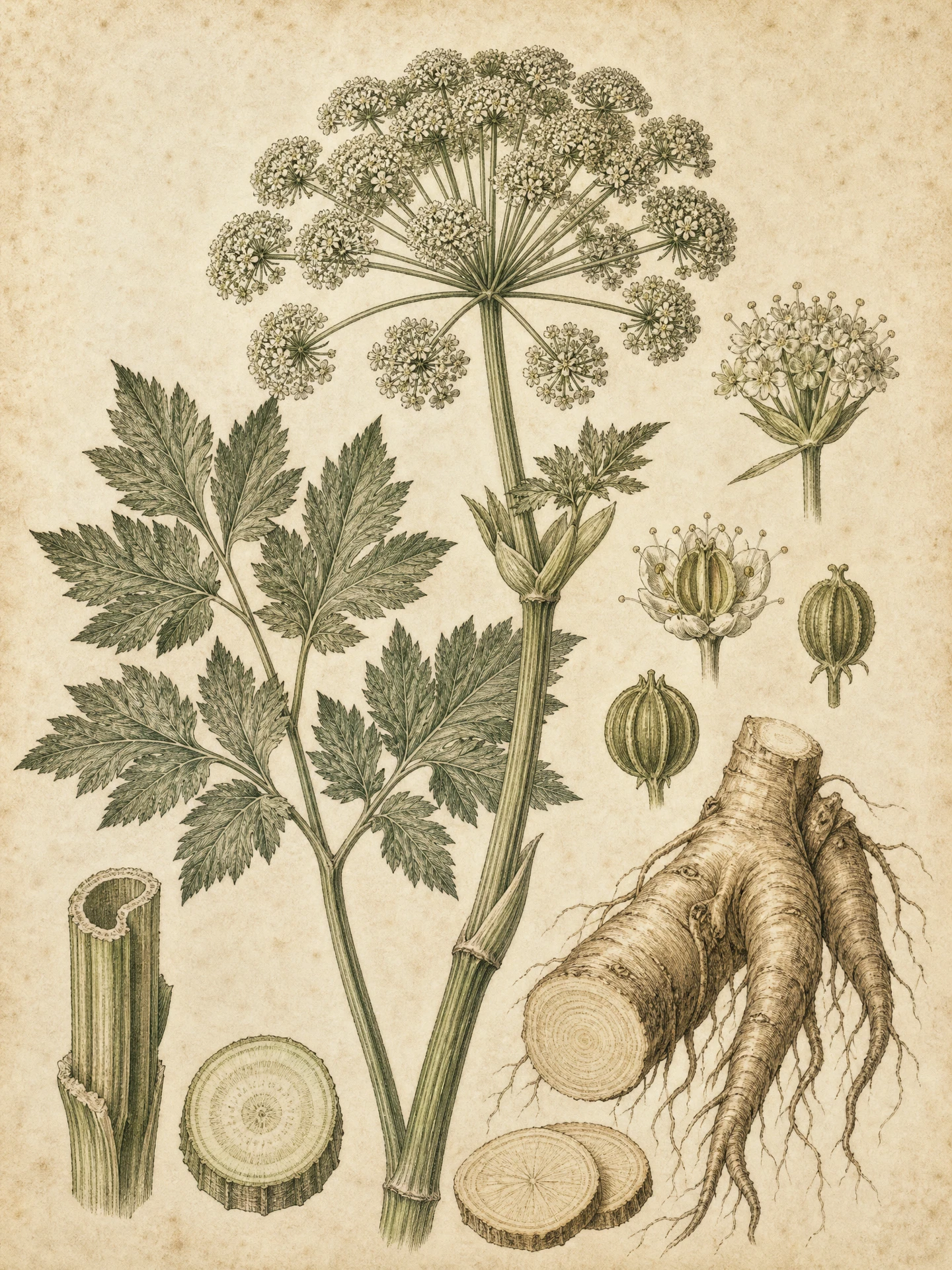
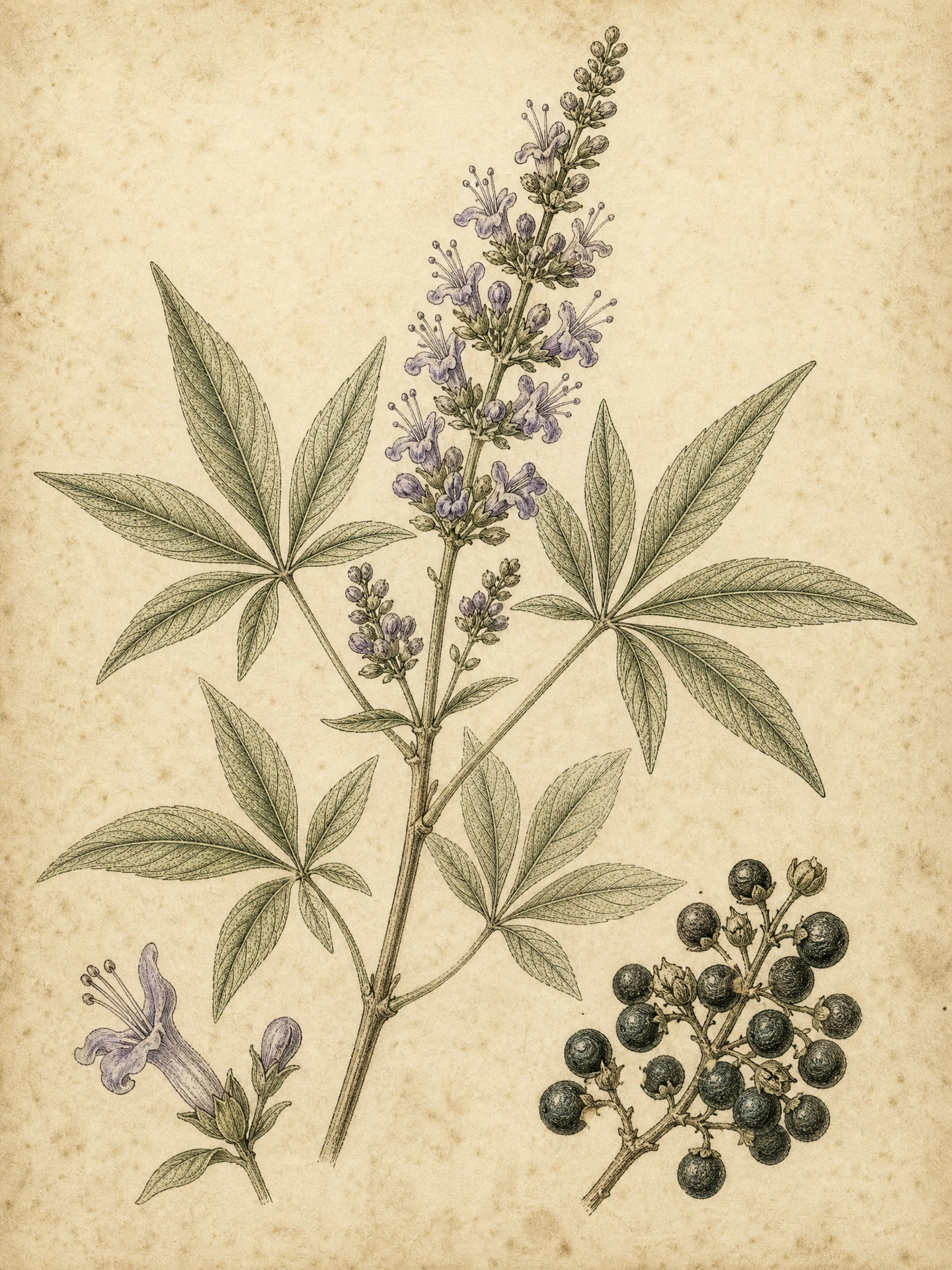
For the emotional turbulence of the luteal phase, when the world feels too loud and your skin feels too thin, vitex (chaste tree berry) has a long history of use. It is not a quick fix, but a slow, steadying hand, traditionally used to encourage the body's own hormonal rhythm. And for the physical tension, the deep, aching cramps that pull you toward the floor, warming herbs like ginger and cramp bark have been the traditional allies, bringing heat and circulation to a pelvis that feels tight and cold. Dong quai, often called the female ginseng, is another root herbalists have long reached for to support healthy blood flow and ease the stagnation that can make the late luteal phase feel so heavy.
The Rhythm of the Seed
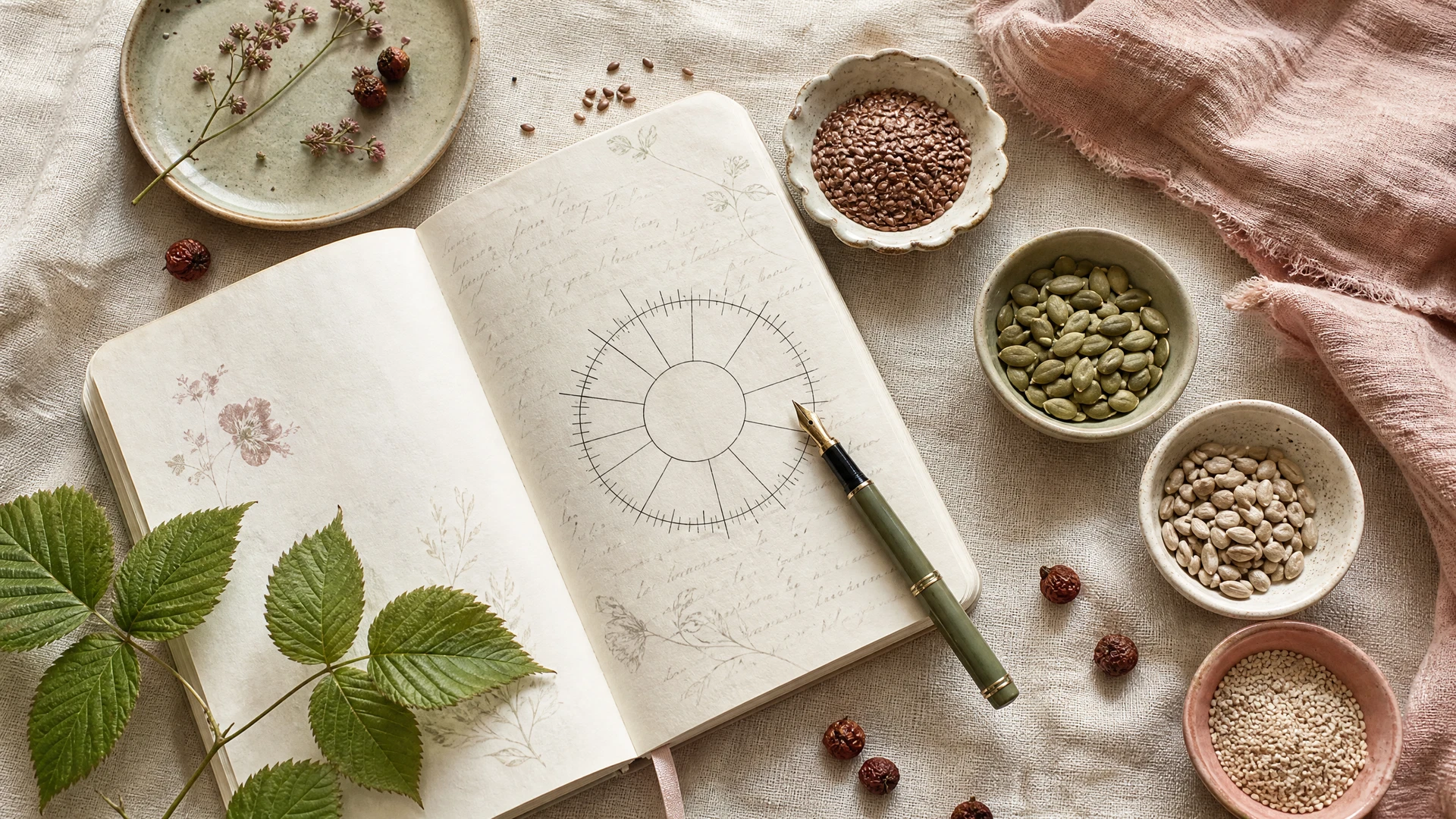
One of the most gentle, food-based traditions for cycle support is the practice of seed cycling for hormones. It is the simple act of eating specific seeds during the two main halves of your cycle to support the body's natural production and elimination of estrogen and progesterone. Pumpkin and flax seeds in the first half; sunflower and sesame seeds in the second. It is a daily ritual of remembering where you are in your month. A seed cycling smoothie tonic or a warm cup of evening primrose golden milk can become a quiet moment of communion with your own biology.
When to Seek the Healer
There is a profound difference between a body that is asking for nourishment and a body that is asking for intervention. Herbs for menstrual cramps can offer deep comfort, but they are not a substitute for medical care when the pain is blinding.
If you are losing days of your life to pain, if you are bleeding through your clothes, if your cycle is entirely unpredictable, or if the emotional shifts are terrifying, you must seek a real practitioner. Endometriosis, PCOS, fibroids, and adenomyosis are real, complex conditions. Women are routinely dismissed for years, told that their agony is normal. It is not normal. You deserve a clinician who will listen, who will run the labs, and who will look for the root cause. Herbs can walk alongside you in that journey, but they should not be the only tool in your bag.
Your cycle is the landscape you live in. You do not have to fight the weather. With a little attention, and the herbs your body already knows, you can learn to dress for the season. You can brew a moon cycle tonic when the dark days come, and you can step into the light when the spring returns. The earth already made the medicine. We just help you find it.
 teas
teas