guides
Your Cycle Is Not a Problem to Solve
Women are taught to treat menstruation as a malfunction to be managed. But your cycle is actually one of the few real-time readouts of overall health that a body offers for free.
For most of your life, you have likely been told a very specific story about your body. It is a story that frames your cycle as a monthly malfunction, an inconvenience to be managed, suppressed, or apologized for. You were taught to hide the evidence, to push through the fatigue, and to treat the natural rhythm of your hormones as a problem to solve. But your cycle is not a flaw in your design. It is one of the few real-time readouts of overall health that a body offers for free. It is a vital sign, as fundamental as your pulse or your breath, speaking to you in a language you were never taught to translate.
When we begin to listen, the narrative shifts. The symptoms we have been taught to silence—the sudden exhaustion, the shift in mood, the physical heaviness—are often just information. They are your body asking for something it needs, or telling you that something in your environment, your stress levels, or your nourishment is out of alignment. To reclaim this understanding is to step out of the cycle of suppression and into a practice of agency. We have been conditioned to view our bodies as machines that should operate with unwavering consistency, day in and day out. But you are not a machine. You are an ecosystem, deeply influenced by the ebb and flow of the hormones that govern your days.
The Post-Pill Reality
Many of us spent our most formative years with our natural rhythms quietly paused. The birth control pill has offered generations of women profound freedom, and there is no judgment here for the choices you make to navigate your life. But when you decide to step away from synthetic hormones, the transition can feel like waking up in a house you do not entirely recognize.
The post-pill reality is often messy. Your body is remembering how to communicate with itself, re-establishing the delicate feedback loop between your brain and your ovaries. This period of recalibration requires patience. You might experience irregular months, sudden breakouts, or emotional tides that feel entirely unfamiliar. This is not your body failing you; it is your body finding its way back to the surface. Understanding this transition is the first step in moving from a paradigm of control to one of collaboration. It is a time to be gentle with yourself, to observe without immediate judgment, and to trust that your body knows how to find its equilibrium, even if the path there is not perfectly linear.
The Four Phases as Information
To understand your cycle is to recognize that you are not meant to be the same woman every day of the month. You are cyclical, moving through four distinct phases, each with its own energetic signature, nutritional needs, and emotional landscape. When we stop expecting linear consistency from a cyclical body, we can begin to work with our nature rather than against it.
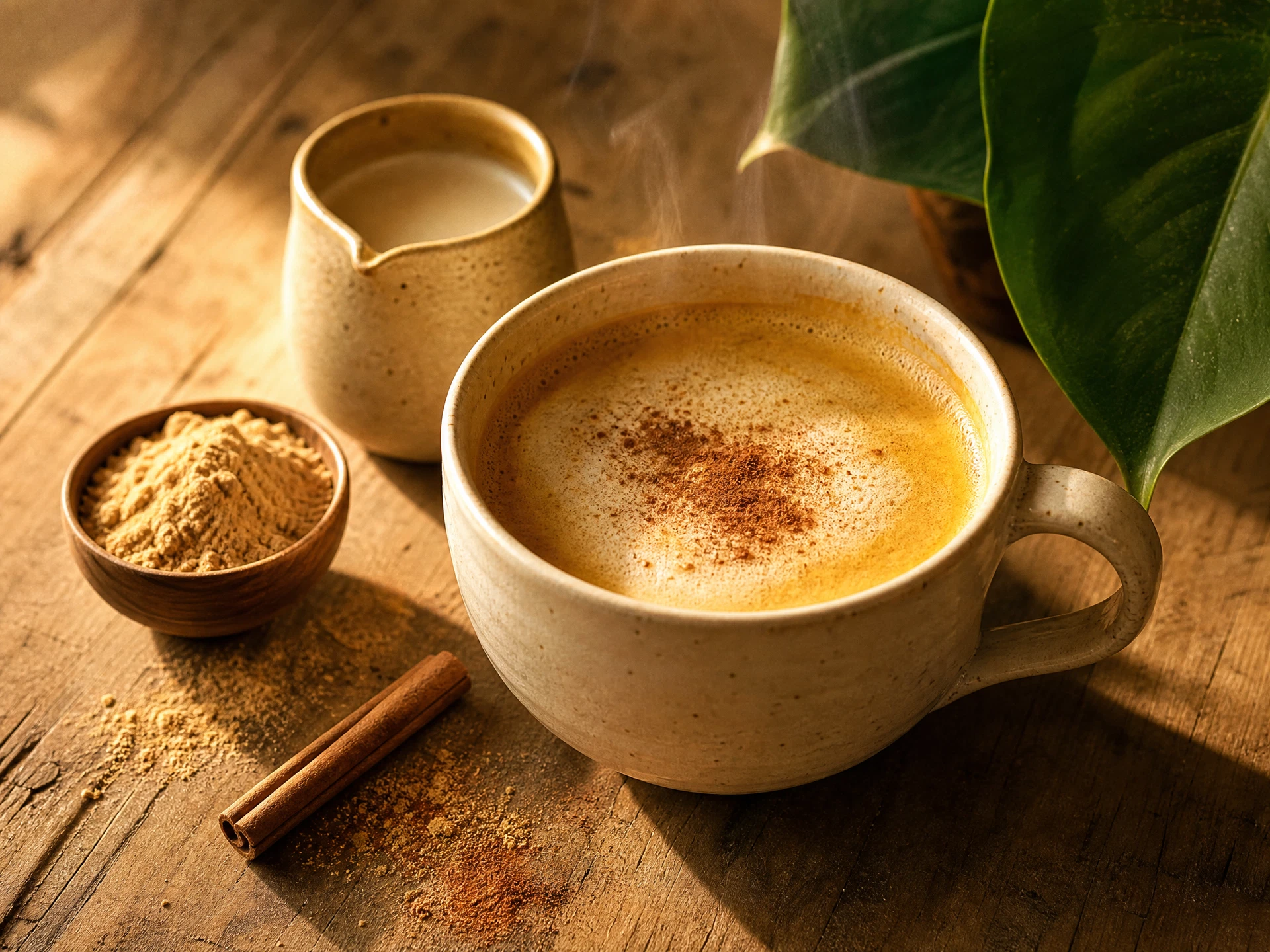
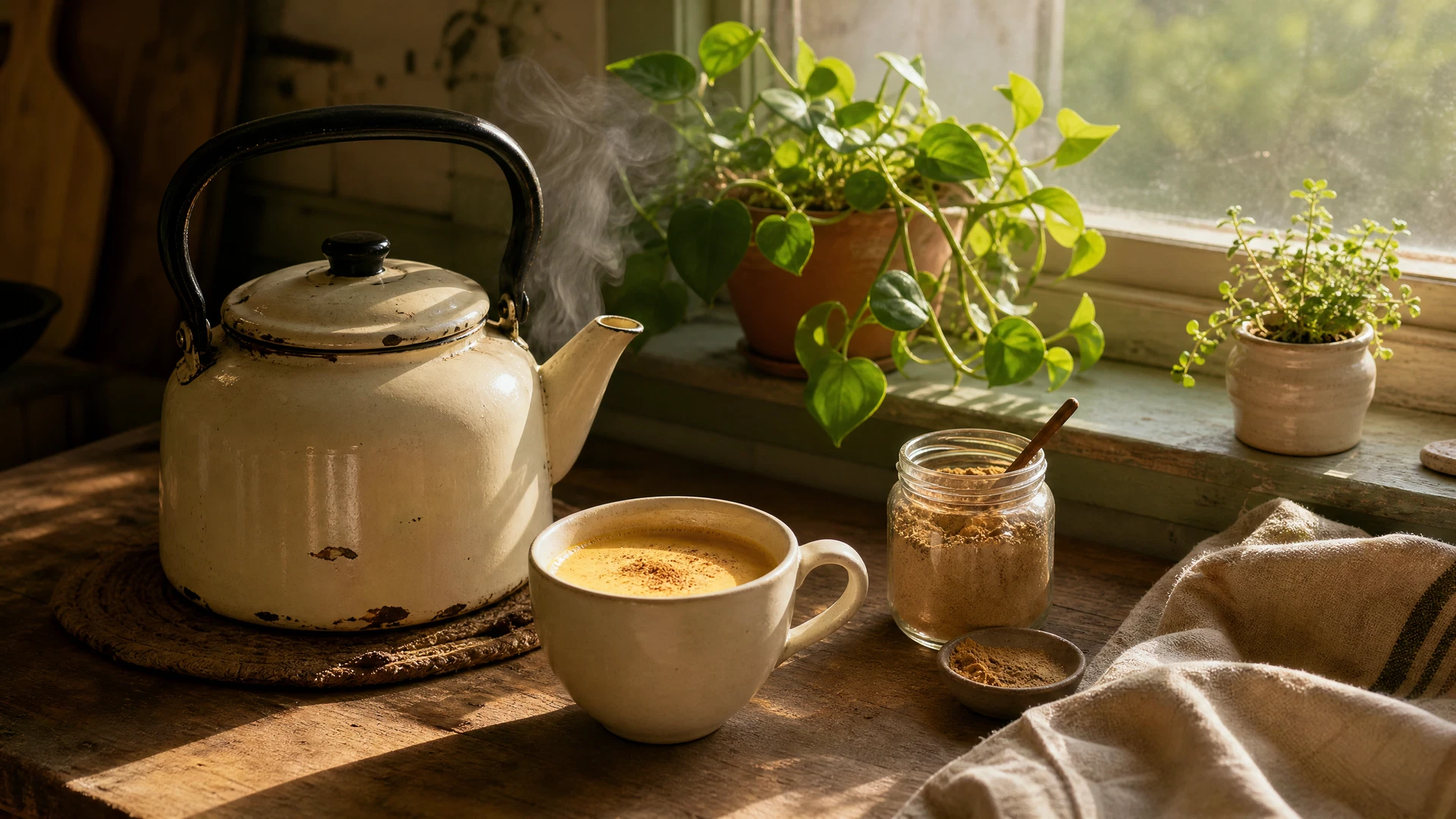
The menstrual phase is the winter of your month. It is the release, the shedding of what is no longer needed. In a culture that demands constant output, the sudden drop in hormones can feel like a crash. But this phase is an invitation to rest, to turn inward, and to replenish. The fatigue you feel is not a weakness; it is a biological directive to slow down. This is the time to nourish yourself with warmth, perhaps reaching for a comforting cup of evening primrose golden milk to soothe the body as it does its heavy lifting. It is a moment to let the soil rest before the next season of growth begins.
As the bleeding stops, you enter the follicular phase, your inner spring. Estrogen begins its steady climb, bringing with it a renewed sense of energy, clarity, and outward focus. This is the build. Your body is preparing to ovulate, and you may find yourself more resilient to stress, more eager to connect, and more capable of taking on new challenges. The information here is about expansion. It is a time to initiate, to create, and to lean into the natural buoyancy that rising estrogen provides. You might notice that tasks that felt insurmountable just a week ago now feel entirely manageable.
Then comes the ovulatory phase, the brief, vibrant summer. Estrogen peaks, and testosterone makes a brief appearance. You are biologically primed for connection and communication. This is the peak of your energetic month. But it is also a fleeting window, lasting only a few days. Paying attention to this phase helps you understand your own capacity for outward energy, allowing you to harness it when it is present and release the expectation of it when it passes. It is the moment when you are most magnetic, most articulate, and most outwardly focused.
Finally, you enter the luteal phase, the long autumn of your cycle. Progesterone takes the lead, a hormone that naturally slows you down, encouraging nesting and introspection. This is the descent. It is also the phase where the most profound misunderstandings occur. The sudden shift in mood, the desire to withdraw, the physical sensitivity—these are not character flaws. They are the natural consequences of a hormone designed to make you quiet and careful. When we resist this slowing down, we create friction. When we honor it, we find that the luteal phase offers a deep, intuitive clarity that the rest of the month lacks. It is the time when the veil is thinnest, when you are most acutely aware of what is not working in your life.
The Practice of Cycle Tracking
To move from suppression to understanding, you must first know where you are. Cycle tracking is more than just logging dates in an app; it is a practice of body literacy. It is the daily act of checking in with your physical and emotional state and mapping it against the rhythm of your hormones.
When you track your cycle, you begin to see the patterns. You notice that the sudden wave of anxiety always arrives on day twenty-two, or that your deepest sleep happens in the first week of your cycle. This knowledge is profoundly grounding. It transforms unpredictable moods and physical shifts into anticipated seasons. You are no longer caught off guard by your own body. Instead, you can anticipate your needs, adjusting your schedule, your nourishment, and your expectations to match the phase you are in. It is the difference between being tossed by the waves and learning how to read the tide.
Seed Cycling for Hormones: A Grounded Perspective
As you begin to explore ways to support your natural rhythm, you will likely encounter the practice of seed cycling for hormones. It is a method that involves eating specific seeds—flax and pumpkin in the first half of your cycle, sesame and sunflower in the second—to support the natural rise and fall of estrogen and progesterone.
We believe in being honest about the tools we use. Seed cycling is a folk practice. The clinical evidence supporting it is modest, and it is not a magic cure that will instantly resolve deep hormonal imbalances. But its real value lies in the ritual. Seed cycling requires you to pay attention to which half of your month you are in. It asks you to engage with your cycle every single day, to nourish yourself intentionally, and to honor the shift from the follicular to the luteal phase.
Whether you incorporate these seeds into your morning oatmeal or blend them into a seed cycling smoothie tonic, the practice is a daily reminder that your body is in motion, and that you are actively participating in its care. It is a small, tangible way to say to your body: I am paying attention. I am here with you.
Natural Remedies for PMS and Herbal Allies
When the luteal phase brings discomfort, the instinct is often to reach for a quick fix to silence the symptoms. But traditional herbalism offers a different approach. Natural remedies for PMS are not about suppressing the body's signals; they are about giving the body the raw materials it needs to find its own balance.
Herbalists have long reached for specific plants to support this delicate equilibrium. Vitex, or chaste tree berry, has been valued for generations for its ability to support the communication between the pituitary gland and the ovaries, encouraging a healthy luteal phase. It is a slow-acting, deeply nourishing herb that asks for patience, working over months rather than minutes. It is not a quick fix, but a steady companion in the work of recalibration.
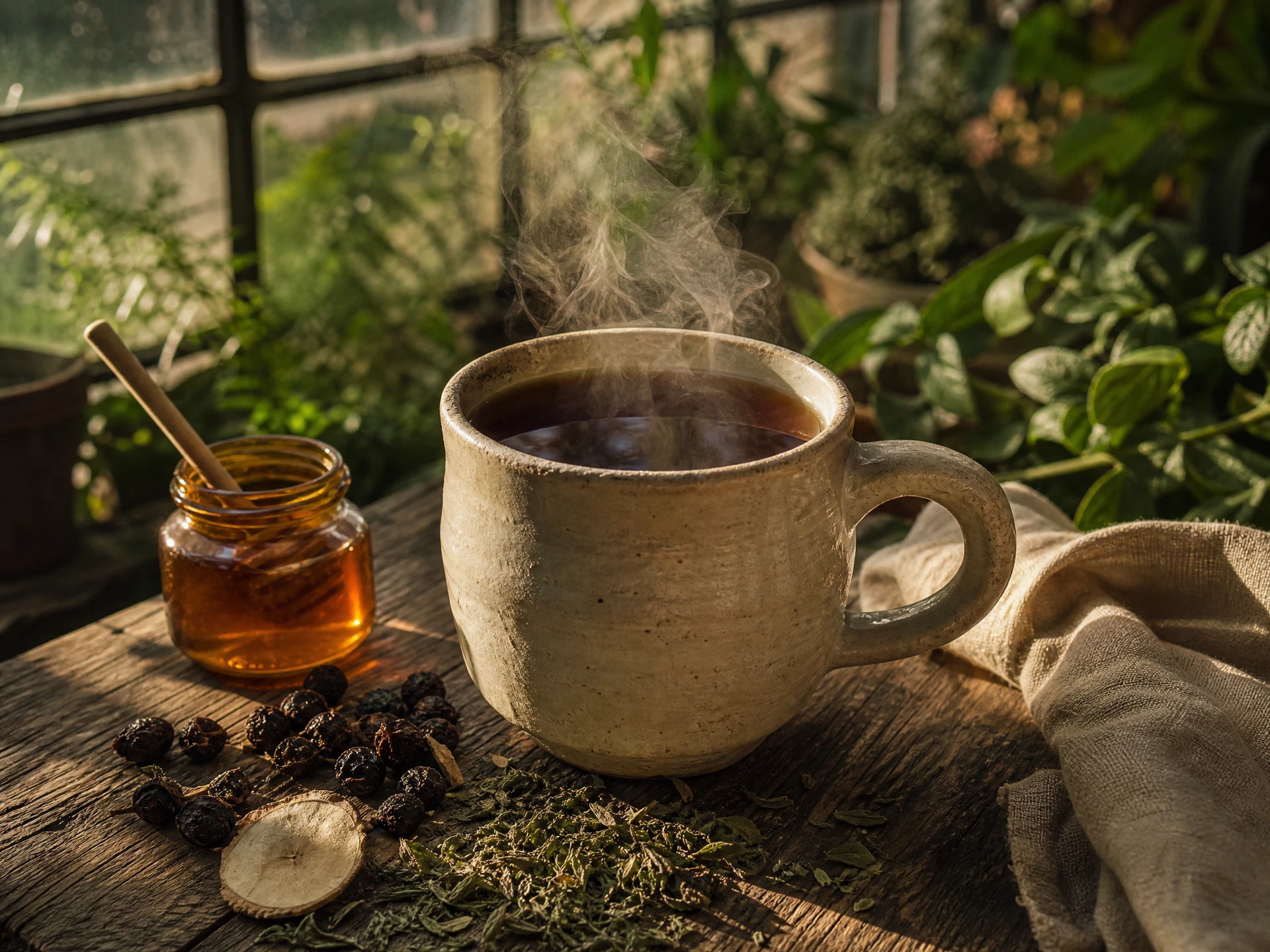
Similarly, red raspberry leaf is a foundational herb in women's wellness. Traditionally used to tone and nourish the tissues of the womb, it is a gentle, mineral-rich ally that can be sipped throughout the month to support the physical structure of your cycle. It is the kind of plant that feels like a quiet, steadying hand on your shoulder.
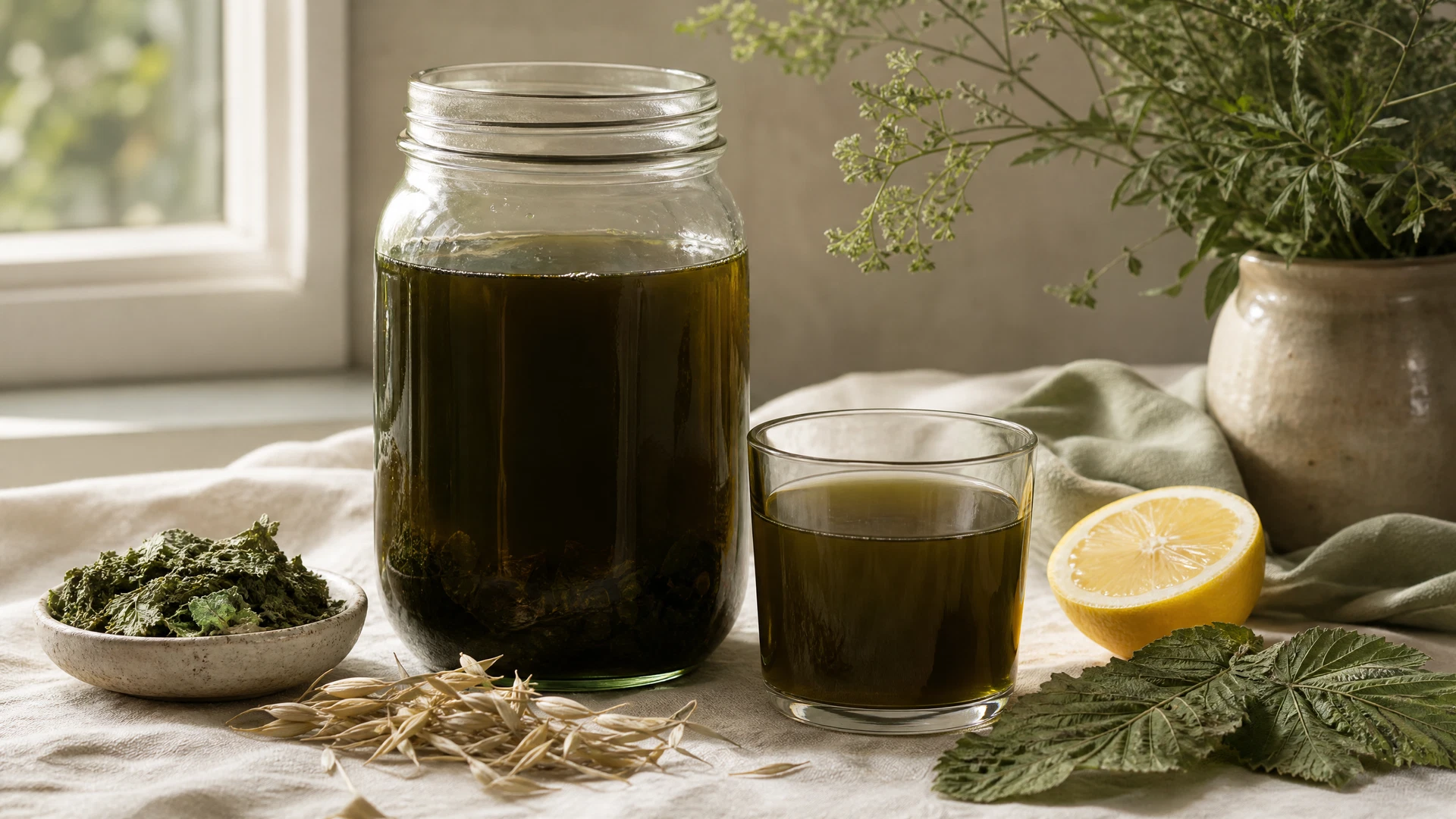
For the days when the heaviness feels acute, crafting a moon cycle tonic can offer both physical comfort and a moment of necessary stillness. These plants are not replacements for the rest your body is asking for; they are companions in the practice of slowing down. For a broader exploration of how to nourish your rhythm, you can explore our curated approach to cycle support.
The Limits of Herbalism and the Reality of Pain
While we believe deeply in the power of plants to support and nourish, we must also speak plainly about the limits of herbalism. There is a dangerous tendency in the wellness world to romanticize all physical discomfort as a natural part of womanhood, or to suggest that if you just drank the right tea or ate the right seeds, your pain would disappear.
This is not true, and it is not fair. Severe, debilitating pain is not something to endure, and it is not a normal part of a healthy cycle. Conditions like endometriosis and adenomyosis are real, complex medical realities. For too long, women with these conditions have been dismissed by the medical system, told that their agonizing pain is just a normal part of having a period.
If your cycle leaves you entirely incapacitated, if the pain is sharp, blinding, or unresponsive to gentle care, this is the point at which symptoms warrant real medical investigation. Herbs can be wonderful allies in managing the day-to-day realities of these conditions, but they are not a substitute for comprehensive medical care. Please, involve a clinician who listens to you, who takes your pain seriously, and who will work with you to find real relief. You do not have to suffer in the name of being natural. There is no virtue in enduring pain that steals your life from you.
Agency Over Suppression
The journey toward understanding your cycle is not about achieving a state of perfect, symptom-free hormonal bliss. It is about changing the relationship you have with your own body. It is about moving away from the belief that you are a problem to be solved, and toward the understanding that you are a complex, cyclical being worthy of care and attention.
When you stop fighting the natural rhythm of your hormones, you reclaim a profound sense of agency. You learn to read the subtle cues your body offers, to rest when you are tired, to create when you are inspired, and to nourish yourself through every phase of the month. Your cycle is not a malfunction. It is your body's most honest voice. The earth already made the medicine to support it. We just help you find it.
Keep reading with us
Pull up a chair.
Start with 7 Tonics Every Woman Should Know, then a letter each week.