Let's talk about the word metabolism. For decades, it has been weaponized against women, reduced to a measure of how quickly we can shrink ourselves. We have been sold teas that promise to burn fat, detoxes that promise to erase our meals, and a culture that equates our worth with our size. We will not participate in that. No herb burns fat. No tea is a detox. We are not here to help you shrink.
Instead, let us reclaim what metabolism actually means. It is the fire in your hearth. It is how well your body makes and uses energy. It is the warmth in your hands and feet, the steadiness of your blood sugar, the rhythm of your digestion, and the quiet hum of your thyroid. When your metabolism is supported, you are not smaller—you are more vibrant. You have the energy to move through your day without the desperate 4pm crash. You have the warmth to sustain yourself through the winter. You have the resilience to meet the demands of your life.
Herbalists have long understood that the body is an ecosystem, not a machine. When we look at metabolism, we look at the whole picture. We look at the herbs that bring warmth to a sluggish system, the bitter roots that wake up digestion, and the adaptogens that help the body respond to stress without depleting its reserves. We look at how you are nourished, how you rest, and how your body processes the world around it.
The Fire in the Hearth
Think of your digestion as a fire. If the wood is damp and the draft is poor, the fire smolders. You feel heavy, cold, and tired. Food sits in your stomach like a stone. In traditional practice, we use warming, aromatic herbs to stoke that fire. This is the wisdom behind a hormone-friendly-fire-cider, a traditional preparation that brings heat and circulation to the center of the body. It is not about speeding up a machine; it is about tending a hearth.
When the fire is burning brightly, your body can extract the nourishment it needs from your food. You feel satisfied. The ravenous hunger that sends you searching through the cupboards in the late afternoon begins to quiet. This is the foundation of steady energy. It is the difference between running on fumes and running on deep, sustained fuel.
The Rhythm of Blood Sugar
Much of what we experience as metabolic dysfunction is actually the exhaustion of the glucose spike-and-crash cycle. When we eat in a way that sends our blood sugar soaring, the body responds with a flood of insulin to bring it back down. But the drop is often steep, leaving us shaky, irritable, and craving quick energy. This cycle drives mood swings, exacerbates PMS, and leaves us feeling out of control. It is a rollercoaster that exhausts the adrenal glands and the nervous system.
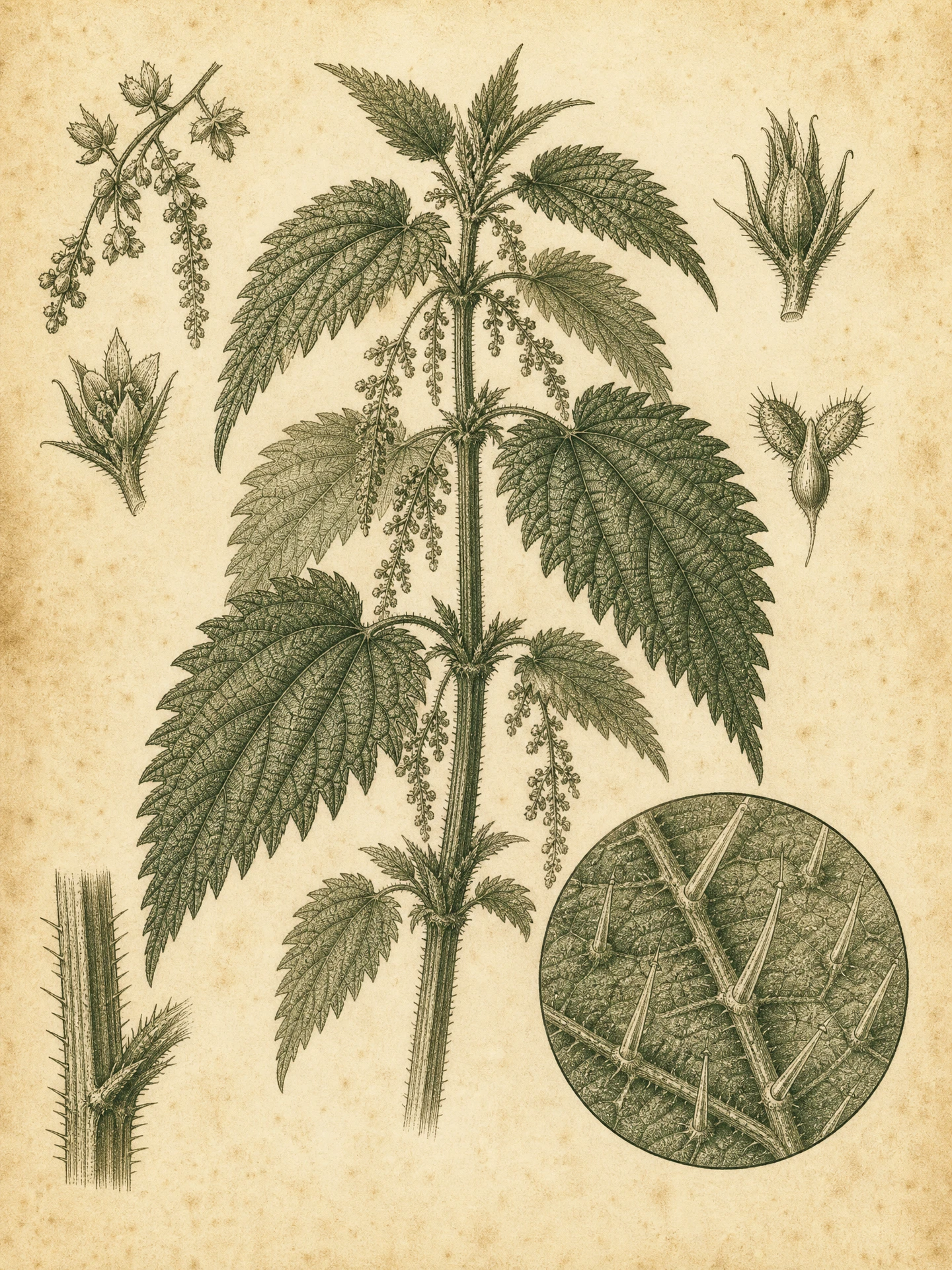
Herbal traditions offer profound support for this rhythm. Bitter herbs, taken before meals, have been used for centuries to prepare the digestive system and support a more measured response to food. A simple blood-sugar-balance-tea can be a daily ritual of grounding, a way to signal to your body that nourishment is coming and that it can be received calmly. We also look to deeply nourishing plants like nettle, which offers a wealth of minerals to support the body's foundational needs. When the body is truly nourished, it is less likely to panic.
The Shift of Perimenopause
We must also speak honestly about the changes that come with time. In perimenopause, the landscape of the body shifts. As estrogen levels fluctuate and decline, the way your body responds to insulin changes. You may find that the way you have always eaten suddenly leaves you feeling heavy or exhausted. This is real. It is a physiological shift, not a failure of willpower. Your body is learning a new language, and it needs you to listen.
During this transition, the body requires different support. We often reach for adaptogens—plants that have been valued for their ability to help the body navigate change. Maca has a long tradition of use in supporting energy and vitality during hormonal transitions, offering a grounded strength when everything else feels in flux. Ashwagandha is frequently called upon when the nervous system is frayed, helping to quiet the stress response that can further disrupt blood sugar and thyroid function. A warm hormone-reset-latte made with these roots can be a profound act of self-care when the body feels unfamiliar.
A Note on Complexity
Metabolism is deeply intertwined with our hormones, our stress levels, and our life stages. Conditions like PCOS and insulin resistance are complex metabolic states that require deep, compassionate care. They are not character flaws. They are signs that the body's communication systems are under strain. Women with PCOS often face a profound struggle with insulin resistance, which can make the body feel like a stranger.
While herbs can offer beautiful, grounding support, they are part of a larger conversation. If you are navigating PCOS, thyroid disease, or profound insulin resistance, we encourage you to involve a trusted practitioner. You deserve a care team that listens to you and looks at the whole picture. And a strong note of caution: if you are taking medication for diabetes or blood sugar management, you must consult your doctor before introducing herbs for blood sugar balance, as they can stack with your medication and cause your blood sugar to drop too low.
Waking the System
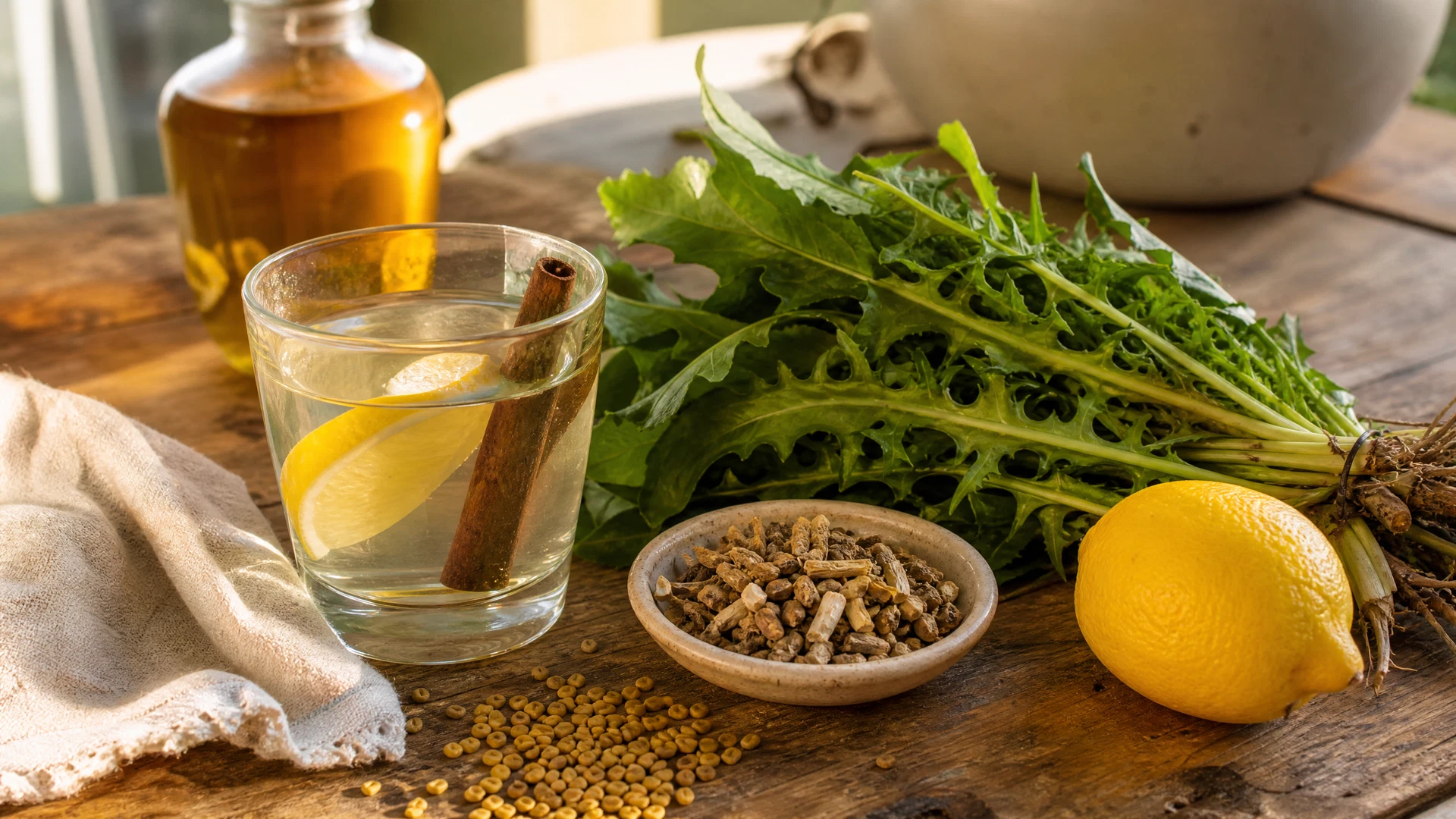
Supporting your metabolism is about waking the system up, gently and consistently. It is the metabolism-awakener you drink in the morning—not to punish yourself for what you ate yesterday, but to invite warmth and circulation into your body today. It is the choice to nourish rather than restrict. It is the decision to build a fire that will keep you warm all day long.
The earth already made the medicine. We just help you find it. And the medicine for metabolism is never about making you less. It is about giving you the energy to be fully, vibrantly yourself.
 tonics